

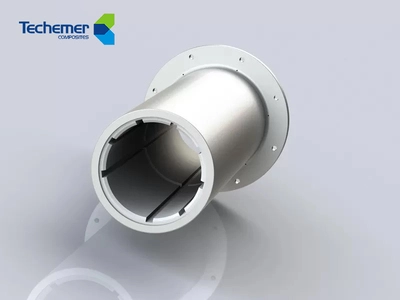
Modern industrial machinery requires bearing systems that can withstand demanding operating conditions while maintaining accuracy, stability, and long-term reliability. Vertical pumps, turbines, and other rotating equipment depend on properly designed bearings to support shafts, manage mechanical loads, and control unwanted movement. As industrial applications become more demanding, bearing designs continue to evolve to address higher loads, improved lubrication, reduced friction, and longer service intervals.
Modern Vertical Shaft Bearings are available in different configurations to meet specific mechanical and environmental requirements. Their performance depends on factors such as bearing geometry, material selection, lubrication method, load capacity, and installation accuracy. Understanding these design features helps engineers select suitable bearing arrangements and improve the reliability of industrial equipment.
The Importance of Bearing Design in Vertical Shaft Machinery
Bearing design determines how effectively a rotating shaft is supported during operation. In vertical machinery, bearings may need to accommodate axial thrust, radial forces, vibration, and changes in operating temperature.
A suitable bearing design helps maintain the shaft’s intended position and prevents excessive movement that could affect connected components.
Important design objectives include:
- Supporting expected axial and radial loads.
- Maintaining suitable shaft alignment.
- Reducing friction and unnecessary heat generation.
- Providing effective lubrication.
- Resisting wear and environmental exposure.
- Supporting reliable operation over extended periods.
- Allowing practical inspection and maintenance.
A bearing arrangement should be designed around the actual operating conditions rather than selected solely by size or load rating.
Common Modern Vertical Shaft Bearing Designs
Different bearing configurations are used depending on the type of machinery, loading conditions, rotational speed, and lubrication requirements.
1. Journal Bearing Designs
Journal bearings support rotating shafts through a sliding contact surface. They are commonly used in industrial machinery where radial support is required.
In suitable designs, a lubricant film develops between the shaft and bearing surface during operation. This film helps separate the moving surfaces and supports the applied radial load.
Modern journal bearing designs may incorporate:
- Improved bearing surface materials.
- Optimized clearances.
- Enhanced lubrication channels.
- Replaceable bearing liners.
- Materials selected for specific operating fluids.
Journal bearings are particularly useful in applications where shaft support and stable operation are important.
2. Thrust Bearing Designs
Thrust bearings are designed to support axial forces acting along the shaft’s rotational axis.
Vertical pumps and other vertical machines may generate axial thrust from the weight of rotating components and hydraulic forces.
Common thrust bearing configurations include:
- Thrust ball bearings.
- Thrust roller bearings.
- Angular contact bearing arrangements.
- Tilting pad thrust bearings.
Tilting pad designs are used in selected high-performance machines because their pads can adjust during operation to support the formation of a hydrodynamic lubricant film.
The appropriate configuration depends on the magnitude and direction of the axial load, operating speed, and lubrication arrangement.
3. Guide Bearing Designs
Guide bearings provide radial support and help maintain the shaft’s position during rotation.
In vertical shaft systems, guide bearings may be positioned at different locations along the shaft to control lateral movement and reduce deflection.
Modern guide bearing designs may use metallic, polymer, composite, or other specialized materials according to the application.
Their performance depends on correct positioning, suitable clearance, shaft condition, and lubrication.
4. Rolling-Element Bearing Designs
Rolling-element bearings use balls or rollers between raceways to reduce friction and support rotating components.
Common configurations include:
- Deep-groove ball bearings.
- Angular contact ball bearings.
- Cylindrical roller bearings.
- Spherical roller bearings.
These bearings can provide compact support and are available in configurations designed for different combinations of axial and radial loads.
Engineers must consider speed limits, load capacity, mounting arrangements, and lubrication when selecting a rolling-element design.
5. Self-Lubricating Bearing Designs
Self-lubricating bearings are designed to operate with reduced dependence on conventional external lubrication systems.
They may use engineered polymers, composites, graphite-based materials, or other specialized materials.
Potential advantages include:
- Reduced routine lubrication requirements.
- Lower friction in suitable operating conditions.
- Resistance to selected corrosive environments.
- Simplified maintenance arrangements.
However, self-lubricating designs still have limits involving load, speed, temperature, and material compatibility. Their suitability must be verified for the specific application.
Advanced Materials Used in Modern Bearing Designs
Material engineering plays a major role in improving bearing performance. Modern industrial bearings may use traditional metals or specialized materials selected for particular operating environments.
Bronze Alloys
Bronze is used in various sliding-bearing applications because of its strength, machinability, and wear characteristics.
Different bronze alloys offer different properties, making it important to match the material to the operating load, speed, and lubricant.
Engineering Polymers
Materials such as UHMWPE and PTFE-based compounds are used in selected bearing applications.
They can provide low-friction characteristics and resistance to many corrosive substances. However, engineers must account for temperature limits, creep, and load capacity.
Composite Materials
Composite bearings combine different materials to achieve specific performance characteristics.
Depending on their construction, they may offer improved wear resistance, reduced friction, and compatibility with particular lubrication environments.
Ceramic Materials
Advanced ceramics provide high hardness and wear resistance in suitable applications.
They may be considered where corrosion resistance or specialized operating characteristics are important. Their brittleness and sensitivity to impact must also be evaluated.
Modern Lubrication Features in Bearing Systems
Lubrication is essential for reducing friction and controlling operating temperature. Modern bearing arrangements may incorporate improved lubrication features to maintain suitable operating conditions.
Optimized Lubrication Channels
Lubrication passages can be designed to distribute lubricant more effectively across bearing surfaces.
Correct passage dimensions and positioning help provide the required supply to critical contact areas.
Circulating Oil Systems
Some industrial bearing arrangements use circulating oil systems that supply lubricant continuously.
Depending on the design, the system may include pumps, filters, reservoirs, and cooling equipment.
These components help maintain lubricant cleanliness and operating temperature.
Water-Lubricated Designs
Water-lubricated bearings are used in suitable vertical pump and water-handling applications.
They require materials compatible with the operating fluid and must account for water quality, suspended particles, and flow conditions.
Improved Lubrication Monitoring
Modern maintenance programs may use sensors and monitoring equipment to track lubricant condition, temperature, flow, or pressure.
This information can help maintenance teams identify lubrication problems before they result in serious bearing damage.
Design Features That Improve Industrial Reliability
Modern bearing systems incorporate several design considerations to support dependable operation.
Improved Load Distribution
Bearing geometry and support arrangements influence how forces are transferred through the system.
Proper load distribution helps reduce localized stress and excessive wear.
Better Thermal Management
Friction and mechanical loading generate heat during operation.
Suitable materials, clearances, and lubrication arrangements help maintain acceptable bearing temperatures.
Enhanced Contamination Protection
Seals, protective housings, and filtration systems help prevent dust, moisture, and abrasive particles from entering sensitive bearing areas.
This is particularly important in industrial environments involving water, chemicals, or airborne contaminants.
Replaceable Bearing Components
Some bearing designs use replaceable liners, sleeves, or other serviceable components.
This can simplify maintenance and reduce the need to replace larger assemblies when only a specific surface has deteriorated.
Application-Specific Clearances
Bearing clearance affects shaft movement, lubricant film formation, and operating temperature.
Modern designs account for material behavior, thermal expansion, shaft dimensions, and expected operating conditions when determining suitable clearances.
Factors to Consider When Selecting a Modern Bearing Design
Choosing a suitable bearing requires a complete evaluation of the machinery and its operating environment.
Axial and Radial Loads
Determine the expected forces acting on the shaft. The bearing arrangement must accommodate these loads within its specified limits.
Rotational Speed
Check the recommended operating speed and consider the effects of speed on friction, lubrication, and temperature.
Operating Environment
Consider exposure to moisture, chemicals, abrasive particles, and other environmental conditions.
Lubrication Availability
Evaluate whether the system requires oil, grease, water, or a specified self-lubricating design.
Material Compatibility
Confirm that the bearing material is compatible with the operating fluid, shaft surface, and expected temperatures.
Maintenance Accessibility
Consider how easily the bearing can be inspected, lubricated, adjusted, or replaced.
A technically suitable bearing should also be practical to maintain within the facility’s operating requirements.
The Role of Technology in Bearing Condition Monitoring
Modern bearing reliability increasingly depends on condition monitoring and maintenance data.
Instead of relying entirely on fixed replacement intervals, industrial facilities may use monitoring methods to assess actual equipment condition.
Vibration Analysis
Vibration measurements can help identify imbalance, misalignment, looseness, and developing bearing damage.
Comparing measurements over time helps reveal changes in equipment behavior.
Temperature Monitoring
Temperature sensors can detect unusual heat generation caused by friction, excessive loading, or lubrication problems.
Lubricant Condition Monitoring
Oil analysis and other lubricant inspection methods can reveal contamination, oxidation, and wear particles.
Predictive Maintenance
Condition monitoring data can support maintenance planning by helping teams identify developing problems and schedule inspections or repairs before major failures occur.
Techemer provides information about industrial bearing solutions that can help engineers evaluate bearing configurations for vertical pump applications.
Maintenance Practices for Modern Vertical Shaft Bearings
Even advanced bearing designs require appropriate maintenance to achieve their expected service life.
Recommended practices include:
- Inspect bearing surfaces: Look for scoring, cracks, corrosion, and uneven wear.
- Maintain lubrication: Use the specified lubricant and maintain suitable supply conditions.
- Verify shaft alignment: Check shaft position and bearing clearances according to manufacturer requirements.
- Monitor vibration: Investigate unusual changes in vibration levels.
- Check operating temperature: Compare readings with normal operating conditions and specified limits.
- Prevent contamination: Maintain seals, filters, and clean handling procedures.
- Review operating loads: Confirm that the machine operates within its intended performance range.
- Keep maintenance records: Document inspections, repairs, and operating measurements.
Following a consistent maintenance program helps preserve bearing performance and reduce unexpected equipment downtime.
Conclusion
Modern vertical shaft bearing designs support the reliability of industrial machinery through improved materials, specialized configurations, effective lubrication arrangements, and better condition monitoring.
Journal, thrust, guide, rolling-element, and self-lubricating bearings each serve different purposes. Selecting the appropriate design requires careful consideration of axial and radial loads, rotational speed, operating temperature, material compatibility, and maintenance requirements.
By combining suitable bearing technology with accurate installation and preventive maintenance, industrial facilities can reduce wear, improve operating stability, and extend equipment service life. A well-engineered bearing arrangement remains essential for dependable performance in demanding vertical shaft applications.
About Post Author



More Stories
Exploring Color, Texture, and Finish Options in KKR Solid Surface Materials
How KingKonree Supports Architects and Designers with Custom Bathroom Solutions
How Iron Castings Manufacturers Meet Custom Industrial Component Requirements