

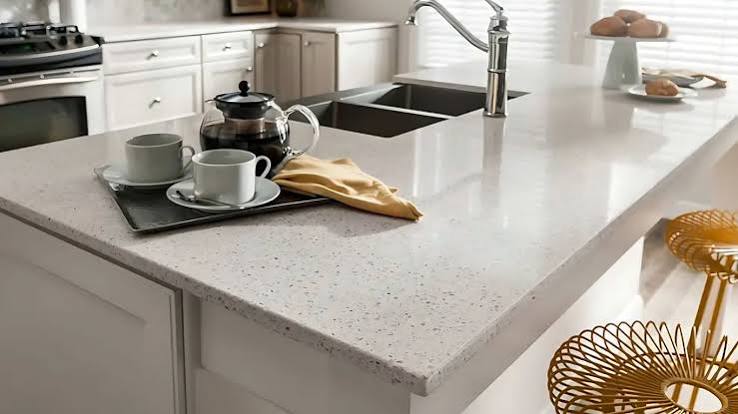
Choosing the right surface material involves more than evaluating strength and functionality. Color, texture, and finish play an important role in determining how an interior looks and feels. In modern residential and commercial projects, countertops, bathroom vanities, washbasins, reception desks, and decorative panels often serve as important visual elements. Their appearance can influence the atmosphere of a room and how well different design features work together.
Solid surface materials offer a range of aesthetic possibilities that allow architects, interior designers, and property owners to create coordinated spaces. Exploring the available options in KKR Solid Surface materials can help buyers understand how different colors, textures, and finishes contribute to interior design. The most suitable choice depends on the product range, intended application, lighting conditions, and maintenance requirements.
1. Understanding the Visual Characteristics of Solid Surface Materials
Solid surface materials are generally manufactured using mineral fillers, resin-based binders, pigments, and other formulation components. Their composition and production methods influence their appearance, texture, and finishing possibilities.
Unlike materials that are available only in naturally occurring patterns, solid surface products can offer more controlled color and design variations.
Color and Pattern
Pigments and other design elements can create different shades and visual patterns. Depending on the product range, buyers may find solid colors, subtle patterns, or decorative effects.
Texture and Surface Feel
Texture describes the tactile character of a surface. Some materials have a smooth appearance, while others may include more distinctive visual or physical textures.
Finish and Light Reflection
The finish determines how the surface interacts with light. Matte, satin, and polished appearances can create different visual effects even when the underlying color remains the same.
Understanding these characteristics helps buyers select materials that suit their design goals.
2. Popular Color Options for Modern Interiors
Color selection is one of the most noticeable decisions when planning an interior project. It affects the relationship between surfaces, furniture, lighting, and decorative accessories.
Solid surface materials may be available in different color families, depending on the manufacturer’s collection.
White and Off-White Shades
White is frequently used in contemporary bathrooms and kitchens because it creates a clean and bright appearance.
Off-white shades provide a slightly softer alternative and can complement warm-colored cabinetry, natural wood, and neutral wall finishes.
Gray and Charcoal Tones
Gray surfaces are commonly associated with modern and minimalist interiors.
Light gray can create a subtle background, while darker shades may provide contrast against lighter cabinets and walls.
Beige and Warm Neutral Colors
Beige and similar warm shades can create a comfortable atmosphere in residential bathrooms, hotel interiors, and hospitality spaces.
These colors often coordinate well with wood finishes, warm lighting, and natural-inspired decorative elements.
Bold and Distinctive Colors
Some projects require stronger colors to create visual interest.
Distinctive shades may be used for reception counters, retail displays, or feature vanity tops. Buyers should consider whether the chosen color will remain suitable as the surrounding interior changes.
3. The Role of Patterns in Surface Design
Patterns can add visual depth and help a surface become a more distinctive part of an interior.
Depending on the product collection, solid surface materials may feature different decorative effects.
Subtle Patterns
Light patterns can add character without making the surface visually dominant.
They are useful in spaces where designers want to maintain a balanced and understated appearance.
Speckled and Granular Effects
Some designs include small contrasting particles or mineral-like visual details.
These patterns can create texture and help coordinate surfaces with other interior materials.
Marble-Inspired Designs
Certain solid surface collections may offer patterns inspired by natural stone.
These designs can provide a decorative appearance while offering different fabrication and maintenance characteristics from natural marble.
Coordinating Patterns Across Large Areas
For projects involving multiple sheets, buyers should confirm how pattern and color consistency are managed across production batches.
Requesting samples before placing a bulk order can help prevent unexpected differences.
4. Exploring Matte Surface Finishes
Matte finishes are popular in contemporary interior design because they provide a subdued appearance with limited visible reflection.
They can work particularly well in spaces that emphasize simple shapes and understated materials.
Visual Characteristics
Matte surfaces create a softer appearance than highly polished finishes.
They can help maintain a balanced look when combined with reflective elements such as glass, metal fixtures, or polished flooring.
Suitable Applications
Matte finishes may be considered for bathroom vanity tops, kitchen countertops, reception counters, and selected decorative panels.
The appropriate choice depends on the product’s specifications and intended use.
Maintenance Considerations
Some matte surfaces may show certain marks, fingerprints, or residue differently from polished surfaces.
Buyers should review the recommended cleaning procedures and examine samples before selecting a finish for high-use areas.
5. Understanding Polished Surface Finishes
Polished finishes are often selected when designers want surfaces with a brighter and more reflective appearance.
Their interaction with lighting can make an interior feel more open and visually distinctive.
Reflecting Interior Lighting
Polished surfaces can reflect more light than matte alternatives.
This characteristic may be useful in spaces where designers want to create a brighter visual effect.
Supporting Contemporary Designs
A polished countertop or vanity top can complement modern cabinetry, metal fittings, and decorative lighting.
It may also create contrast when paired with textured wall finishes.
Cleaning and Care
Polished finishes should be cleaned using suitable non-abrasive tools and approved cleaning products.
Harsh chemicals and abrasive pads may alter the appearance of certain products.
6. Satin Finishes for a Balanced Appearance
Satin finishes provide an appearance between matte and highly polished surfaces.
They offer a moderate level of light reflection and can work in different interior styles.
Subtle Visual Appeal
Satin surfaces create a gentle sheen without the stronger reflections associated with highly polished finishes.
This can make them suitable for interiors that combine contemporary and traditional design elements.
Coordinating with Other Materials
A satin solid surface may complement brushed metal fixtures, natural wood, glass, and neutral-colored cabinetry.
Practical Selection
Before choosing a satin finish, buyers should request samples to examine the texture, reflection, and appearance under the project’s lighting conditions.
7. How Texture Influences Interior Design
Texture contributes to the overall sensory experience of an interior.
Even when two surfaces have similar colors, differences in texture can make them appear quite distinct.
Smooth Textures
Smooth finishes are often used in contemporary kitchens and bathrooms because they create a clean and streamlined appearance.
They can also support straightforward routine cleaning.
Subtle Textured Effects
Some surface designs incorporate visual texture to create depth and variation.
These options may be useful for decorative applications where designers want more character.
Combining Different Textures
Combining solid surface materials with wood, stone, glass, or metal can create a more balanced interior.
For example, a smooth vanity top can contrast with textured wall tiles or natural wood cabinetry.
8. Choosing Colors and Finishes for Bathroom Vanities
Bathroom vanities are important visual and functional features.
Their colors and finishes should complement the bathroom layout while meeting practical maintenance requirements.
White Vanities
White solid surface vanity tops can create a bright appearance and coordinate with many bathroom styles.
They are often used in minimalist and contemporary spaces.
Gray and Neutral Vanities
Gray and beige surfaces can provide a softer appearance and work well with natural-inspired bathroom designs.
Contrasting Basin and Countertop Designs
Some bathroom concepts use contrasting colors between the basin, countertop, cabinetry, and wall finishes.
The final combination should be reviewed through samples to ensure that the colors work together.
Finish Selection
Matte, satin, and polished finishes create different visual effects.
The choice should consider lighting, cleaning routines, water marks, and the desired appearance.
9. Selecting Solid Surface Colors for Kitchen Countertops
Kitchen countertops are frequently visible and heavily used, making both appearance and practical performance important.
Color and finish selection should complement the kitchen’s cabinets, backsplash, flooring, and appliances.
Light-Colored Countertops
White and light neutral shades can help create a bright kitchen environment.
They can work with both dark and light cabinetry.
Dark Countertop Designs
Charcoal and other darker shades may create a strong contrast against light cabinets.
However, buyers should examine samples to understand how dust, fingerprints, and water marks appear on the selected finish.
Patterned Countertops
Decorative patterns can add visual interest to large countertop areas.
The pattern should complement other design elements rather than compete with them.
Practical Considerations
Kitchen surfaces encounter food spills, heat, utensils, and cleaning products.
The selected product should meet the required technical specifications, and suitable protective practices should be followed.
10. Color and Finish Choices for Hotel and Commercial Interiors
Hotels, offices, restaurants, and retail spaces often use surface materials to support a consistent brand identity.
Color and finish selection can help create a recognizable appearance across different areas.
Hotel Reception Desks
A reception counter may use a distinctive color or finish to create a focal point.
Customized dimensions and coordinated decorative details can strengthen the overall design concept.
Commercial Bathroom Vanities
Neutral colors and coordinated finishes can create a consistent appearance across multiple washrooms.
Buyers should also consider how easily the selected surface can be cleaned and maintained.
Restaurant and Retail Counters
Commercial counters may use contrasting colors or decorative patterns to complement interior branding.
Material suitability should be verified according to the expected use and cleaning requirements.
Office Interiors
Reception areas, meeting rooms, and shared spaces often benefit from coordinated materials.
A consistent color palette can help connect different interior zones.
11. Using Lighting to Evaluate Surface Appearance
Lighting can significantly change how a solid surface color or finish appears.
A material that looks attractive in a showroom may appear different when installed in a room with different lighting conditions.
Natural Lighting
Daylight changes throughout the day and can influence how colors are perceived.
Reviewing samples near windows can help designers understand these variations.
Warm Artificial Lighting
Warm lighting may make beige, cream, and other warm-colored surfaces appear richer.
It can also influence the appearance of neutral shades.
Cool Artificial Lighting
Cool lighting may make white and gray surfaces appear sharper or slightly different from their showroom appearance.
Sample Testing
Before placing a large order, examine material samples under lighting similar to the final installation environment.
This is particularly important for projects involving multiple surfaces or coordinated color schemes.
12. Combining Solid Surface Materials with Other Interior Finishes
A successful interior design often depends on how different materials work together.
Solid surface products can be coordinated with a variety of finishes to create contrast, balance, or visual continuity.
Wood and Solid Surface
Natural wood introduces warmth and visible grain patterns.
Combining wood cabinetry with smooth solid surface countertops can create a balanced contemporary appearance.
Metal and Solid Surface
Chrome, brushed steel, and other metal finishes can complement solid surface vanity tops and reception counters.
The combination may be used to create a clean and modern interior style.
Glass and Solid Surface
Glass partitions, mirrors, and decorative panels can work alongside solid surface materials.
Reflective glass elements may create a visual contrast with matte or satin finishes.
Natural Stone and Solid Surface
Different surface materials can be used together to define separate interior areas.
Designers should coordinate colors and textures carefully to avoid an inconsistent appearance.
13. Customization Options in Modern Solid Surface Design
Customization allows buyers to adapt surface materials to specific architectural and aesthetic requirements.
Depending on the product range and manufacturing capabilities, customization may involve more than selecting a standard color.
Customized Dimensions
Countertops and vanity tops can be planned according to available space and installation requirements.
Special Shapes and Edges
Certain solid surface materials can be fabricated into curved forms or customized edge profiles.
The feasibility depends on the material formulation, thickness, and fabrication method.
Coordinated Components
Some projects require countertops, basins, and decorative elements to share similar colors or finishes.
Coordinated manufacturing and sample approval can help maintain visual consistency.
Project-Specific Design Planning
Buyers should provide clear drawings, measurements, and finish requirements before production.
This helps manufacturers and fabricators understand the intended appearance and technical details.
14. Practical Factors to Consider When Choosing a Finish
Appearance is important, but buyers should also evaluate how a surface will perform in its intended environment.
A finish that works well in a decorative reception area may not be the most suitable option for a frequently used kitchen countertop.
Consider the following factors:
- Cleaning requirements: Review the recommended cleaning products and tools.
- Daily use: Consider how frequently the surface will be touched or exposed to spills.
- Lighting conditions: Examine samples under natural and artificial lighting.
- Color coordination: Compare the surface with cabinetry, flooring, walls, and fixtures.
- Surface appearance: Determine whether a matte, satin, or polished finish suits the design.
- Material specifications: Check relevant information about stain resistance, heat tolerance, and durability.
- Fabrication requirements: Confirm whether the selected design is available in the required dimensions and shapes.
- Batch consistency: Discuss color and pattern variations before ordering multiple sheets.
These considerations can help prevent design mismatches and unexpected maintenance challenges.
15. Future Directions in Solid Surface Color and Finish Design
Interior design preferences continue to change as new architectural styles and manufacturing technologies develop.
Several trends may influence future solid surface collections.
More Personalized Color Choices
Designers and property owners increasingly seek colors that reflect individual preferences and project identities.
This may encourage wider customization options.
Natural-Inspired Patterns
Patterns influenced by stone, mineral formations, and other natural materials may remain relevant in contemporary interiors.
Balanced Matte and Satin Finishes
Subdued surface appearances can complement minimalist design concepts and create contrast with reflective fixtures.
Digital Design and Production
Digital visualization and precision manufacturing can support more accurate planning of customized surface components.
These tools may also help buyers evaluate color combinations and dimensions before production begins.
Greater Attention to Material Information
Buyers may increasingly expect detailed information about product composition, maintenance, technical performance, and environmental characteristics.
Clear documentation can help support better purchasing decisions.
Conclusion
Color, texture, and finish are important elements when selecting solid surface materials for modern interiors. Different shades can influence the atmosphere of a room, while surface textures and finishes help establish its visual character. From matte bathroom vanity tops to polished reception counters and patterned kitchen surfaces, these options allow designers to create interiors that reflect different architectural styles.
However, aesthetic selection should always be balanced with practical considerations such as cleaning requirements, durability, lighting conditions, fabrication possibilities, and product specifications. By examining samples and confirming technical details before purchasing, buyers can select solid surface materials that support both attractive design and everyday functionality.
About Post Author


More Stories
How KingKonree Supports Architects and Designers with Custom Bathroom Solutions
How Iron Castings Manufacturers Meet Custom Industrial Component Requirements
TCCA for Cooling Tower Water: Understanding Chemical Treatment and Microbial Control Requirements