

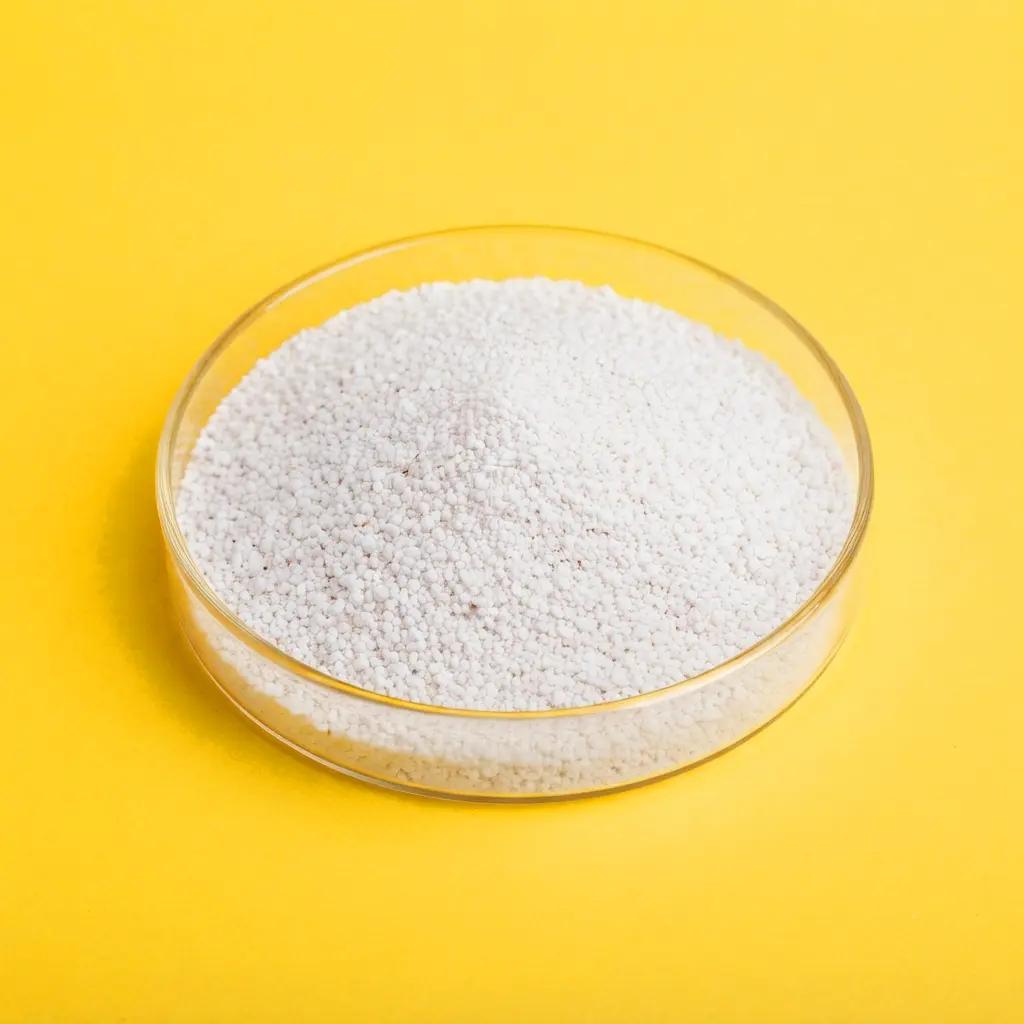
Cooling towers play an important role in industrial and commercial facilities by removing excess heat from circulating water. However, warm temperatures, continuous water circulation, and exposure to airborne contaminants can create conditions that support microbial growth. Without an effective water-management program, biological contamination, algae, and deposits can affect system efficiency, increase maintenance requirements, and create potential health concerns.
Chemical treatment is an important part of cooling tower maintenance. Trichloroisocyanuric acid (TCCA) is a chlorine-based oxidizing disinfectant that may be considered for selected water-treatment applications when permitted by the system design and applicable regulations. When evaluating TCCA for Cooling Tower applications, operators should assess available chlorine, water chemistry, treatment compatibility, and residual-control requirements. The correct approach depends on the cooling system’s operating conditions and overall water-management strategy.
Understanding TCCA and Its Chemical Properties
TCCA, or trichloroisocyanuric acid, is an organic chlorine compound commonly used as a disinfectant and oxidizing agent. It releases active chlorine when it reacts with water, providing the oxidizing action that can help control susceptible microorganisms.
Commercial TCCA products are often specified at approximately 90% available chlorine, although the exact specification should be confirmed through the manufacturer’s technical documentation and certificate of analysis.
Its concentrated chlorine content makes TCCA relevant to certain water-treatment discussions. However, product concentration alone does not determine treatment effectiveness. Water pH, temperature, organic contamination, contact time, and chlorine demand all influence performance.
Why Microbial Control Matters in Cooling Towers
Cooling towers continuously circulate water through equipment exposed to heat and the surrounding environment. These conditions can support the development of bacteria, algae, and biofilms if treatment and maintenance are inadequate.
Bacterial Growth and Biofilm Formation
Biofilms are layers of microorganisms and organic material that attach to wetted surfaces. They can develop inside pipes, heat exchangers, cooling tower basins, and other system components.
Biofilm accumulation may reduce heat-transfer efficiency, restrict water flow, and make microbial control more difficult. A suitable water-management program should therefore combine monitoring, cleaning, and properly selected treatment methods.
Algae and Organic Contamination
Sunlight, nutrients, and favorable temperatures can encourage algae growth in some cooling tower environments. Organic matter and accumulated debris may also increase chlorine demand and interfere with disinfection.
Routine basin cleaning, filtration where appropriate, and control of nutrient sources can help reduce these problems.
Public Health Considerations
Some cooling tower microorganisms can create serious public-health risks. Legionella is an important example because contaminated water systems can generate aerosols that may expose people nearby.
Cooling tower operators should follow applicable Legionella risk-management requirements, maintain documented water-management plans, and use validated control measures. Chemical treatment is only one component of a broader prevention strategy.
How TCCA May Contribute to Cooling Tower Treatment
TCCA releases active chlorine that can oxidize and damage essential components of susceptible microorganisms. In a suitable and authorized treatment program, chlorine-based chemistry may help manage microbial contamination in circulating water.
Its suitability depends on system-specific factors, including the cooling tower’s materials, water chemistry, operating conditions, and discharge requirements.
Oxidizing Action
Active chlorine reacts with microorganisms and certain organic substances. This oxidizing activity can support microbial control when the treatment conditions provide adequate exposure.
However, chlorine demand can increase when water contains significant organic matter, suspended solids, or other reactive substances. Operators should monitor actual treatment conditions rather than assume that a product’s nominal available chlorine content guarantees a particular result.
Treatment Compatibility
Cooling tower systems may contain different metals, coatings, seals, plastics, and other materials. Chlorine-based oxidizers can affect some materials, particularly when concentrations or exposure conditions are unsuitable.
Before selecting TCCA, operators should review equipment-manufacturer guidance and assess compatibility with the complete treatment program.
Residual Monitoring
Maintaining an appropriate disinfectant residual is an important part of many cooling water treatment strategies. The required monitoring method and control limits depend on the treatment design, applicable regulations, and professional water-management guidance.
Operators should use suitable testing equipment and maintain records of treatment conditions, results, and corrective actions.
Important Water Chemistry Factors
Cooling tower water chemistry changes during operation because of evaporation, makeup water additions, contamination, and chemical treatment. These changes can influence both disinfectant performance and equipment condition.
pH Level
Water pH affects chlorine chemistry and the proportion of active disinfecting species. Changes in pH can therefore influence the behavior of chlorine-based treatments.
Operators should monitor pH regularly and manage it within the limits established for the cooling system and its treatment program.
Organic Load and Chlorine Demand
Organic matter, biofilm residues, and other contaminants can consume active chlorine. High chlorine demand may reduce the residual available for microbial control.
Mechanical cleaning and removal of accumulated debris can help reduce unnecessary chemical demand.
Water Temperature
Cooling tower water temperatures vary with operating load, weather, and equipment performance. Temperature can influence microbial growth and chemical reaction rates, making seasonal monitoring important.
Conductivity and Cycles of Concentration
Evaporation causes dissolved minerals to become concentrated in circulating water. Conductivity is commonly monitored as an indicator of dissolved-solids concentration and cycles of concentration.
Although conductivity does not directly measure microbial contamination, it helps operators manage water chemistry, blowdown, and scaling risks.
Integrating TCCA into a Cooling Tower Water Management Program
Chemical disinfection should not be treated as a standalone solution. A reliable cooling tower program combines chemical control with mechanical maintenance, water-quality monitoring, and documented operating procedures.
Important elements include:
- Regular inspection and cleaning of cooling tower basins.
- Monitoring of pH, conductivity, temperature, and relevant disinfectant residuals.
- Evaluation of biofilm, scale, corrosion, and sediment accumulation.
- Maintenance of appropriate filtration and water-circulation systems.
- Review of makeup water quality and blowdown practices.
- Documented microbial-risk assessment and corrective-action procedures.
- Compliance with applicable Legionella prevention and environmental requirements.
The treatment program should be designed or reviewed by qualified water-treatment professionals who understand the system and its operating risks.
Storage and Handling Requirements for TCCA
TCCA is a strong oxidizer and requires careful storage and handling. Protecting the product from moisture, contamination, and excessive heat helps maintain product quality and reduce the risk of dangerous reactions.
Keep the Product Dry
Store TCCA in its original, tightly closed packaging in a cool, dry, well-ventilated location. Protect containers from rain, standing water, and high humidity.
Separate Incompatible Chemicals
Keep TCCA away from acids, ammonia, reducing agents, oils, grease, combustible materials, and other incompatible substances. Never mix it with other pool chemicals, cleaning agents, or disinfectants. Such combinations can cause dangerous reactions and may release hazardous gases.
Follow Workplace Safety Procedures
Personnel should consult the product’s safety data sheet before handling TCCA. Suitable chemical-resistant gloves, eye protection, and protective clothing should be selected according to the workplace risk assessment.
Avoid breathing dust and prevent direct contact with skin and eyes. Keep containers clearly labeled and ensure that emergency procedures are accessible to relevant workers.
Environmental and Discharge Considerations
Cooling tower blowdown and cleaning wastewater may contain treatment chemicals, dissolved minerals, suspended solids, and other contaminants. Discharging this water without appropriate assessment can create environmental risks.
Before using a chlorine-based treatment, operators should understand applicable discharge limits and any requirements for residual-chlorine control or neutralization. Wastewater management should follow local environmental regulations and the treatment system’s approved procedures.
TCCA should not be selected solely on the basis of its disinfection properties. Its suitability must also be evaluated in relation to downstream treatment, discharge conditions, and environmental responsibilities.
How to Evaluate TCCA Product Quality
Industrial buyers should review product specifications and supplier documentation before purchasing TCCA for a permitted cooling water application.
Available Chlorine Content
Available chlorine is a major quality parameter. Buyers should confirm the stated specification and request a certificate of analysis that corresponds to the supplied batch.
Product Formulation
TCCA is available in different physical forms, including powder, granules, and tablets. Each form has different handling and dissolution characteristics. The appropriate choice depends on the approved application and the system’s chemical-feed arrangements.
Technical and Safety Documentation
A reliable supplier should provide a technical data sheet, safety data sheet, and certificate of analysis. These documents help buyers assess product characteristics, storage conditions, hazards, and application limitations.
Packaging and Supply Consistency
Packaging should protect the product from moisture and contamination during storage and transportation. Buyers should also consider batch traceability, manufacturing consistency, and the supplier’s ability to provide dependable technical support.
Conclusion
TCCA is a chlorine-based oxidizing disinfectant that may have a role in selected cooling tower water-treatment programs when its use is appropriate and permitted. Its potential contribution to microbial control depends on water chemistry, chlorine demand, system compatibility, and careful residual monitoring.
Effective cooling tower management requires more than chemical addition. Regular cleaning, water-quality monitoring, biofilm management, equipment maintenance, and compliance with public-health and environmental requirements are all essential. By evaluating product specifications and working with qualified water-treatment professionals, operators can make informed decisions about chemical treatment and maintain a more reliable cooling tower management program.
About Post Author



More Stories
How Iron Castings Manufacturers Meet Custom Industrial Component Requirements
Why the Linear Range Matters in p-tau 181 Assay Validation and Quantitative Analysis
How to Evaluate the Production Capabilities of a Thermal Printer Manufacturer