

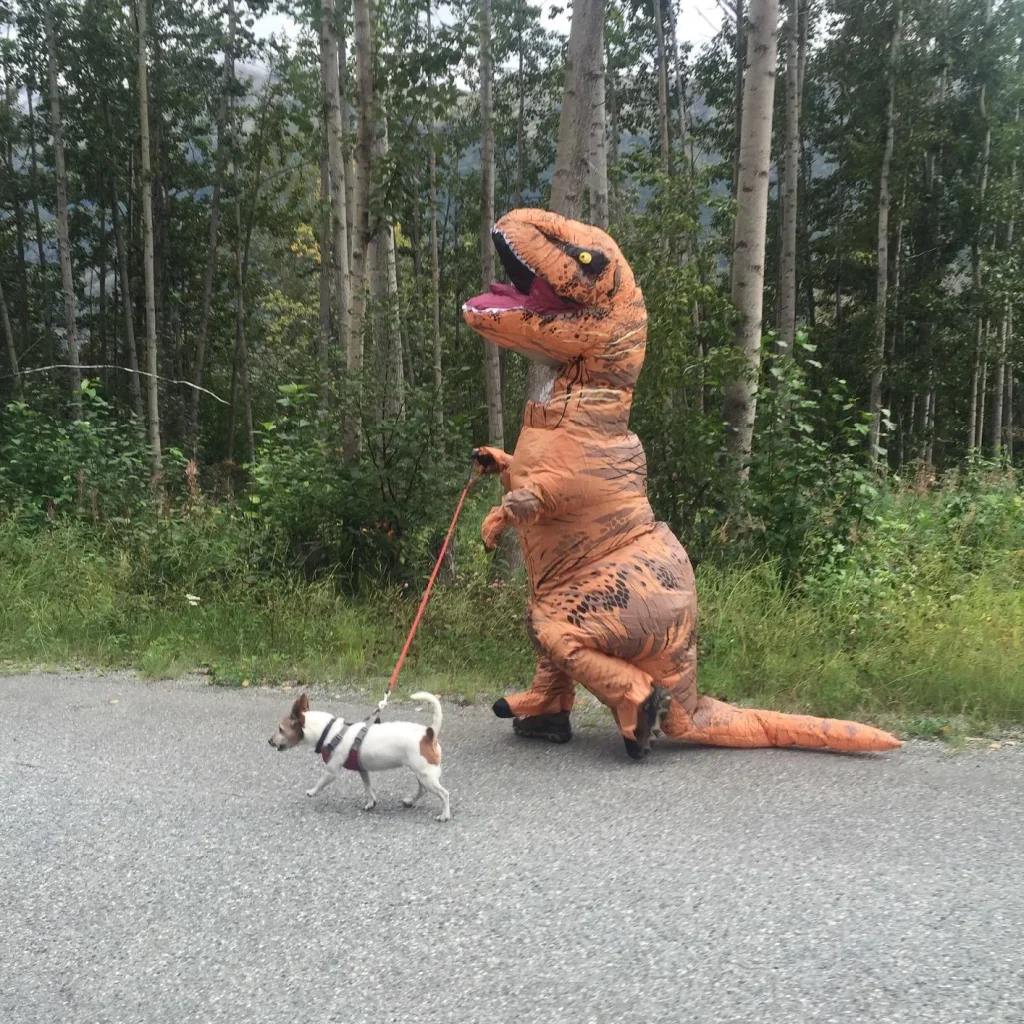
A Jurassic Park-inspired dinosaur costume can bring the excitement of prehistoric creatures into live events, themed performances, promotional activities, and entertainment attractions. With realistic dinosaur features, expressive movements, and carefully designed details, performers can transform themselves into memorable prehistoric characters that capture the audience’s attention. Whether used at a family festival, amusement park, corporate event, or themed party, a well-designed dinosaur costume can create an immersive experience for visitors of different ages.
Creating an effective Jurassic Park Dino Costume requires a balance of visual realism, performer comfort, mobility, and practical construction. The goal is to capture the adventurous atmosphere associated with prehistoric movie environments while developing a costume that can be worn and operated safely during live performances. From selecting the dinosaur species to choosing materials and movement features, every design decision contributes to the final result.
Understanding the Jurassic Park-Inspired Dinosaur Style
The appeal of Jurassic Park-inspired costumes comes from their recognizable dinosaur appearances and dramatic presentation. Rather than relying entirely on exaggerated cartoon features, these designs often emphasize realistic anatomy, textured skin, powerful jaws, and distinctive body proportions.
Popular dinosaur characters for themed costumes include:
- Tyrannosaurus rex: Recognized for its large head, powerful jaws, short forelimbs, and imposing appearance.
- Velociraptor: Known for its agile body shape, narrow head, sharp-looking claws, and alert posture.
- Triceratops: Distinguished by its three horns, broad frill, and sturdy body.
- Dilophosaurus-inspired designs: Often feature distinctive head crests and dramatic visual characteristics.
- Brachiosaurus: Recognized by its long neck and towering body proportions.
Choosing a specific dinosaur helps establish the costume’s overall shape, movement style, and character personality.
Designing a Realistic Dinosaur Appearance
A convincing dinosaur costume depends on the quality of its sculpting, surface details, and overall proportions. Even when a costume is designed for entertainment rather than scientific accuracy, recognizable anatomical features help create a stronger visual impression.
Head and Facial Design
The head is often the most noticeable part of a dinosaur costume. Its shape, eyes, mouth, teeth, and facial expression help communicate the character’s personality.
Important design elements include:
- A clearly defined skull shape.
- Detailed nostrils and eye sockets.
- Carefully positioned teeth.
- Textured skin around the jaw and forehead.
- Expressive eyes that remain visible to the audience.
For performer-operated costumes, designers must also consider visibility and ventilation. A realistic head should not prevent the wearer from seeing the performance area or breathing comfortably.
Skin Textures and Scales
Dinosaur skin details help distinguish a costume from an ordinary animal outfit. Sculpted scales, wrinkles, folds, and raised patterns can create a more natural appearance.
Different dinosaur species may require different surface treatments. A reptile-inspired texture may suit a raptor costume, while a more rugged appearance may work better for a large herbivorous dinosaur.
Color and Surface Finishing
Color selection influences the character’s visual identity. Naturalistic shades of green, brown, gray, and earthy tones can create a prehistoric appearance, while carefully applied highlights and darker shading add depth.
Protective coatings and durable paint finishes are also important when costumes will be used repeatedly at outdoor events or performances.
Choosing Suitable Materials
Materials affect the costume’s weight, flexibility, durability, comfort, and appearance. A successful design should balance realistic detailing with the practical needs of the performer.
| Material | Potential application | Main consideration |
|---|---|---|
| EVA foam | Lightweight structural shapes and costume details | Flexibility and shaping |
| Latex | Detailed skin textures and flexible exterior features | Weight, ventilation, and maintenance |
| Silicone | Realistic skin-like details and facial components | Weight and fabrication complexity |
| Fabric | Inner lining, body coverings, and flexible sections | Comfort and breathability |
| Fiberglass | Rigid structural or decorative components | Weight, impact protection, and secure mounting |
The final material combination should be selected according to the costume’s design, intended duration of use, and operating environment.
Creating Natural Dinosaur Movement
Movement is essential for making a dinosaur costume convincing during live performances. A performer should be able to reproduce recognizable creature behaviors without struggling against the costume’s weight or restricted movement.
Head Movement
The ability to turn, tilt, and raise the head can make the dinosaur appear alert and responsive. Depending on the design, head movements may be controlled directly by the performer or supported by mechanical components.
Jaw Animation
A moving jaw can create the impression that the dinosaur is roaring, breathing, or communicating. Simple mechanical linkages or performer-operated controls may be used to coordinate mouth movement with facial gestures.
Tail Movement
The tail contributes significantly to the dinosaur’s silhouette and balance. It should move naturally without making the costume difficult to control.
Lightweight construction and carefully designed attachment points can help improve comfort and maneuverability.
Body and Limb Movement
The costume should allow the performer to walk, turn, bend, and interact with the audience. Some designs include articulated legs or arms to reproduce the characteristic movement of a selected dinosaur species.
Movement should remain smooth and manageable, particularly during long performances or crowded events.
Performer Comfort and Mobility
A visually impressive costume will not perform well if it is uncomfortable or difficult to operate. Performer comfort should therefore be considered from the beginning of the design process.
Important features include:
- Lightweight construction: Reduces physical strain during extended performances.
- Breathable internal materials: Helps manage heat and moisture.
- Suitable ventilation: Allows adequate airflow inside enclosed costume sections.
- Clear visibility: Provides the performer with a safe view of the surrounding area.
- Balanced weight distribution: Reduces unnecessary pressure on the neck, shoulders, and back.
- Flexible joints: Supports walking, turning, and other performance movements.
- Accessible entry points: Makes wearing and removing the costume easier.
A fitting and movement test should be completed before the costume is used at a public event.
Adding Sound and Special Effects
Sound effects can strengthen the performance by making the dinosaur character feel more alive. A deep roar, growl, or breathing sound can add drama to a costume appearance, particularly during audience interactions.
Possible sound features include:
- Dinosaur roars and growls.
- Breathing and snarling effects.
- Footstep sounds.
- Short vocalizations synchronized with jaw movement.
- Background audio for staged performances.
Some costumes may also include illuminated eyes or other small visual effects. These additions should be designed so they do not interfere with performer visibility, comfort, or safe operation.
Using Dinosaur Costumes at Events and Performances
Jurassic Park-inspired costumes can be adapted for a wide range of entertainment settings.
Theme Parks and Amusement Attractions
Dinosaur characters can welcome visitors, appear in themed zones, and participate in scheduled performances. Their recognizable appearance can reinforce the atmosphere of prehistoric adventure areas.
Corporate Events and Promotional Activities
A dinosaur costume can become a distinctive attraction at product launches, exhibitions, brand events, and promotional campaigns. Performers can interact with guests and create memorable photo opportunities.
School Events and Educational Programs
Dinosaur characters can make prehistoric topics more engaging for children. Performers can introduce basic information about dinosaur species, fossils, habitats, and prehistoric environments.
Festivals and Family Entertainment
At festivals and community events, dinosaur costumes can participate in parades, stage performances, meet-and-greet activities, and interactive entertainment sessions.
Themed Parties and Private Events
A realistic dinosaur character can add an exciting element to birthday celebrations, themed parties, and special occasions.
Safety Considerations During Live Performances
Safety is essential whenever a performer wears a large or partially enclosed costume. The design should support safe movement and provide sufficient awareness of the surrounding environment.
Important precautions include:
- Visibility: Ensure the performer can see the floor, nearby people, and potential obstacles.
- Ventilation: Provide suitable airflow to reduce heat buildup.
- Weight management: Avoid excessive weight or poorly balanced components.
- Movement clearance: Ensure tails, wings, and other projecting features do not create unnecessary hazards.
- Performance supervision: Use assistants or handlers when the costume restricts visibility or movement.
- Regular inspection: Check straps, fasteners, joints, and structural components before use.
- Rest breaks: Schedule appropriate breaks during extended performances, especially in warm environments.
Event organizers should also establish clear performance areas and manage audience distances to prevent accidental collisions.
Maintaining a Dinosaur Costume
Regular maintenance helps preserve the costume’s appearance and extend its useful life. The maintenance process depends on the materials, construction, and frequency of use.
Recommended practices include:
- Cleaning exterior surfaces with suitable material-specific products.
- Allowing internal padding and fabric sections to dry completely after use.
- Inspecting seams, fasteners, and attachment points.
- Checking moving mechanisms and articulated components.
- Repairing damaged textures or paint finishes.
- Storing the costume in a clean, dry, well-ventilated area.
- Using suitable protective packaging during transportation.
Costumes with electronic components or mechanical features may require additional inspection and servicing according to their design specifications.
Planning a Custom Jurassic Park-Inspired Costume
Before beginning production, event organizers and costume designers should establish a clear project brief. This helps ensure that the finished costume meets the creative and practical requirements of the performance.
Consider the following factors:
| Planning factor | Questions to consider |
|---|---|
| Dinosaur species | Which prehistoric creature will the costume represent? |
| Appearance | Should the design be realistic, stylized, or theatrical? |
| Performer requirements | What height, size, and movement range are needed? |
| Materials | Which materials provide the right balance of detail and comfort? |
| Animation | Should the head, jaw, tail, or other parts move? |
| Sound and effects | Are audio or lighting features required? |
| Event environment | Will the costume be used indoors, outdoors, or in crowded spaces? |
| Maintenance | How frequently will it be used and inspected? |
Planning these details early can reduce production difficulties and help create a costume that performs consistently.
Conclusion
Creating a Jurassic Park-inspired dinosaur costume involves combining realistic creature design, suitable materials, performer-friendly construction, and expressive movement. Detailed heads, textured skin, articulated jaws, and coordinated sound effects can help recreate the excitement of prehistoric creatures during live entertainment.
However, visual realism should always be balanced with comfort, visibility, ventilation, and safe operation. By carefully considering the dinosaur species, event environment, performance requirements, and maintenance needs, designers can create memorable costumes for theme parks, festivals, educational programs, promotional events, and themed performances.
About Post Author




More Stories
How Iron Castings Manufacturers Meet Custom Industrial Component Requirements
TCCA for Cooling Tower Water: Understanding Chemical Treatment and Microbial Control Requirements
Why the Linear Range Matters in p-tau 181 Assay Validation and Quantitative Analysis