

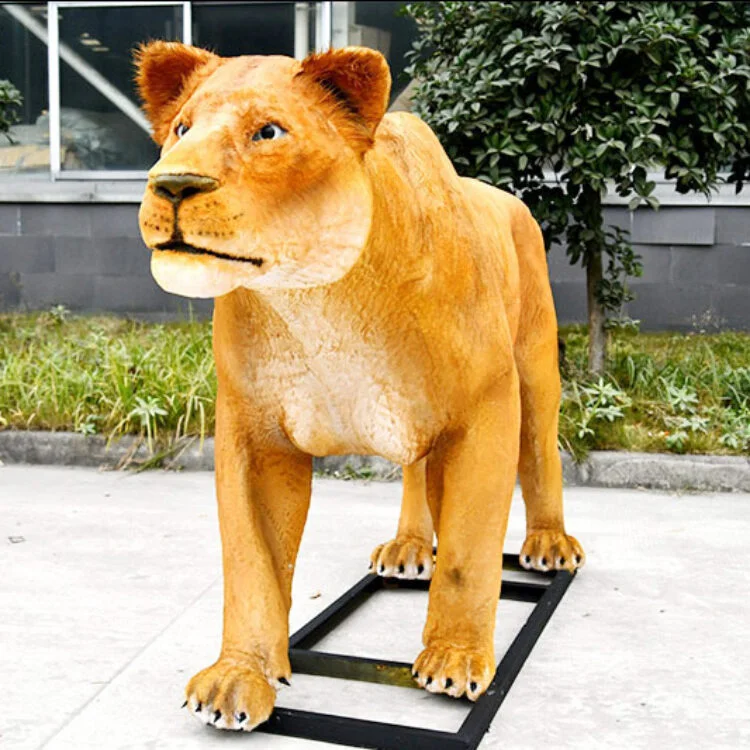
Lions are among the most recognizable and fascinating animals in the natural world. Their impressive appearance, powerful movements, and distinctive roars have made them popular subjects in wildlife exhibitions, educational programs, and themed entertainment. For theme parks and museums looking to create engaging visitor experiences, realistic animal displays offer an opportunity to combine visual storytelling with educational value. Modern animatronic technology makes these displays even more compelling by introducing lifelike movements and sound effects.
An Animatronic Lion combines realistic sculpting with mechanical systems to recreate selected movements and behaviors of a lion. Depending on its design, the model may move its head, open its mouth, blink its eyes, raise its paws, or produce synchronized roaring sounds. These features help transform a static exhibition into a more dynamic environment, allowing visitors to observe a lifelike representation of one of the world’s most iconic wild animals.
What Makes Animatronic Lion Models Realistic?
The realism of an animatronic lion depends on several design elements working together. Its body proportions, surface textures, facial details, and mechanical movements all contribute to the overall impression.
Accurate Body Proportions
A realistic lion model should reflect the animal’s recognizable physical characteristics, including its muscular body, broad paws, strong legs, long tail, and distinctive head shape.
Male lions are particularly recognizable because of their manes, which vary in appearance and color. Female lions have a different body profile and lack the prominent mane, making them suitable for other types of wildlife displays.
Accurate proportions help the model appear convincing from different viewing angles.
Detailed Mane and Fur Textures
The mane is one of the most important features of a male lion. Manufacturers may use artificial fur, textured materials, or sculpted surfaces to reproduce its layered appearance.
Body textures and color variations also contribute to realism. Natural shades of golden brown, tan, and cream can help create an appearance inspired by real lions.
Expressive Facial Features
The lion’s face is often the main focus of an exhibition model. Carefully designed eyes, nose, muzzle, teeth, and jaw structure help communicate its character.
Some models include movable jaws or blinking eyes, allowing them to create more expressive presentations during programmed sequences.
Natural-Looking Poses
The model’s posture should suit the intended environment. A standing lion may create a dramatic focal point, while a resting or seated model can be appropriate for a more relaxed wildlife exhibition.
The selected pose should also allow visitors to view important details clearly.
How Animatronic Technology Brings Lions to Life
Mechanical systems allow animatronic lions to perform controlled movements that make the display more engaging.
Head and Neck Movements
Head movement can make a lion appear alert and attentive. Depending on the model, the head may turn from side to side, tilt, or move in coordination with other body parts.
These actions can create the impression that the lion is observing its surroundings.
Jaw and Mouth Movements
Movable jaws can simulate actions such as roaring or growling. When synchronized with audio effects, these movements help create a more convincing presentation.
The mechanical design should provide controlled motion while maintaining the model’s facial proportions.
Eye and Ear Movements
Some advanced designs include blinking eyes or movable ears. These smaller movements can add subtle expressions and make the animal appear more lifelike.
Paw and Body Movements
Depending on the mechanical configuration, an animatronic lion may raise a paw, shift its body, or perform other programmed actions. More complex models can coordinate several movements to create a short demonstration sequence.
The available functions depend on the model’s construction and control system.
The Importance of Sound Effects in Lion Exhibitions
A lion’s roar is one of its most recognizable characteristics. Incorporating suitable audio into an animatronic display can strengthen the atmosphere and help visitors connect the model with real animal behavior.
Common sound features include:
- Roaring effects: Reproduce the distinctive vocalizations associated with lions.
- Growling sounds: Add atmosphere to selected movement sequences.
- Environmental audio: Create the impression of an African grassland or natural habitat.
- Synchronized sound: Coordinate audio with jaw movements or other mechanical actions.
Sound levels should be appropriate for the exhibition space. Museums and indoor attractions may require adjustable volume settings to maintain visitor comfort and avoid disturbing nearby displays.
Applications of Animatronic Lion Models
Animatronic lions can be incorporated into different types of entertainment and educational environments.
Theme Parks
Theme parks can use realistic lion models in safari-themed areas, wildlife adventures, and natural habitat recreations. A lion positioned among artificial rocks, grasses, and trees can become a central feature of a themed attraction.
Lighting and background sound can further enhance the environment and encourage visitors to explore the surrounding area.
Natural History Museums
Museums can use animatronic lions to introduce visitors to animal anatomy, behavior, and evolutionary history. A moving model can demonstrate selected physical characteristics while educational panels explain the lion’s role in its ecosystem.
This approach can make complex information easier for younger visitors to understand.
Zoos and Wildlife Education Centers
Animatronic models can complement wildlife education facilities by illustrating animal characteristics without requiring direct interaction with live animals.
They may be particularly useful in indoor interpretation areas, conservation exhibitions, and educational spaces where visitors can learn about predators and their habitats.
Shopping Malls and Public Exhibitions
Shopping centers and event organizers can use animatronic lions in themed displays, seasonal promotions, and family entertainment events. Their recognizable appearance can attract attention and create opportunities for photographs.
Film, Television, and Stage Productions
Animatronic lions may also be used in theatrical performances, film sets, and themed presentations. They offer controlled physical movements that can support scenes requiring a realistic animal representation.
The appropriate model depends on the production’s visual requirements, movement complexity, and available budget.
Benefits of Animatronic Lions for Visitor Experiences
Adding a realistic animal display can improve the educational and entertainment value of an attraction.
Creating Immersive Environments
Movement, sound, and detailed exterior finishes help create a more dynamic exhibition. Visitors can observe programmed actions rather than viewing a stationary sculpture.
When combined with appropriate scenery, the model can contribute to a convincing wildlife environment.
Supporting Educational Activities
Animatronic lions can help educators explain animal behavior, physical adaptations, hunting characteristics, and natural habitats.
For example, a guided presentation can use the model to introduce the lion’s mane, powerful limbs, and communication methods.
Attracting Visitor Attention
A large and realistic lion model can become a visual landmark within a museum or theme park. Its distinctive appearance may encourage visitors to stop, take photographs, and explore related exhibits.
Providing Consistent Demonstrations
Unlike live animal presentations, animatronic models can perform programmed sequences according to a planned schedule. This gives operators greater control over demonstration timing and visitor circulation.
Encouraging Family Participation
Children and adults can enjoy observing the model together. Interactive presentations and educational information can turn a simple viewing activity into a shared learning experience.
Choosing the Right Animatronic Lion Model
Selecting a suitable model requires an understanding of the project’s purpose, audience, and technical requirements.
Identify the Intended Setting
A museum exhibit may require a naturalistic lion with educational features, while a theme park could benefit from a larger model with more dramatic movements and sound effects.
The design should match the attraction’s overall theme.
Review Movement Capabilities
Different models offer different mechanical functions. Buyers should identify which movements are essential and determine whether additional features justify their cost.
A simple head-turning mechanism may be sufficient for some exhibitions, while a major themed attraction may require coordinated movements.
Examine Materials and Construction
The exterior materials affect appearance and durability. Fiberglass, resin, artificial fur, foam, and other materials may be used depending on the design.
The internal support structure should also be suitable for the model’s size, weight, and movement requirements.
Evaluate Control Systems
The control system coordinates the lion’s movements and sound effects. It should be reliable and practical for staff to operate.
Buyers should ask whether the model uses preprogrammed sequences, remote controls, sensors, or other available interaction features.
Consider Installation Requirements
Before purchasing, evaluate the model’s dimensions, weight, mounting arrangements, electrical needs, and maintenance access.
Large installations may require reinforced foundations or additional structural support.
Materials and Manufacturing Quality
Manufacturing quality plays an important role in the appearance and performance of an animatronic lion.
Fiberglass and Sculpted Components
Fiberglass is commonly used for detailed animal sculptures because it can be molded into complex shapes. It may be used for the head, body, and other exterior sections.
The surface can be finished with paint and protective coatings to achieve the desired appearance.
Artificial Fur and Textured Surfaces
Artificial fur can reproduce the layered appearance of a lion’s mane and coat. Material selection should consider texture, color, durability, and cleaning requirements.
Sculpted textures may be used in areas where a solid exterior finish is more practical.
Internal Support Structures
A reinforced internal frame provides support for the exterior body and mechanical components. Its design should account for the model’s dimensions, weight distribution, and expected movements.
Mechanical and Electrical Components
Motors, joints, wiring, controllers, and other technical parts determine how the model operates. These components should be appropriate for the intended movement functions and installation conditions.
Reliable manufacturing and correct assembly help support consistent performance.
Safety and Maintenance Considerations
Animatronic lions contain moving mechanical parts and may include electrical systems. Proper safety planning is therefore essential, particularly in public environments.
Important measures include:
- Securing the model to an appropriate foundation or support structure.
- Keeping visitors away from exposed moving components.
- Using protective covers around mechanical joints where necessary.
- Ensuring electrical systems are installed correctly.
- Maintaining suitable clearance around moving parts.
- Inspecting motors, wiring, fasteners, and structural supports regularly.
- Following manufacturer instructions for operation and servicing.
Routine cleaning helps preserve the exterior finish and maintain a professional appearance. Outdoor models may require additional protection against sunlight, moisture, dust, and temperature changes.
Any unusual movement, noise, or mechanical issue should be investigated before the model is returned to operation.
Designing an Engaging Lion-Themed Exhibition
A realistic animatronic lion becomes more effective when its surroundings support the intended theme. Designers can recreate a savanna environment using artificial grasses, rocks, trees, and natural-looking ground surfaces.
Lighting can highlight the lion’s facial details and mane, while background audio can establish a suitable atmosphere. Educational signs may introduce visitors to lion habitats, social structures, diets, and conservation challenges.
For family attractions, viewing areas should provide clear sightlines and enough space for visitors to observe the model safely. Interactive information panels and scheduled demonstrations can add educational value.
A successful exhibit should balance visual creativity, scientific accuracy, accessibility, and visitor safety.
Future Trends in Animatronic Wildlife Attractions
Developments in mechanical engineering, digital controls, and surface materials continue to create new opportunities for wildlife-themed entertainment.
More precise movement systems can support smoother actions, while improved sculpting and finishing techniques can produce increasingly realistic animal appearances.
Some attractions may also combine animatronic models with motion sensors, interactive lighting, augmented reality, and digital learning tools. These technologies can provide additional ways for visitors to explore wildlife information.
As museums and theme parks continue to invest in immersive experiences, realistic animatronic animals are likely to remain valuable components of educational exhibitions and themed environments.
Conclusion
Animatronic lion models combine realistic sculpting, detailed fur textures, mechanical movements, and synchronized sound effects to create immersive wildlife experiences. Their applications range from theme parks and natural history museums to educational centers, public exhibitions, and theatrical productions.
Choosing the right model requires careful attention to appearance, movement capabilities, construction materials, installation requirements, and maintenance needs. With thoughtful exhibit design and responsible operation, an animatronic lion can become a memorable attraction that entertains visitors while encouraging a deeper appreciation of wildlife.
About Post Author




More Stories
The Role of Xprinter Thermal Printers in Improving Retail Checkout Efficiency
How to Identify High-Quality Tissue Culture Plants Before Purchasing
Understanding Acoustic Panel Specifications Before Placing a Bulk Order