

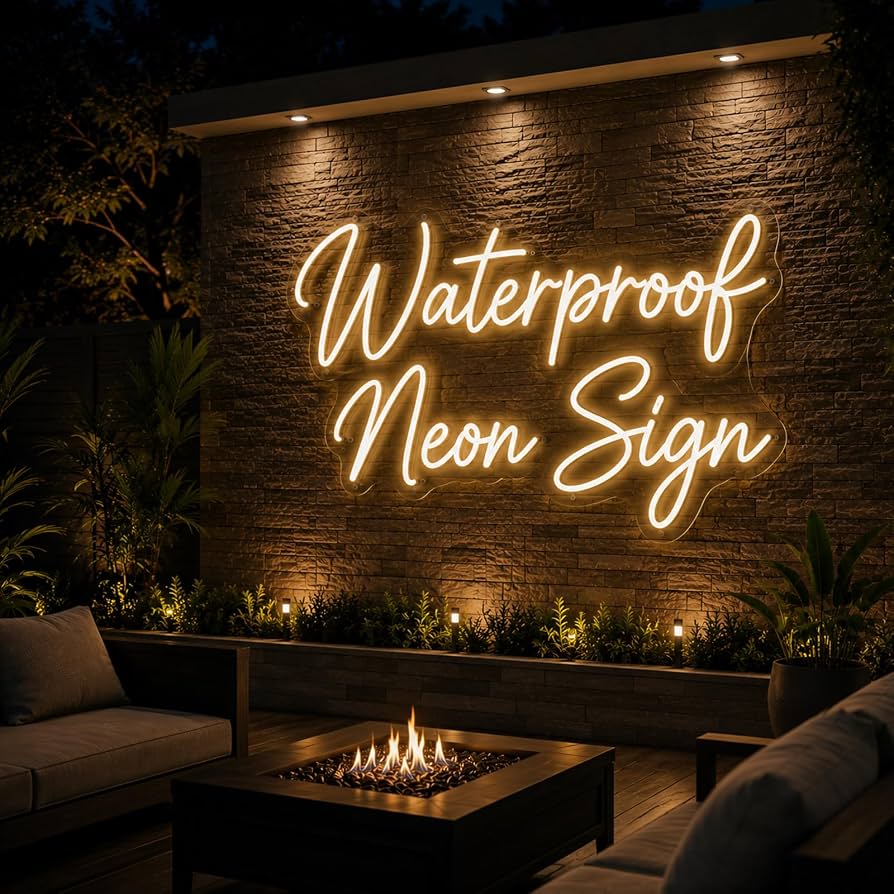
A strong visual identity helps businesses stand out, attract attention, and create lasting impressions among potential customers. In busy commercial environments, attractive signage can make a brand easier to recognize and help communicate its personality. LED signs are particularly useful because they combine illumination, design flexibility, and practical functionality across a wide range of business settings.
However, creating effective signage involves more than selecting attractive colors or adding a company logo. Working with a professional LED Sign Supplier can help businesses choose suitable display solutions, customize designs, and maintain consistent visual branding. The right supplier can turn a branding concept into an illuminated display that supports the company’s marketing objectives.
1. Creating a Strong First Impression
First impressions can influence how customers perceive a business. A well-designed illuminated sign makes a storefront, office, restaurant, or retail space easier to identify.
LED signage can highlight a company name, logo, or promotional message, helping visitors recognize the business from a distance. An attractive display can also make a commercial location look more organized and professional.
A knowledgeable supplier can help determine the appropriate sign size, placement, colors, and lighting style based on the building and surrounding environment.
2. Strengthening Brand Recognition Through Consistent Design
Brand recognition develops when customers repeatedly encounter consistent visual elements. These include logos, colors, typography, and graphic styles.
An experienced supplier can help translate these elements into custom LED signage while maintaining the original brand identity.
For example, a business with a distinctive logo can incorporate its existing colors and lettering into an illuminated sign. Companies with multiple branches can also use consistent designs to create a recognizable appearance across different locations.
Consistency makes it easier for customers to associate signage with the business, even when they encounter it in different environments.
3. Customizing Signs to Match Your Brand Identity
Every brand has its own personality and communication style. A creative business may prefer colorful, expressive signage, while a corporate office may require a more understated and professional display.
Customization allows businesses to choose designs that reflect their identity and appeal to their target audience.
Common customization options include:
- Brand-specific colors and lighting effects
- Custom logos and lettering
- Different fonts and typography styles
- Personalized shapes and dimensions
- Acrylic backing and mounting options
- Indoor and outdoor sign configurations
A supplier that offers design flexibility can help businesses develop signage that feels connected to their overall branding strategy.
4. Improving Storefront Visibility
A storefront sign often serves as the first point of visual contact between a business and potential customers. In shopping streets, commercial centers, and crowded retail areas, clear illuminated signage can help a location stand out.
LED signs can make business names and logos more noticeable, particularly during evening hours or in areas with limited natural lighting.
When planning a storefront display, consider the viewing distance, surrounding light conditions, building architecture, and pedestrian or vehicle traffic.
A professional supplier can help select suitable dimensions and brightness levels so the sign remains visible without becoming excessively bright or difficult to read.
5. Supporting Effective Advertising and Promotions
LED signage can communicate more than a business name. It can also highlight special offers, new products, seasonal campaigns, and important announcements.
Retail stores may use illuminated displays to draw attention to featured products, while restaurants can highlight promotional messages or signature menu items.
Depending on the display type, businesses may choose fixed illuminated signs or electronic LED screens capable of presenting changing content.
A supplier can explain which solution is suitable for the intended advertising purpose, available budget, and desired level of content flexibility.
6. Creating a Memorable Customer Experience
Visual presentation influences the atmosphere of a commercial space. LED signs can contribute to an environment that feels welcoming, modern, and consistent with the brand’s personality.
Restaurants may use decorative illuminated lettering to create a distinctive dining atmosphere. Retail stores can incorporate branded lighting into feature walls or product displays. Hotels and entertainment venues may use illuminated logos to make entrances and reception areas more visually appealing.
The most effective signage supports the overall customer experience without distracting from the products, services, or environment.
7. Using Lighting to Attract Attention
Lighting is a central feature of illuminated signage. Different colors, brightness levels, and lighting arrangements can create different visual effects.
For example, warm lighting may create a welcoming appearance, while brighter colors can produce a more energetic impression. Consistent illumination can also make logos and lettering easier to recognize.
When choosing a lighting design, businesses should consider:
- Visibility in daylight and nighttime conditions
- Brightness appropriate for the installation location
- Consistency of color across the sign
- Readability of text and graphic elements
- Compatibility with the surrounding environment
A supplier with suitable technical knowledge can help balance visual impact with practical lighting requirements.
8. Choosing Materials That Support a Professional Appearance
The materials used in a sign influence its finish, structural quality, and suitability for different environments.
Modern LED signage may incorporate acrylic panels, aluminum structures, flexible LED materials, protective housings, and electrical components.
Businesses should ask suppliers about material specifications and how each component contributes to the finished product.
For outdoor applications, materials and construction methods should be suitable for expected exposure to sunlight, moisture, dust, and temperature changes. Indoor signs may have different requirements depending on their location and intended use.
Choosing suitable materials helps maintain the sign’s appearance and functionality over time.
9. Maintaining Brand Consistency Across Multiple Locations
Businesses with several branches need signage that looks consistent wherever customers encounter the brand.
Differences in colors, lettering, dimensions, or logo placement can make locations appear disconnected. A supplier that retains approved artwork and production specifications can help reduce these inconsistencies.
This is particularly useful for:
- Restaurant chains
- Retail franchises
- Hotels and hospitality groups
- Corporate offices
- Shopping center tenants
- Businesses expanding into new markets
Maintaining consistent signage helps create a unified visual identity and makes the brand easier to recognize across different locations.
10. Combining Visual Impact With Energy Efficiency
LED technology offers an effective way to create illuminated displays while managing electricity consumption. Compared with many traditional lighting options, LED lighting generally uses less energy for similar applications.
For businesses that keep signs illuminated for extended periods, energy efficiency can contribute to lower operating expenses.
A reliable supplier can provide information about power consumption, operating voltage, lighting specifications, and available dimming features.
Businesses should compare the energy requirements of different products and consider how long the signage will operate each day.
11. Benefiting From Professional Design and Technical Guidance
Developing effective signage involves several decisions, including design proportions, material selection, lighting performance, electrical requirements, and mounting arrangements.
A professional supplier can help businesses evaluate these details before manufacturing begins.
This guidance may include reviewing artwork, suggesting suitable materials, preparing design previews, and explaining installation requirements.
Discussing the project in detail before production can help avoid common issues such as incorrect dimensions, unsuitable brightness, poor visibility, or mismatched brand colors.
12. Supporting Long-Term Brand Value
Quality signage should be viewed as a long-term branding investment rather than a temporary decorative purchase.
A well-designed LED sign can continue promoting a business whenever it is visible to customers. It may reinforce brand recognition, improve location visibility, and support a consistent commercial appearance.
To protect this investment, businesses should review product warranties, maintenance instructions, and after-sales support before ordering.
Regular cleaning, appropriate installation, and periodic inspection of mounting hardware and electrical connections can also help maintain the sign’s appearance and performance.
13. How to Work Effectively With an LED Sign Supplier
Businesses can achieve better results by preparing their requirements before contacting a supplier.
Start by identifying the purpose of the sign, its installation location, preferred dimensions, and available budget. Gather brand assets such as logos, color references, and design files.
Next, discuss customization options and request a digital preview. Review the proposed layout carefully, paying attention to spelling, proportions, readability, and lighting effects.
Before approving production, confirm the materials, electrical specifications, estimated delivery schedule, installation arrangements, and warranty conditions.
Clear communication throughout the process helps ensure that the finished sign reflects the intended brand identity.
Conclusion
An LED sign supplier can play an important role in improving a business’s visual presence by helping transform branding ideas into attractive and functional illuminated displays. Through custom design, suitable materials, consistent lighting, and technical guidance, businesses can create signage that strengthens recognition and makes commercial spaces more noticeable.
The best results come from choosing a supplier that understands both creative requirements and practical performance considerations. By focusing on design flexibility, product quality, energy efficiency, and long-term support, businesses can make informed signage investments that contribute to a stronger and more recognizable brand identity.
About Post Author



More Stories
How to Identify High-Quality Tissue Culture Plants Before Purchasing
Understanding Acoustic Panel Specifications Before Placing a Bulk Order
What Makes a Professional LED Neon Sign Manufacturer a Reliable Business Partner?