

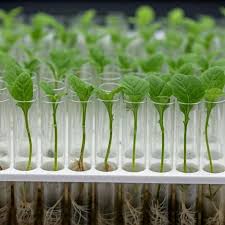
Tissue culture plants have become an important option for home gardeners, plant collectors, and commercial nurseries because they can be propagated under controlled laboratory conditions. However, not every plant available on the market meets the same quality standards. Differences in plant development, root formation, handling, and acclimatization can affect how successfully plants grow after purchase.
When searching for Tissue Culture Plants for Sale, buyers should look beyond appearance and price. Understanding the signs of healthy plant material helps reduce purchasing risks and makes it easier to select varieties suited to specific growing environments. Whether ordering a few plants for a home collection or sourcing larger quantities for a nursery, evaluating quality before purchasing is an essential step.
1. Check the Overall Appearance of the Plants
A plant’s general appearance can provide useful clues about its condition. Healthy tissue culture plantlets should show normal development for their species and growth stage.
Look for the following characteristics:
- Leaves with natural, consistent coloration.
- Firm stems and well-developed growing points.
- Balanced growth without unusual deformities.
- No visible signs of decay or physical damage.
- A growth structure appropriate for the selected variety.
Some tissue culture plantlets are naturally small, so size alone should not determine quality. Compare plants with the supplier’s stated specifications rather than expecting every variety to have the same dimensions.
2. Examine Leaf Color and Development
Leaves are among the easiest plant features to assess. Their color, texture, and formation can help buyers identify possible growing problems.
Healthy leaves generally have coloration consistent with the plant variety. For example, an Aglaonema may have green and pink patterns, while a Monstera may develop characteristic leaf shapes as it matures.
Be cautious when plants show:
- Widespread yellowing or browning.
- Soft, damaged, or collapsing leaves.
- Unusual discoloration that does not match the cultivar.
- Excessive leaf loss.
- Distorted new growth.
It is important to understand that some varieties naturally display variegation or unusual pigmentation. Buyers should compare leaf characteristics with reliable references for the specific cultivar.
3. Inspect Root Development
Root condition is particularly important when purchasing rooted or acclimatized tissue culture plants. A healthy root system supports water and nutrient absorption and helps the plant establish itself in a growing medium.
When roots are visible, check whether they appear firm and reasonably developed for the plant’s stage. Healthy roots are commonly white, cream, or light tan, depending on the species and growing conditions.
Avoid plants with roots that appear:
- Dark, mushy, or decomposed.
- Severely damaged or broken.
- Extremely dry and brittle.
- Affected by visible fungal growth.
For plantlets still growing inside culture containers, roots may be difficult to evaluate individually. In such cases, ask the supplier for clear photographs or information about root development and production standards.
4. Look for Signs of Contamination
Contamination is one of the important quality concerns in tissue culture production. Microorganisms such as fungi and bacteria can affect cultures and may compromise plant health.
If plants are supplied in sealed culture containers, inspect the growing medium and container carefully. The medium should generally appear clean and consistent with the supplier’s production specifications.
Warning signs may include:
- Unusual fuzzy growth on the medium.
- Cloudy or discolored areas.
- Unexpected slimy material.
- Unusual spots or growth that may indicate microbial contamination.
Not every change in medium color indicates contamination, because different formulations and plant species can produce different appearances. When uncertain, request an explanation or additional photographs from the supplier.
5. Understand the Plant’s Growth Stage
Tissue culture plants are sold at different development stages. Knowing which stage you are purchasing helps you assess whether the plant’s condition is appropriate.
Common supply stages include:
In Vitro Plantlets
These plants remain inside sterile culture containers with a nutrient medium. They are generally small and require careful handling when removed from the containers.
Rooted Plantlets
Rooted plantlets have developed roots and may be ready for transfer into a suitable growing medium, depending on their condition and species.
Acclimatized Plants
These plants have already undergone the transition from laboratory conditions to a more natural growing environment. They may be better suited to buyers who want to avoid the earliest stages of acclimatization.
Always confirm the growth stage, because a small in vitro plantlet should not be judged by the same standards as an established nursery plant.
6. Verify the Plant Variety and Identity
Correct variety identification is essential, especially when purchasing ornamental plants with similar appearances. A supplier should provide clear product names and, where relevant, scientific names or cultivar details.
For example, different Philodendron, Monstera, and Anthurium varieties may have distinct foliage patterns, growth habits, and market values.
Before ordering, confirm:
- The scientific or commonly accepted plant name.
- The cultivar or variety name, if applicable.
- Expected leaf color and growth characteristics.
- Whether the supplied plant matches the advertised product.
- Any available variety identification documentation.
This is particularly important for commercial nurseries that need accurate product labels and consistent inventory records.
7. Review the Supplier’s Quality Control Process
A reliable supplier should be able to explain how plants are produced, inspected, and prepared for delivery. Quality control may cover culture conditions, contamination monitoring, plant development, labeling, and packaging.
Ask potential suppliers questions such as:
- How are tissue culture batches inspected?
- What procedures are used to monitor contamination?
- How are plant varieties identified and labeled?
- Are plantlets checked before packaging?
- What happens if plants arrive damaged or unhealthy?
Clear answers can help buyers understand the supplier’s production standards and level of quality management.
8. Evaluate Packaging and Shipping Arrangements
Even healthy plants can deteriorate if they are packed or transported improperly. Packaging should match the plant’s growth stage and the expected shipping conditions.
For in vitro plantlets, containers should remain properly sealed and protected against breakage. Rooted or acclimatized plants may require different protective materials to reduce movement, moisture loss, and physical damage.
Before purchasing, confirm whether the supplier:
- Uses packaging suitable for the plant type.
- Protects containers against impact during transit.
- Provides appropriate temperature and handling guidance.
- Shares estimated delivery times.
- Explains procedures for reporting damaged shipments.
Long shipping periods and unsuitable environmental conditions can affect plant quality, so transportation arrangements deserve as much attention as the plants themselves.
9. Check Acclimatization Requirements
Tissue culture plants are often grown in controlled environments with high humidity and carefully managed nutrients. When removed from these conditions, they need time to adapt to normal growing environments.
This transition is known as acclimatization or hardening off. Plantlets that have not completed this process may be more sensitive to changes in humidity, temperature, and light.
Before ordering, find out whether the plants are in vitro, newly transferred, or fully acclimatized. Ask for care instructions covering:
- Suitable growing media.
- Humidity management.
- Light intensity.
- Temperature requirements.
- Watering practices.
- Gradual environmental adjustment.
Understanding these requirements helps buyers prepare suitable growing conditions before the plants arrive.
10. Compare Prices Without Ignoring Quality
Price is an important purchasing factor, particularly for commercial nurseries ordering large quantities. However, the lowest quotation does not necessarily represent the best value.
Tissue culture plant prices can vary according to species, cultivar, plant stage, order volume, production difficulty, packaging, and shipping arrangements.
When comparing suppliers, evaluate the complete offer rather than the unit price alone. A slightly higher quotation may include better-developed plantlets, stronger packaging, clearer product specifications, or more dependable support.
Request itemized quotations whenever possible so that differences between offers are easier to understand.
11. Request Recent Photographs or Samples
Product descriptions provide useful information, but actual photographs can help buyers assess the condition and development of plants before placing an order.
Ask suppliers for recent images of the relevant batch rather than relying entirely on general promotional pictures. For large commercial purchases, a small trial order may also help evaluate plant consistency, packaging, and delivery performance.
When reviewing photographs, look for clear views of leaves, stems, roots, and culture containers where applicable. Images should represent the actual product and growth stage being offered.
12. Consider the Buyer’s Intended Growing Purpose
The quality requirements for tissue culture plants can vary according to their intended use.
For Home Gardeners
Home gardeners may prioritize attractive foliage, manageable care requirements, and varieties suited to their indoor or outdoor conditions. Acclimatized plants can be a convenient option for people with limited experience handling in vitro material.
For Commercial Nurseries
Commercial growers often need consistent batches, accurate labeling, predictable supply, and varieties that match customer demand. They should also consider the facilities and labor required to acclimatize and grow plants before retail distribution.
Selecting plants according to their intended purpose helps avoid purchasing varieties or growth stages that do not match the buyer’s capabilities.
13. Common Mistakes to Avoid When Purchasing
Even experienced buyers can overlook important details when ordering tissue culture plants. Avoid these common mistakes:
- Choosing plants based only on low prices.
- Ignoring the difference between in vitro and acclimatized material.
- Failing to confirm variety names and specifications.
- Overlooking packaging and shipping conditions.
- Assuming all species require identical care.
- Ordering large quantities without evaluating supplier reliability.
- Failing to prepare suitable growing conditions before delivery.
A careful purchasing process can help prevent avoidable losses and support better plant establishment.
14. Why Supplier Selection Matters
Plant quality depends not only on the species being purchased but also on production practices, inspection procedures, handling, and transportation. Working with a supplier that provides clear specifications and responsive communication makes it easier to evaluate these factors.
Buyers can review the product information and sourcing options available from Young Plants while comparing varieties, plant stages, and supply requirements. Asking detailed questions before ordering can help establish realistic expectations and support more informed purchasing decisions.
Conclusion
Identifying high-quality tissue culture plants requires attention to several factors, including leaf development, root condition, contamination risks, variety identity, growth stage, packaging, and acclimatization requirements. No single visual feature can guarantee plant quality, so buyers should consider the complete condition of the material and the supplier’s quality control practices.
By requesting accurate product information, reviewing recent photographs, comparing suppliers, and understanding the plants’ growing needs, home gardeners and commercial nurseries can make more confident purchasing decisions. Careful evaluation before ordering also creates a stronger foundation for successful plant establishment and long-term growth.
About Post Author

More Stories
Factors to Consider When Choosing Paper Lunch Boxes Wholesale
Understanding Sand Aluminium Casting and Its Role in Custom Metal Component Production
Why Tissue Culture Philodendron Is a Popular Choice for Commercial Plant Nurseries