

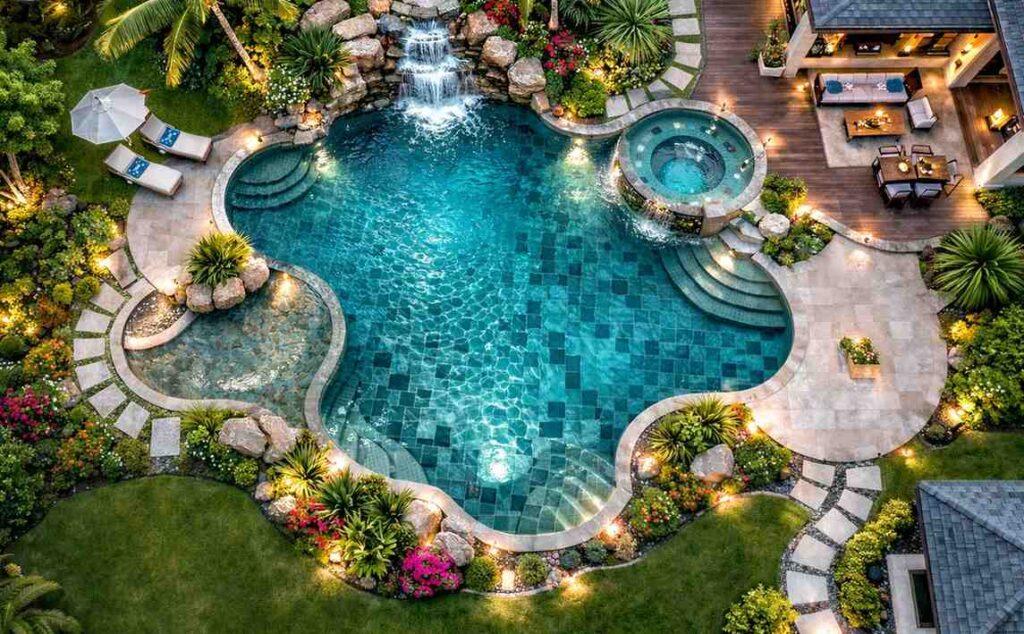
Water features can transform an ordinary swimming pool into an attractive and relaxing outdoor centerpiece. From elegant waterfalls to gentle fountains, these additions introduce movement, sound, and visual interest while enhancing the overall swimming experience. When selected carefully, they can complement the surrounding landscape and create a more inviting outdoor environment.
Incorporating water features into a Custom Swimming Pool allows homeowners to choose elements that match their preferred design, available space, and lifestyle requirements. Whether the goal is to create a peaceful backyard retreat or an impressive entertainment area, understanding the available options can help achieve a balanced and functional design.
Why Add Water Features to a Swimming Pool?
Water features offer more than decorative appeal. They can influence the atmosphere of an outdoor space and make the pool area more enjoyable for different activities.
Some of their main benefits include:
- Visual enhancement: Moving water creates attractive focal points and adds character to the pool.
- Relaxing atmosphere: The sound of flowing water can contribute to a peaceful outdoor environment.
- Design flexibility: Different features can complement modern, traditional, and natural-inspired pool styles.
- Entertainment value: Decorative water elements can make swimming areas more engaging for family members and guests.
- Landscape integration: Water features can connect the pool visually with gardens, patios, and surrounding architecture.
The most suitable addition depends on the pool’s layout, available installation space, and intended use.
1. Waterfalls for a Natural and Relaxing Appearance
Waterfalls are among the most recognizable features in modern swimming pool design. They introduce continuous water movement and can create a natural atmosphere within residential and commercial outdoor spaces.
Rock Waterfalls
Rock waterfalls use natural or artificial stone to create an appearance inspired by streams and natural landscapes. They work particularly well in gardens with tropical plants, textured pathways, and organic pool shapes.
Modern Wall Waterfalls
Wall-mounted waterfalls offer a more contemporary appearance. Water flows from a raised structure or narrow opening into the swimming pool, creating a clean and organized visual effect.
These designs are suitable for geometric pools and outdoor spaces with modern architectural elements.
Important Installation Considerations
Waterfalls require appropriate plumbing, water circulation, and structural support. Their height and water flow should also be selected carefully to avoid excessive splashing and unnecessary energy consumption.
2. Fountains for Decorative Water Movement
Fountains provide a simple way to introduce movement and visual interest into a swimming pool. Depending on their design, they can produce gentle streams or more prominent water displays.
Some common options include:
Floating fountains: These units operate within the pool and create decorative water patterns.
Central fountains: Positioned as focal points, they can introduce a formal appearance to larger swimming pools.
Decorative spray fountains: These create controlled streams of water that rise above the pool surface.
When choosing a fountain, consider its size, operating noise, maintenance requirements, and compatibility with the existing circulation system.
3. Deck Jets for a Contemporary Look
Deck jets are designed to project smooth streams of water from the surrounding pool deck into the swimming area.
They are particularly popular in modern landscape designs because they create attractive water arcs without requiring large decorative structures.
Multiple deck jets can be arranged in symmetrical patterns or positioned along one side of the pool.
These features are suitable for homeowners who prefer a clean appearance while still incorporating movement into their outdoor environment.
Proper positioning is important to ensure that water reaches the pool effectively and does not create excessive splashing onto nearby walkways.
4. Bubblers for Shallow Pool Areas
Bubblers produce gentle streams of water that rise from the pool floor. They are commonly installed in shallow sections, tanning ledges, and designated relaxation areas.
Their relatively subtle appearance makes them suitable for contemporary swimming pool designs.
Bubblers can provide additional visual interest for children and adults while creating a pleasant water movement effect.
They should be installed with appropriate plumbing and positioned according to the intended water depth and surrounding layout.
5. Spillover Spas and Integrated Water Features
A spillover spa combines a separate heated seating area with the main swimming pool. Water flows from the spa into the pool through a raised edge or connecting opening.
This arrangement creates a connected visual appearance while allowing the two areas to serve different purposes.
Spillover designs can be particularly useful for homeowners interested in combining recreational swimming with relaxation.
Before installation, it is important to consider:
- Separate or shared water heating requirements.
- Appropriate filtration and circulation arrangements.
- Water-level differences between the spa and pool.
- Structural support and waterproofing.
- Access for maintenance and servicing.
A properly planned spillover system can create a functional and visually cohesive pool environment.
6. Sheer Descent Waterfalls for Modern Pools
Sheer descent waterfalls produce a smooth sheet of water that flows from a raised wall or feature into the swimming pool.
Unlike traditional rock waterfalls, they create a more refined and architectural appearance.
They are often incorporated into rectangular pools, raised walls, and contemporary outdoor entertainment areas.
The width of the waterfall and the rate of water flow influence its appearance. A carefully selected installation can create a consistent water curtain while limiting unnecessary splashing.
7. Lighting to Highlight Water Features
Lighting can make water features more noticeable, particularly during evening hours. Combining underwater illumination with carefully positioned landscape lights can create an attractive atmosphere around the swimming pool.
LED lighting is commonly used because it offers energy-efficient operation and different lighting options.
Consider the following approaches:
- Use underwater lights to illuminate the main swimming area.
- Highlight waterfalls with strategically positioned lighting.
- Illuminate deck jets to emphasize moving water.
- Add pathway lighting to improve visibility.
- Use subtle landscape lighting to complement nearby plants and structures.
Lighting should be planned with electrical safety and appropriate equipment ratings in mind. Pool installations must use suitable waterproof fittings and comply with local electrical regulations.
8. Choosing Water Features That Match Your Pool Design
Not every water feature suits every swimming pool. The overall design, available space, and intended atmosphere should guide the selection process.
For Modern Geometric Pools
Sheer descent waterfalls, deck jets, and minimalist fountains often complement rectangular pools and contemporary architecture.
For Natural-Inspired Pools
Rock waterfalls, stone features, and carefully positioned bubblers can help create a landscape-oriented environment.
For Compact Swimming Pools
Smaller fountains and subtle wall-mounted water features may provide decorative value without occupying excessive space.
For Luxury Outdoor Spaces
Integrated spas, multiple deck jets, and architectural waterfalls can create a more elaborate outdoor environment when sufficient space and budget are available.
Selecting features that complement the pool’s proportions helps maintain visual balance.
9. Consider Water Circulation and Equipment Requirements
Water features require more than decorative installation. Their performance depends on appropriate plumbing, pumps, filtration, and water circulation.
Some features can operate using the main pool circulation system, while others may require dedicated pumps.
The correct arrangement depends on the feature’s dimensions, water flow requirements, and operating schedule.
An experienced pool professional can determine whether the existing equipment is sufficient or whether additional components are needed.
Proper planning also helps avoid problems such as inconsistent water flow, excessive splashing, and unnecessary energy consumption.
10. Maintenance and Long-Term Operating Costs
Water features introduce additional components that require periodic inspection and cleaning.
Leaves, mineral deposits, and other debris can affect water outlets and plumbing systems. Pumps and valves should also be checked regularly to maintain reliable operation.
Before selecting a feature, homeowners should consider:
- Cleaning requirements.
- Pump electricity consumption.
- Potential plumbing repairs.
- Water loss caused by splashing and evaporation.
- Access to equipment for maintenance.
Choosing durable materials and properly designed circulation systems can help reduce long-term maintenance difficulties.
11. Common Mistakes to Avoid When Adding Water Features
Although water features can improve pool design, poor planning may create unnecessary expenses and operational problems.
Some common mistakes include:
Choosing oversized features: Large waterfalls and fountains may overwhelm smaller swimming pools.
Ignoring noise levels: Certain water features can produce more sound than expected, which may affect relaxation areas.
Overlooking maintenance access: Pumps, valves, and plumbing components should remain accessible for servicing.
Using incompatible materials: Pool finishes and decorative structures should be suitable for continuous water exposure.
Neglecting energy requirements: Additional pumps and lighting can increase operating expenses if equipment is not selected efficiently.
Considering these factors during the planning stage helps create a more practical installation.
Conclusion
Water features can add character, movement, and functionality to a swimming pool. Whether homeowners prefer natural rock waterfalls, modern deck jets, decorative fountains, or integrated spillover spas, each option offers different possibilities for improving the outdoor environment.
The best results come from selecting features that complement the pool’s design while considering installation requirements, water circulation, safety, and maintenance costs.
With thoughtful planning and suitable professional guidance, water features can become an attractive part of the swimming pool environment, creating a more enjoyable space for relaxation, recreation, and outdoor entertainment.
About Post Author



More Stories
Private Label Notebooks: How to Create Customized Stationery for Your Brand
A Closer Look at Scaffolding Materials That Ensure Strength, Stability, and Long-Term Performance
Flex Insulation: Versatile Solutions for Improving Thermal Performance in HVAC Systems