

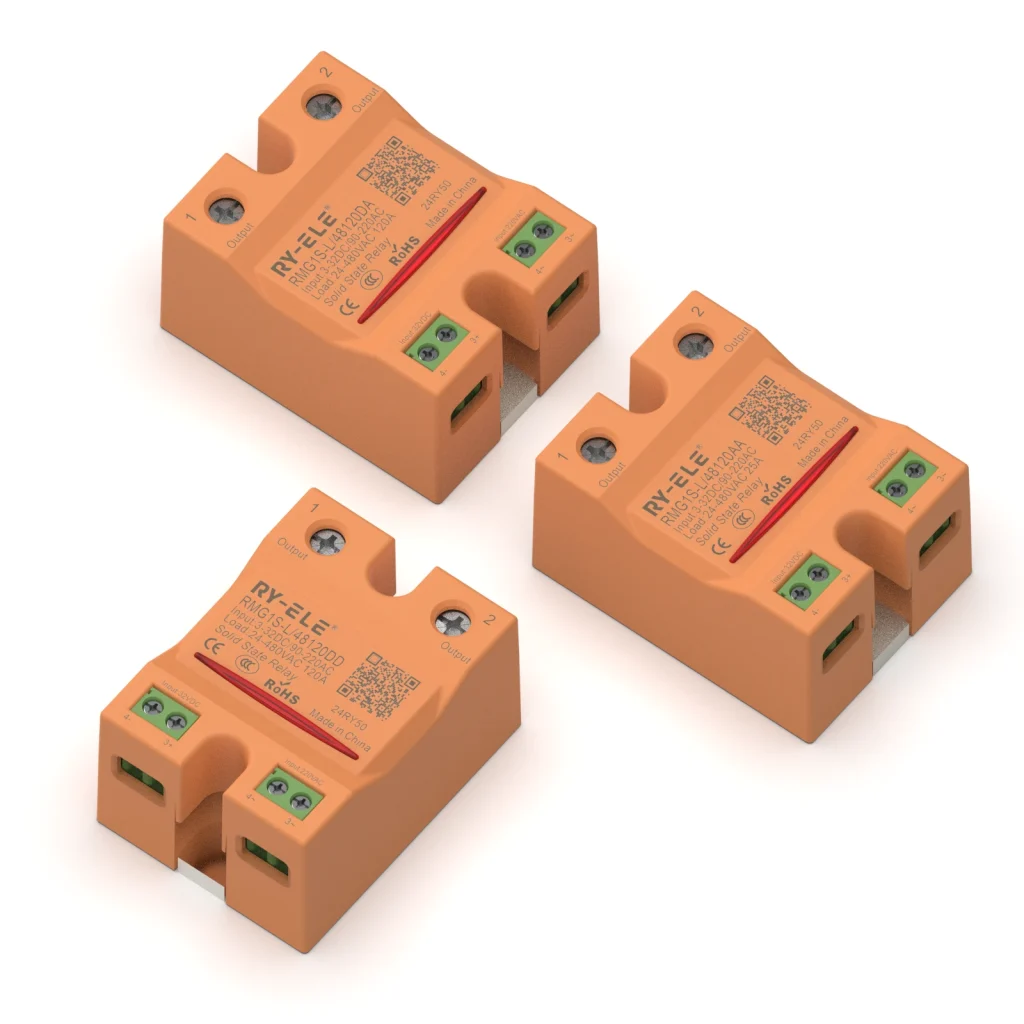
Industrial automation projects depend on reliable switching components to control machinery, heating systems, motors, lighting, and other electrical loads. Choosing appropriate relays is therefore an important part of designing an efficient and dependable automation system.
A Solid State Relay Supplier can support automation projects by providing suitable switching products, technical information, and application guidance. The right supplier can help engineers select components that align with the electrical and operational requirements of the system.
Matching Relays to Automation Requirements
Every automation project has different electrical demands. Control voltage, load current, output voltage, switching frequency, and load type all influence relay selection.
Suppliers can help customers identify relay specifications that match the intended application. This reduces the risk of selecting components that are unsuitable for the control circuit or connected load.
Supporting Fast and Reliable Switching
Solid state relays use semiconductor switching technology rather than conventional mechanical contacts. This allows them to operate without physical contact movement during normal switching.
For automation systems with frequent switching cycles, this can be an important consideration. Suppliers can provide relay options designed for different switching requirements, helping engineers choose components appropriate for their equipment.
Helping With Thermal Management
Heat generation is an important design consideration in solid state relay applications. As load current increases, the relay may require suitable heat dissipation to remain within its recommended operating temperature.
A knowledgeable supplier can provide information about thermal resistance, heat sinks, mounting arrangements, and operating limits. This information helps engineers incorporate appropriate thermal management into the control-panel design.
Providing Different Relay Configurations
Automation projects may require relays with different input and output characteristics. Having access to multiple configurations allows engineers to select components based on the specific needs of each circuit.
Common considerations include:
- AC or DC load switching
- Different input control voltages
- Various output current ratings
- Different load voltage ranges
- Switching requirements for specific applications
- Panel or equipment mounting requirements
A broad selection can make it easier to standardize components across different automation projects.
Improving Control Panel Design
Relay selection also affects the physical arrangement of an automation cabinet. Compact components can help engineers use available panel space efficiently while maintaining suitable clearance for wiring, ventilation, and maintenance.
Suppliers can provide dimensional drawings and mounting information that help designers plan the location of switching components before equipment assembly begins.
Providing Technical Documentation
Clear technical documentation is essential during automation system design. Datasheets should provide information such as electrical ratings, terminal arrangements, dimensions, isolation specifications, environmental limits, and installation requirements.
Having accurate documentation allows engineers to compare products and verify compatibility with programmable controllers, sensors, actuators, and other system components.
Supporting Application-Specific Selection
Automation projects often involve loads with different electrical characteristics. Resistive heating loads, inductive equipment, solenoids, and other devices may require different relay considerations.
A supplier that understands these differences can help customers evaluate suitable switching solutions. Application-focused guidance is particularly useful when standard specifications alone do not provide enough information for the selection process.
Supporting Long-Term Maintenance
Supplier support does not end when the components are delivered. Reliable documentation and product availability can simplify future maintenance and replacement.
When replacement relays have compatible specifications and dimensions, maintenance teams can reduce the time needed to restore equipment operation. Consistent product supply can also be valuable for facilities managing multiple automated machines.
Considering Reliability and Safety
Industrial automation equipment may operate for long periods and under demanding conditions. Relay selection should therefore consider electrical isolation, overload conditions, ambient temperature, switching frequency, and other relevant operating factors.
Suppliers should provide clear specifications that allow engineers to assess whether a relay is suitable for the intended environment. Following recommended installation and operating limits is equally important for dependable performance.
Supporting Project Planning
For larger automation projects, component availability and delivery schedules can influence the overall installation timeline. Suppliers that can provide consistent product information and predictable supply can make procurement and project planning easier.
This is particularly useful when the same relay type is required across multiple control cabinets or production lines.
The Role of Supplier Expertise
Companies such as RY-ELE can contribute to industrial automation projects by offering solid state relay products alongside the technical information needed for proper selection and implementation.
However, supplier support should complement—not replace—engineering evaluation. The final relay choice should always be based on the electrical specifications, operating conditions, safety requirements, and design standards applicable to the project.
Conclusion
Solid state relay suppliers play an important role in industrial automation by supporting product selection, thermal planning, documentation, procurement, and long-term maintenance. Their technical resources can help engineers integrate suitable switching components into control systems more effectively.
By evaluating relay specifications carefully and working with a supplier that provides dependable technical support, automation teams can make more informed component choices and build control systems designed for consistent operation.
About Post Author




More Stories
The Role of Xprinter Thermal Printers in Improving Retail Checkout Efficiency
How to Identify High-Quality Tissue Culture Plants Before Purchasing
Understanding Acoustic Panel Specifications Before Placing a Bulk Order