

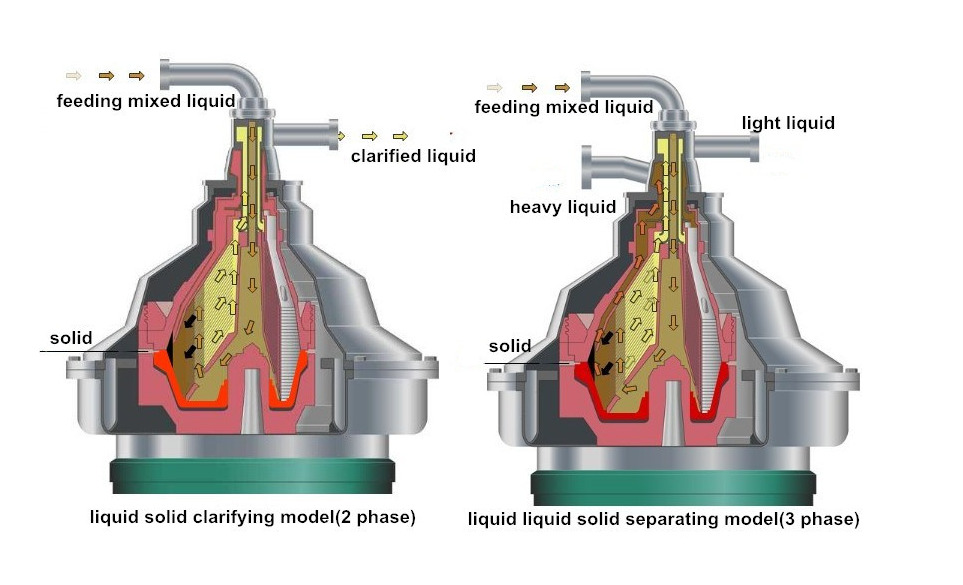
Industrial separation processes increasingly depend on accurate control, consistent output, and reduced operator intervention. As production systems become more connected, automation and monitoring technologies are playing a larger role in maintaining stable centrifuge performance.
A Disc Centrifuge can benefit from automated control systems that track important operating conditions and respond to process changes. Combining mechanical separation with continuous monitoring can make operation more predictable and help operators identify potential issues earlier.
Maintaining Consistent Operating Conditions
Centrifugal separation depends on several variables working within suitable ranges. Changes in rotational speed, feed rate, temperature, or pressure can influence separation results.
Automated controls can help maintain predefined operating parameters, reducing unnecessary fluctuations during continuous processing. This is particularly useful when production conditions change throughout a shift.
Monitoring Critical Equipment Parameters
Modern monitoring systems can collect information from multiple sensors while the centrifuge is operating. Common parameters include:
- Bowl speed
- Vibration
- Temperature
- Feed pressure
- Discharge conditions
- Motor performance
Continuous data collection gives operators a clearer understanding of how equipment is performing compared with relying only on periodic manual checks.
Detecting Abnormal Conditions Earlier
Unexpected vibration, rising temperature, or unusual motor behavior may indicate developing mechanical or process problems. Monitoring systems can detect changes and generate alerts when measured values move outside established limits.
Early detection gives maintenance teams more time to investigate the cause. Addressing an abnormal condition before a major failure occurs can help reduce unplanned production interruptions.
Improving Feed Control
Feed conditions have a direct effect on separation performance. Variations in flow rate, solids concentration, viscosity, and temperature can change the load placed on the centrifuge.
Automated feed-control systems can adjust flow according to process requirements or provide operators with real-time information when conditions change. This helps maintain a more stable material flow through the separation system.
Supporting Automated Discharge
For processes involving solids removal, automated discharge can reduce the need for frequent manual intervention. The control system can manage discharge cycles according to operating conditions or predefined schedules.
Consistent discharge helps prevent excessive solids accumulation inside the bowl, which can otherwise influence separation efficiency and equipment balance.
Using Data for Preventive Maintenance
Automation does more than control equipment; it can also generate useful maintenance information. Historical records of vibration, temperature, operating hours, and other parameters can help identify gradual changes in machine behavior.
For example, a slow increase in vibration over time may indicate that an inspection is warranted even if the equipment is still operating. This approach supports condition-based maintenance rather than relying entirely on fixed service intervals.
Reducing Operator Workload
Automation can handle repetitive monitoring and control tasks that would otherwise require constant attention. Operators can focus more on reviewing process conditions, responding to alarms, and making decisions that require practical judgment.
This does not eliminate the need for trained personnel. Instead, automation provides operators with better information and allows them to concentrate on higher-value activities.
Improving Process Safety
High-speed rotating equipment requires careful attention to operating conditions. Monitoring systems can help identify abnormal vibration, excessive temperature, pressure changes, or other conditions that may require immediate attention.
Protective controls can also be configured to initiate appropriate responses when critical limits are reached. The exact safety functions depend on the equipment design and control architecture.
Integrating With Plant Control Systems
Modern centrifuges can be incorporated into broader industrial control environments. Communication between the centrifuge and plant-level systems can allow operators to monitor separation equipment alongside pumps, tanks, valves, and other process units.
This integration can make it easier to coordinate different stages of production and maintain a consistent overall process flow.
Choosing the Right Automation Level
Not every application requires the same degree of automation. A suitable system should reflect production volume, process complexity, safety requirements, labor availability, and maintenance capabilities.
Equipment from suppliers such as Shenzhou Machinery may be evaluated alongside the required control functions to determine whether basic monitoring, automatic regulation, or a more comprehensive control system is appropriate.
Conclusion
Automation and monitoring can significantly improve disc centrifuge operation by providing continuous information, maintaining stable conditions, identifying abnormal behavior, and supporting preventive maintenance. These capabilities are especially valuable in continuous industrial processes where consistency and equipment availability are important.
When properly designed and integrated, automated control does not replace operator expertise. Instead, it gives operators better visibility and more effective tools for maintaining reliable separation performance over the long term.
About Post Author




More Stories
Essential Mining Substation Equipment for Safe and Reliable Power Distribution
How TikTok Creator Tools Help Creators Analyze Performance and Increase Engagement
Wudu Basin Installation: Important Measurements and Plumbing Considerations