

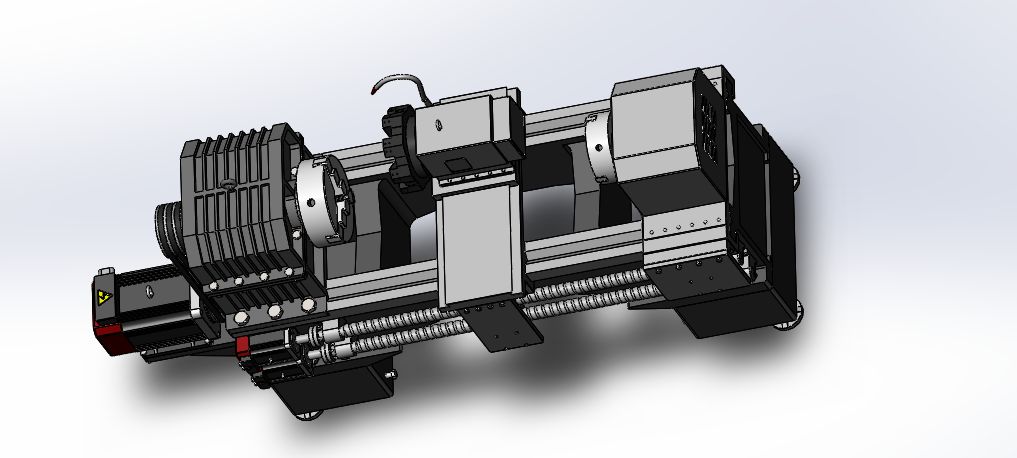
Buying a CNC lathe is an important investment for any manufacturing business. The right machine can improve production efficiency, machining accuracy, and long-term operating costs, while an unsuitable model may create unnecessary limitations.
Before choosing a CNC Lathe Machine for Sale, buyers should look beyond the purchase price. Factors such as machine specifications, workpiece requirements, control systems, tooling, maintenance, and after-sales support can all affect the machine’s overall value.
Understand Your Production Requirements
The first step is to identify what the machine will actually be used to produce. Different components require different combinations of spindle capacity, turning diameter, machining length, and tooling options.
Consider the materials you commonly machine, expected production volumes, component dimensions, and required tolerances. A machine designed around your actual workload is generally more useful than one selected simply because it has higher specifications.
Check Machine Size and Capacity
CNC lathes are available in a wide range of configurations. Before purchasing, compare the machine’s working envelope with the dimensions of your typical workpieces.
Important specifications may include:
- Maximum turning diameter
- Maximum turning length
- Spindle bore
- Chuck size
- Spindle speed range
- Machine travel
- Maximum workpiece weight
Allowing some capacity beyond your current requirements can also provide flexibility if production needs increase later.
Evaluate Spindle Performance
The spindle has a direct effect on cutting performance and productivity. Its speed, power, torque, and available speed range should match the materials and operations you expect to perform.
High-speed machining may be useful for certain smaller components, while applications involving larger or harder materials may place greater emphasis on spindle torque and power.
Consider the CNC Control System
The control system determines how operators program, set up, and monitor machining operations. A familiar and practical interface can reduce training requirements and make everyday production easier.
When comparing machines, consider programming compatibility, operator interface, tool offset management, diagnostic functions, and support for features such as canned cycles or conversational programming.
Examine Tooling and Automation Options
Tool capacity can have a major impact on production efficiency. A machine with an appropriate turret configuration can reduce the number of tool changes and simplify multi-operation machining.
For higher-volume manufacturing, buyers may also consider options such as automatic bar feeders, chip conveyors, parts catchers, probing systems, and robotic loading. These additions can reduce manual intervention when they are properly matched to the production process.
Assess Accuracy and Repeatability
Machining accuracy is particularly important when components must meet tight dimensional specifications. However, advertised accuracy should not be considered in isolation.
Environmental conditions, machine setup, tooling, workholding, operator practices, and maintenance can all influence actual machining results. Buyers should therefore review both the manufacturer’s specifications and the conditions under which those specifications are achieved.
Look at Machine Construction
The physical construction of a CNC lathe influences its rigidity, stability, and resistance to vibration. Features such as the machine bed, guideways, spindle structure, and overall frame design deserve attention.
A rigid machine can provide a more stable cutting process, particularly when machining difficult materials or performing heavier cutting operations.
Calculate the Total Cost of Ownership
Purchase price is only one part of the investment. Operating expenses can include tooling, electricity, coolant, maintenance, replacement components, software, and operator training.
A useful comparison should therefore consider the expected cost of ownership over several years rather than focusing exclusively on the initial purchase price.
Review Maintenance Requirements
Regular maintenance is essential for maintaining machining performance. Before purchasing, find out how frequently major components require inspection, lubrication, calibration, or replacement.
It is also worth checking how easily technicians can access service points and whether commonly required replacement parts are readily available.
Consider Technical Support
Reliable technical support can become especially important when a machine is integrated into an active production environment. Clear documentation, troubleshooting assistance, training, and access to service personnel can help minimize disruptions.
The availability of spare parts should also be considered, particularly for businesses that depend on continuous machine utilization.
Compare New and Used CNC Lathes
A used CNC lathe can offer lower upfront costs, but its condition should be evaluated carefully. Buyers should inspect the spindle, guideways, chuck, turret, control system, hydraulic components, and electrical systems.
For a used machine, maintenance history and previous operating conditions can provide valuable information about its remaining service life.
Think About Future Production Needs
Manufacturing requirements can change as a business grows. A machine that meets today’s needs may become restrictive if production volumes increase or new component types are introduced.
Before making a purchase, consider whether the machine can accommodate additional tooling, automation equipment, software functions, or future production requirements.
Make a Practical Comparison
After identifying your requirements, create a comparison based on the specifications that genuinely affect your operations. Avoid choosing a machine solely because it offers the largest capacity or the greatest number of features.
A balanced evaluation of performance, reliability, usability, maintenance, support, and total operating costs can lead to a more informed purchasing decision.
Conclusion
Choosing a CNC lathe requires more than comparing prices and basic specifications. Buyers should evaluate machine capacity, spindle performance, control systems, tooling, accuracy, construction, maintenance, support, and long-term operating costs.
By matching the machine to current production requirements while allowing room for future needs, manufacturers can make a more practical investment and establish a reliable foundation for efficient CNC machining.
About Post Author




More Stories
Essential Mining Substation Equipment for Safe and Reliable Power Distribution
How TikTok Creator Tools Help Creators Analyze Performance and Increase Engagement
Wudu Basin Installation: Important Measurements and Plumbing Considerations