

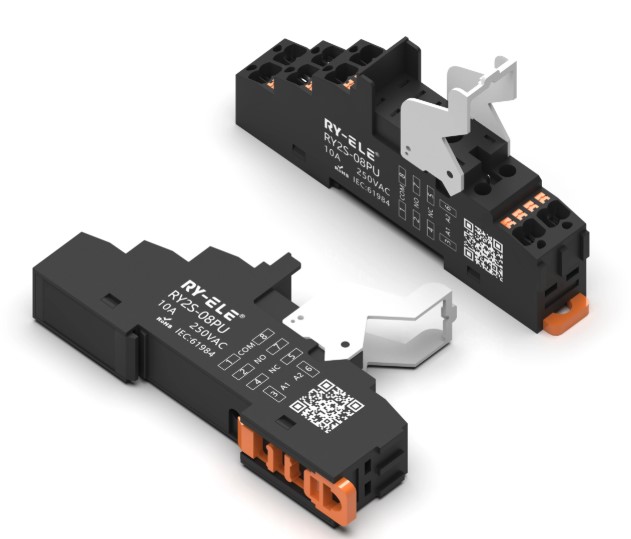
Reliable electrical connections matter in industrial control boards because even a small connection problem can affect the performance of an entire system. Relay sockets provide a practical interface between relays and printed circuit boards while supporting secure electrical contact and easier component servicing.
A well-designed PCB relay socket helps maintain a stable connection between the relay and PCB. It also allows technicians to replace compatible relays without repeatedly soldering components directly to the board, which makes maintenance more convenient in industrial equipment.
What Does a PCB Relay Socket Do?
A relay socket provides the connection point where a relay attaches to a control board. It transfers electrical signals between the relay terminals and the PCB while keeping the relay properly positioned.
The socket also creates a standardized interface. This approach helps designers organize relay connections and simplifies replacement when equipment requires inspection or servicing.
How Does a Socket Improve Connection Reliability?
Connection reliability depends on several factors, including contact quality, mechanical stability, and compatibility. A properly selected socket keeps relay terminals firmly connected and reduces the likelihood of loose connections caused by movement or repeated servicing.
The socket also separates the relay from direct soldered attachment. This arrangement helps reduce unnecessary stress on PCB solder joints when technicians replace relays during maintenance.
Secure Contact Between Terminals
Quality socket contacts provide a consistent electrical path between the relay and circuit board. Proper contact pressure helps maintain electrical continuity during normal equipment operation.
Contact materials and surface finishes also influence conductivity and resistance to corrosion. Engineers should therefore review the manufacturer’s technical specifications before selecting a socket for demanding applications.
Why Mechanical Stability Matters
Industrial control equipment may experience vibration, movement, or repeated maintenance. A socket with suitable mechanical construction helps keep the relay securely positioned during operation.
The physical fit between the relay and socket also matters. A compatible design should hold the relay firmly without creating unnecessary stress on the terminals.
How Does a Socket Help Protect the PCB?
Directly soldering and desoldering relays repeatedly can place stress on PCB pads and traces. Excessive servicing may eventually affect the condition of solder joints or board connections.
A socket provides a removable interface. Technicians can normally remove the compatible relay from the socket instead of repeatedly working on the PCB itself.
This feature becomes especially useful in industrial systems that require periodic relay replacement or troubleshooting.
Choosing the Correct Socket Specifications
Electrical reliability starts with selecting a socket that matches the relay and the board. Engineers should review both the relay datasheet and socket specifications before finalizing a design.
Important specifications include:
- Relay pin configuration
- Number of terminals
- Contact rating
- Insulation characteristics
- PCB footprint
- Terminal spacing
- Operating temperature range
- Housing and contact materials
Matching these specifications helps avoid installation problems and supports consistent electrical performance.
Consider the Control Board Layout
A socket must fit the available space on the PCB. Crowded control boards require careful attention to component spacing, socket dimensions, and access for future maintenance.
Designers should also consider clearance around the relay and neighboring components. Adequate space supports inspection and helps technicians remove components without interfering with nearby parts.
Environmental Conditions Also Matter
The operating environment can influence connection performance. Industrial control boards may encounter temperature variations, humidity, vibration, dust, or electrical interference.
Before selecting a socket, consider the conditions under which the control board will operate. The chosen component should have specifications that suit the expected environment and equipment requirements.
How RY-ELE Supports Relay Connection Applications
RY-ELE provides relay-related components for applications that require dependable switching and control connections. Its product range gives control system designers options for integrating relay components into different PCB-based systems.
When evaluating products from RY-ELE, engineers can compare technical specifications with their relay models, board layouts, and operating requirements to identify a suitable connection solution.
Maintenance Benefits of Using a Relay Socket
Maintenance teams often value sockets because they make relay replacement more straightforward. A technician can remove the relay from its socket and install a compatible replacement without modifying the PCB.
This design can help reduce service complexity and shorten equipment downtime. It also supports easier troubleshooting when a relay requires testing or replacement.
Final Thoughts
A relay socket supports reliable electrical connections by combining secure contact, mechanical stability, and a practical interface between the relay and PCB. Its removable design also helps protect the control board from repeated soldering and servicing.
For industrial control applications, engineers should evaluate electrical ratings, relay compatibility, PCB dimensions, materials, and environmental requirements before making a selection. Careful specification matching helps create dependable connections and supports easier maintenance throughout the equipment’s service life.
About Post Author




More Stories
The Role of Xprinter Thermal Printers in Improving Retail Checkout Efficiency
How to Identify High-Quality Tissue Culture Plants Before Purchasing
Understanding Acoustic Panel Specifications Before Placing a Bulk Order