

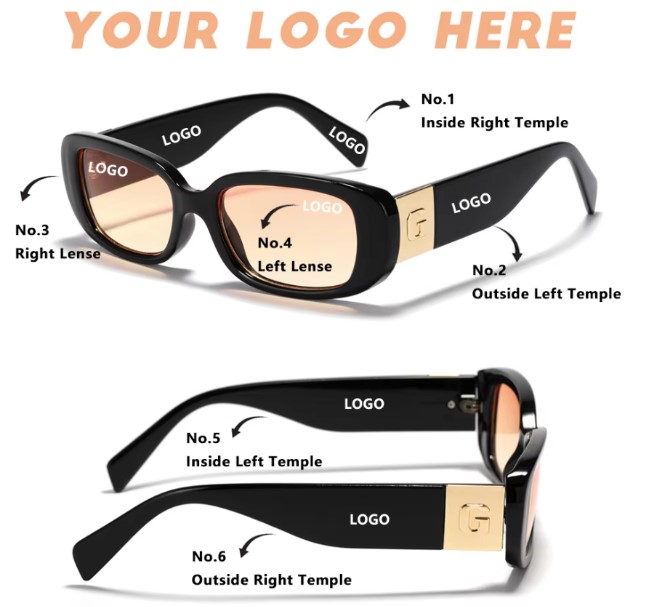
Private label sunglasses allow eyewear brands to sell products under their own name without managing every stage of manufacturing themselves. The process usually involves product selection, branding, customization, sampling, production, and quality checks.
A reliable custom sunglasses factory works closely with the brand throughout these stages. Eugenia Eyewear, for example, represents the type of manufacturing partner brands may consider when they need customized eyewear production and private label support.
What Is a Private Label Sunglasses Order?
A private label order involves manufacturing sunglasses for a brand that sells the finished products under its own name. The factory handles the production while the brand controls its identity, product positioning, and customer experience.
Depending on the supplier, private label services may include frame customization, logo application, lens selection, packaging, and other product details.
This approach gives brands greater control over their collections without requiring them to establish their own manufacturing facilities.
Step 1: The Brand Shares Its Requirements
The process usually starts with a detailed discussion about the brand’s needs. The manufacturer needs enough information to understand the desired product and production expectations.
The brand may provide:
- Frame designs or reference samples
- Preferred materials
- Lens specifications
- Brand logo files
- Color requirements
- Packaging concepts
- Target order quantities
- Desired delivery schedule
Clear specifications help the factory prepare an accurate production plan.
Step 2: The Factory Reviews the Designs
Once the manufacturer receives the requirements, its team evaluates whether the requested designs fit its production capabilities.
The factory may review frame dimensions, materials, construction details, logo placement, lens options, and other technical elements. It may also suggest adjustments that improve manufacturability without changing the overall design concept.
This stage helps identify potential issues before the brand invests in a larger production run.
Step 3: Product Samples Are Developed
Sampling gives the brand an opportunity to evaluate the proposed sunglasses before mass production begins.
The factory creates samples according to the agreed specifications. The brand can then review the frame shape, fit, finish, colors, lenses, branding, and other details.
Several rounds of adjustments may take place when the first sample does not fully match the original requirements.
Step 4: Branding Details Are Added
Private label manufacturing requires more than producing the sunglasses themselves. The factory also needs to apply the brand’s identity accurately.
Depending on the order, branding may involve:
- Logo placement on frames
- Printed or engraved brand marks
- Custom lens branding
- Branded cases
- Cleaning cloths
- Custom boxes
- Product labels
The brand should approve all important artwork and placement details before bulk production starts.
Step 5: Materials and Components Are Confirmed
After sample approval, the manufacturer confirms the materials and components required for the production order.
The factory may need to secure specific frame materials, lenses, hinges, nose pads, logos, packaging, and other components.
Using the same approved specifications throughout production helps maintain consistency between the sample and the final order.
Step 6: Bulk Production Begins
Once the specifications receive final approval, the factory moves into bulk manufacturing.
Production typically follows an organized workflow that may include frame preparation, component assembly, lens installation, branding, finishing, and packaging.
The exact process depends on the design, materials, factory equipment, and order requirements.
Step 7: Quality Checks Take Place
Quality control plays an important role in private label production because the finished sunglasses carry the brand’s reputation.
Manufacturers may inspect products for issues such as:
- Frame alignment
- Surface imperfections
- Lens positioning
- Hinge operation
- Logo accuracy
- Color consistency
- Overall finish
Factories may conduct inspections at different points during production and before shipment.
Step 8: Products Are Packaged for Shipment
After production and inspection, the sunglasses move into the packaging stage.
Private label brands may request individual boxes, protective cases, cleaning cloths, labels, or other packaging components. The factory organizes these elements according to the approved specifications.
Proper packaging helps protect the products during transportation while maintaining a consistent presentation for customers.
How Does the Factory Manage Design Changes?
Design changes often occur during the development stage. A brand may adjust a frame color, change a logo position, modify lens specifications, or request a different packaging option.
A professional factory should document approved changes carefully. Written specifications, updated artwork, and confirmed samples help prevent older versions from entering production.
Brands should avoid making major changes after bulk manufacturing starts because modifications at that stage may increase costs or cause delays.
How Are Minimum Order Quantities Managed?
Private label factories often establish minimum order quantities for custom products. The required quantity may vary depending on the design, materials, branding process, and production setup.
Brands should ask about MOQs before finalizing a design. Understanding these requirements early helps businesses plan inventory and budget more effectively.
Smaller brands may benefit from discussing multiple designs, repeat orders, or other production arrangements with the manufacturer.
What Should Brands Ask Before Placing an Order?
A brand should understand the manufacturing process before making a significant commitment.
Useful questions include:
- What customization options does the factory provide?
- What materials and lens types can it supply?
- What minimum quantities apply to private label orders?
- How does the sampling process work?
- How long does bulk production usually take?
- What quality checks does the factory perform?
- What packaging options can the brand customize?
- How does the factory handle design revisions?
Detailed answers make it easier to compare suppliers and choose a suitable manufacturing partner.
Why Communication Matters in Private Label Manufacturing
Private label production involves many small details. A minor misunderstanding about a logo, color, measurement, lens specification, or packaging requirement can affect the final product.
Strong communication helps both sides keep the project organized. Brands should provide clear instructions and review samples carefully, while manufacturers should communicate questions, limitations, and production updates promptly.
A documented approval process provides additional protection against avoidable mistakes.
Choosing the Right Manufacturing Partner
The right factory should match your product requirements rather than simply offer the lowest quotation.
Consider its customization capabilities, sample quality, production experience, communication standards, quality control procedures, order quantities, and ability to support future collections.
Eugenia Eyewear can be considered by brands researching private label and customized eyewear manufacturing options.
Final Thoughts
A private label sunglasses order usually moves through several stages, starting with product requirements and design discussions and continuing through sampling, branding, bulk production, quality inspection, and packaging.
Brands can make the process smoother by preparing detailed specifications, approving samples carefully, documenting design changes, and communicating clearly with the manufacturer. Choosing a factory that understands both production requirements and brand expectations can also support more consistent results as the eyewear collection grows.
About Post Author


More Stories
The Role of Xprinter Thermal Printers in Improving Retail Checkout Efficiency
How to Identify High-Quality Tissue Culture Plants Before Purchasing
Understanding Acoustic Panel Specifications Before Placing a Bulk Order