

Outdoor sports provide an enjoyable way for children, teenagers, and adults to stay active while developing teamwork and coordination. Games that combine running, throwing, catching, and hitting can make physical activity more engaging for participants with different skill levels. Rounders is one such traditional team sport, commonly played in schools, sports clubs, parks, and recreational settings.
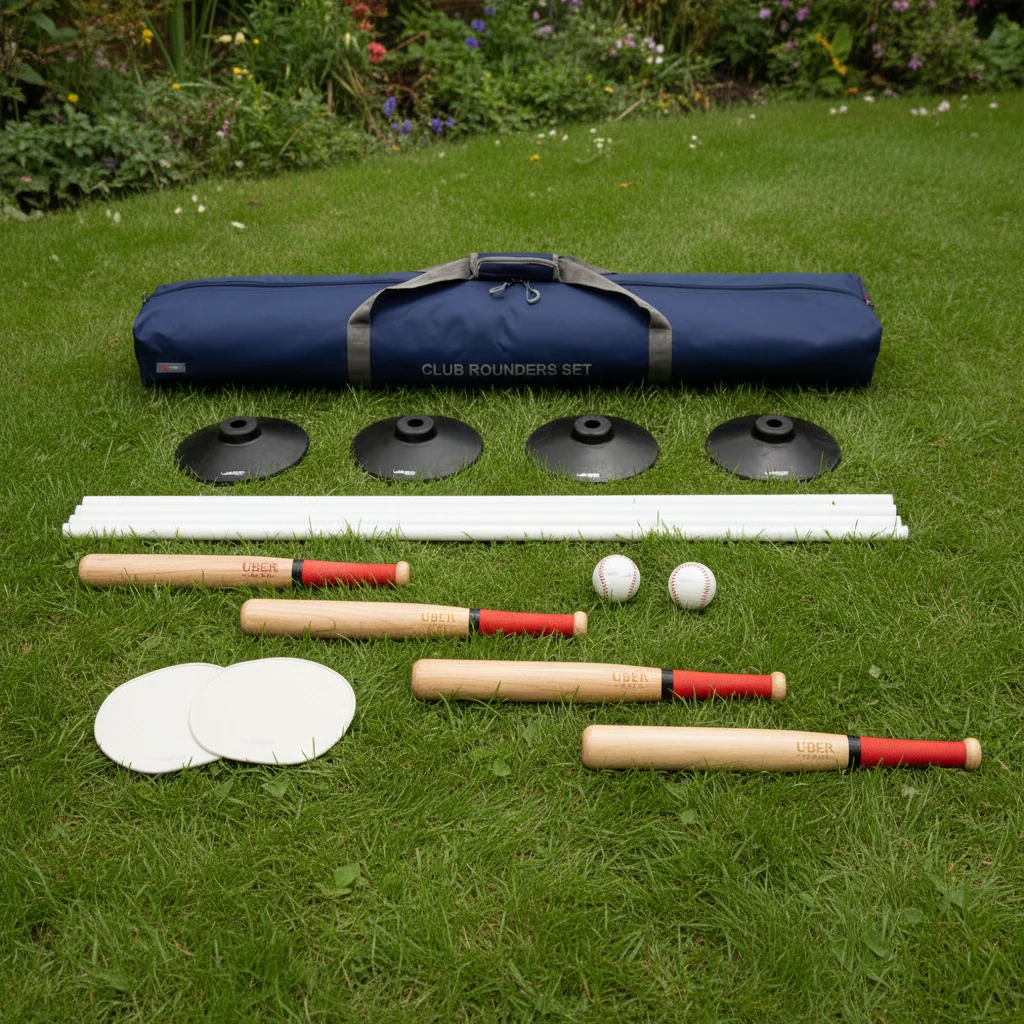
Having the right Rounders Game Set helps organizers prepare a suitable playing area and ensure that participants have the equipment needed for a successful match. A complete set generally includes bats, balls, and bases or posts, although the exact contents can vary between products. Understanding the purpose of each component makes it easier to select equipment for school lessons, organized competitions, and casual outdoor games.
What Is Rounders?
Rounders is a bat-and-ball team sport in which players take turns batting and fielding. The batting team attempts to hit the ball and run around a series of bases, while the fielding team works to retrieve the ball and prevent runners from scoring.
The game is known for its straightforward format and active gameplay. Players need to combine several skills, including:
- Batting accuracy
- Throwing and catching
- Running speed
- Hand-eye coordination
- Communication and teamwork
- Awareness of other players and the game situation
Rounders can be adapted for different age groups and playing environments. Schools often use simplified rules when introducing beginners, while sports clubs may follow more structured regulations.
Essential Components of a Rounders Game Set
A suitable set should provide the main equipment needed to organize a game. Before purchasing, check the product description carefully because not every kit contains identical accessories.
1. Rounders Bat
The bat is used by the batter to strike the ball into the playing area. It is generally designed with a comfortable handle and a hitting surface that allows players to make controlled contact.
When selecting a bat, consider:
- Material: Wooden and other manufactured designs are available, depending on the product.
- Weight: The bat should be manageable for the intended age group.
- Grip: A comfortable handle helps players maintain control.
- Length and shape: Dimensions should suit the participants and the rules being used.
- Construction: A well-made bat should have a smooth finish and no obvious cracks or damaged areas.
For school activities, lightweight and easy-to-handle bats may be preferable for younger participants.
2. Rounders Ball
The ball is central to the game and must be suitable for the players’ age, ability, and playing environment.
A rounders ball should be easy to grip, throw, and catch. Its size, weight, and construction can affect how it travels through the air and how comfortably players can handle it.
When choosing a ball, examine its surface, stitching or outer construction, durability, and suitability for the intended activity.
3. Bases or Posts
Bases mark the positions that runners must reach as they move around the playing area. Depending on the rules and equipment design, these may be represented by posts, markers, or other suitable fixtures.
A clear layout helps players understand the running route and allows fielders to organize their positions.
Look for bases that are:
- Clearly visible from different parts of the field
- Stable when positioned
- Suitable for the playing surface
- Easy to transport and store
- Appropriate for the age group using them
4. Carrying or Storage Bag
Some sets include a bag for keeping the equipment together. This is particularly useful for teachers, coaches, and sports organizers who need to transport equipment between locations.
A storage bag can help prevent smaller accessories from becoming misplaced and make it easier to prepare for future sessions.
5. Additional Accessories
Depending on the product, a complete kit may include extra markers, boundary equipment, or instructions. These accessories can make setup easier, particularly when the game is being introduced to beginners.
Always confirm which items are included rather than assuming that every set contains the same components.
Why Quality Equipment Matters in Organized Sports
Equipment quality can influence the comfort, safety, and consistency of a rounders session. Products used regularly in schools and clubs need to withstand repeated handling and transportation.
Supports Consistent Gameplay
Bats and balls with suitable dimensions and construction help create a more consistent playing experience. This is particularly important when players are practicing batting, throwing, and catching techniques.
Makes Organization Easier
Clearly visible bases and properly arranged equipment help teachers and coaches explain the playing area. Participants can understand where to run, where to stand, and how the game progresses.
Encourages Participation
Equipment that is comfortable to handle can make beginners feel more confident. When players can use appropriately sized bats and manageable balls, they may find it easier to participate in group activities.
Helps Equipment Last Longer
Durable materials and proper maintenance can reduce the need for frequent replacements. This is valuable for schools and clubs that use their sports equipment throughout the year.
Choosing the Right Rounders Set for Different Environments
The most suitable kit depends on where it will be used, how many people will participate, and how frequently the equipment will be needed.
For Schools
Schools often require equipment that can accommodate different classes and ability levels. A practical set should be easy to organize, transport, and store.
Teachers may benefit from kits with clearly identifiable bases, comfortable bats, and balls suitable for the students’ age groups.
For Sports Clubs
Clubs may use their equipment for regular training sessions and organized matches. Durability, consistent dimensions, and reliable construction are important considerations.
It can also be useful to have additional balls and spare equipment available for sessions involving several players.
For Community Events
Community activities often bring together participants with different levels of experience. A simple, easy-to-use set can help organizers introduce the sport without requiring complicated preparation.
Clearly marked bases and accessible instructions can make the activity easier for newcomers to understand.
For Family Recreation
Families may prefer a straightforward kit that can be used in suitable outdoor spaces. Lightweight equipment and easy storage can make it more convenient to take the game to parks, gardens, or recreational areas.
For younger players, adjust the playing area and rules as appropriate, and provide adult supervision.
How to Choose a Suitable Rounders Bat
The bat deserves particular attention because players use it repeatedly throughout a match.
Consider Weight and Balance
A bat should feel manageable when held and swung. A bat that is too heavy may be difficult for younger players to control, while a suitable balance can support more comfortable movement.
Examine the Handle
The handle should provide a secure and comfortable grip. Smooth finishing and an appropriate shape can help players maintain control during a swing.
Check the Surface
Inspect the hitting surface for cracks, splinters, rough areas, or other visible damage. A properly finished surface is more comfortable to handle and easier to maintain.
Match the Bat to the Players
Different age groups may need different equipment sizes. Always review the manufacturer’s specifications and recommendations before choosing a bat for children or beginners.
Understanding the Playing Area and Basic Setup
A well-organized playing area makes rounders easier to understand and helps prevent confusion during a match.
The field is arranged with a sequence of bases that form the running route. Players should be able to identify each base clearly, and the batting and fielding areas should be established before play begins.
For a recreational game, organizers should:
- Select a flat, open area with enough room for running and fielding.
- Position the bases according to the rules being used.
- Identify the batting position and fielding area.
- Check that there are no obstacles, holes, or other hazards.
- Explain the running route to all participants.
- Establish boundaries and any simplified rules before starting.
The exact layout can vary depending on the competition format, age group, and available space. Organized matches should follow the relevant governing rules.
Basic Rounders Gameplay
Although local variations exist, the basic structure of rounders is relatively easy to understand.
Teams and Roles
Two teams take part in a match. One team bats while the other fields. The teams change roles according to the rules and the progress of the game.
Batters attempt to strike the ball and run around the bases. Fielders retrieve the ball and try to prevent runners from completing their route.
Batting
The batter attempts to hit a delivered ball into the playing area. After making a suitable hit, the batter runs toward the bases while fielders work to collect the ball.
Running Between Bases
Players follow the designated route and attempt to reach bases safely. Running decisions depend on the ball’s position, the fielders’ actions, and the rules of the match.
Fielding
Fielders spread across the playing area to collect the ball, return it, and limit the batting team’s opportunities to score.
Scoring
Points are awarded according to the rules being followed and the progress a batter makes around the bases. Different formats may use specific scoring conditions, so organizers should explain the relevant system before play begins.
Educational and Physical Benefits of Playing Rounders
Rounders is more than a recreational activity. It can support several aspects of physical development and social learning.
Improves Hand-Eye Coordination
Batting requires players to follow the ball and coordinate their movements to make contact. Catching and throwing also involve visual tracking and controlled hand movements.
Develops Running Skills
Moving between bases gives participants opportunities to practice acceleration, direction changes, and controlled movement.
Encourages Teamwork
Players need to communicate, share responsibilities, and cooperate with teammates. Fielders must coordinate their positions, while batters make decisions based on the actions of others.
Builds Strategic Thinking
Participants learn to assess the playing situation and decide when to run, where to throw, and how to position themselves. These decisions introduce basic tactical thinking.
Promotes Active Participation
The combination of batting, running, catching, and fielding encourages movement throughout a session. It can be a useful addition to physical education programs and outdoor recreation.
Develops Sportsmanship
Following rules, taking turns, accepting decisions, and respecting other participants can help reinforce positive sporting behavior.
Safety Considerations When Organizing a Rounders Match
Safety should be considered before equipment is distributed and play begins, especially when children are participating.
- Inspect the playing surface: Remove obstacles, loose objects, and anything that could cause trips or falls.
- Check the equipment: Do not use damaged bats, cracked balls, or unstable bases.
- Create safe spacing: Keep spectators and waiting players away from the batting and running areas.
- Explain the rules: Make sure participants understand when to bat, run, and field.
- Use suitable equipment: Select bats and balls that match the players’ age and abilities.
- Encourage warm-ups: Gentle movement before playing can help prepare participants for physical activity.
- Provide supervision: Teachers, coaches, or responsible adults should monitor sessions involving children.
- Allow adequate breaks: Provide water and rest periods, particularly during warm weather.
A clear explanation of the game and its safety expectations can help everyone participate more confidently.
Maintaining a Rounders Game Set
Regular maintenance keeps equipment in better condition and helps make it ready for future sessions.
Clean Bats and Balls
Remove dirt after use and follow the manufacturer’s care instructions. Avoid cleaning methods that could damage wooden surfaces or other materials.
Inspect Equipment Regularly
Check bats for cracks, loose parts, and rough edges. Examine balls for damage and make sure bases remain stable and easy to identify.
Store Equipment in a Dry Place
Moisture can affect some materials, especially wooden equipment. Store the kit in a dry, ventilated location away from prolonged exposure to direct sunlight and damp conditions.
Keep Components Together
Use a suitable storage bag or container to keep smaller items organized. This reduces the chance of losing balls, markers, or other accessories.
Replace Damaged Items
Equipment that is cracked, broken, or otherwise unsuitable should be removed from use and replaced when necessary.
What to Check Before Buying a Rounders Game Set Online
Online product listings can offer different combinations of equipment, so buyers should review the specifications carefully.
| Buying factor | What to check |
|---|---|
| Included components | Confirm the number of bats, balls, bases, and accessories |
| Bat construction | Review material, size, weight, and finish |
| Ball suitability | Check size, material, and intended age range |
| Base design | Look for visible, stable, and practical markers |
| Durability | Examine construction details and product information |
| Portability | Consider whether the kit includes a storage bag |
| Age suitability | Check manufacturer recommendations |
| Product dimensions | Confirm that equipment suits the planned activity |
| Care instructions | Review cleaning and storage recommendations |
Customer reviews can also provide useful information about product handling, durability, and overall convenience. For schools and clubs, it is worth considering whether the kit contains enough equipment for the planned number of participants.
Conclusion
A well-selected rounders kit provides the essential equipment for organized sports lessons, club activities, community events, and recreational play. Bats, balls, and bases each have an important role in setting up the playing area and supporting the basic activities of the game.
When choosing a Rounders Game Set, consider material quality, equipment dimensions, age suitability, included accessories, portability, and ease of maintenance. Matching the kit to the intended players and environment can make preparation easier and improve the overall experience.
With suitable equipment, clear rules, and attention to safety, rounders can offer an enjoyable way to develop physical skills, encourage teamwork, and bring people together through active outdoor play.
About Post Author



More Stories
The Role of Xprinter Thermal Printers in Improving Retail Checkout Efficiency
How to Identify High-Quality Tissue Culture Plants Before Purchasing
Freeze-Dried Cod: A Protein-Rich Ingredient for Healthy Pet Treats and Specialty Foods