

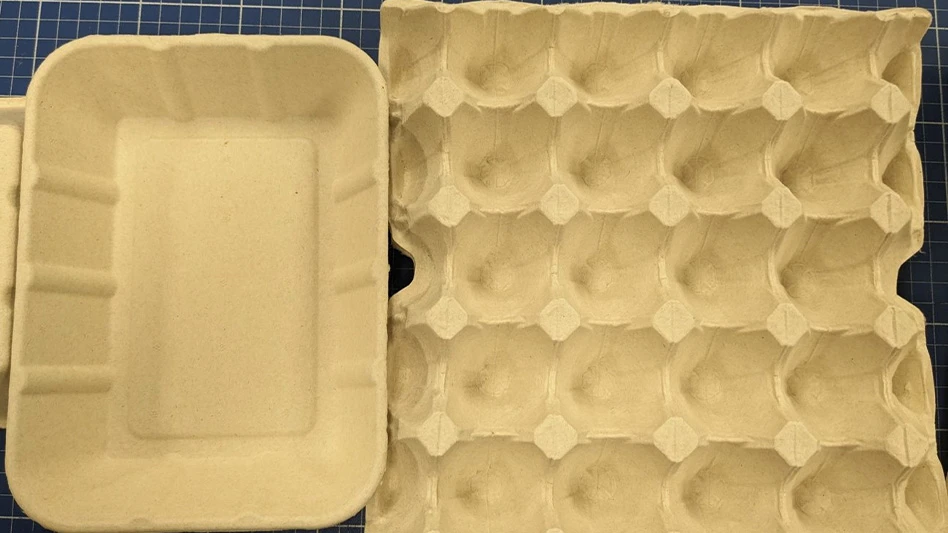
As industries worldwide shift toward more sustainable operations, packaging has become a key focus area for environmental improvement. Electronics, food, and consumer goods sectors are especially under pressure to reduce plastic use while maintaining product safety and efficiency. This has led to a growing demand for eco-friendly alternatives such as molded fiber solutions.
Modern packaging strategies increasingly rely on innovation, material efficiency, and environmental responsibility. In this context, paper pulp packaging has emerged as a versatile solution that meets both functional and sustainability requirements across multiple industries.
The importance of paper pulp packaging manufacturers continues to grow as businesses seek reliable partners capable of delivering durable, scalable, and environmentally responsible packaging solutions tailored to different product categories.
Table of Contents
TogglePaper Pulp Packaging in the Electronics Industry
The electronics industry requires packaging that provides strong protection against shock, vibration, and static damage. Devices such as smartphones, laptops, and accessories are highly sensitive and need carefully engineered packaging solutions.
Paper pulp packaging is widely used in this sector because it can be molded into precise shapes that securely hold electronic components in place. This reduces movement during transportation and significantly lowers the risk of damage.
Key advantages for electronics packaging include:
- Custom-fit protective inserts
- High shock absorption properties
- Reduced need for plastic foam materials
- Lightweight structure for efficient shipping
In addition to protection, molded pulp packaging also enhances brand presentation by offering a clean and professional appearance.
Role in the Food Industry
Sustainability in food packaging has become a major priority due to rising environmental awareness and regulatory pressure. Paper pulp packaging is increasingly used for both fresh and processed food applications because it is biodegradable and often made from recycled materials.
It is commonly used for items such as:
- Takeout containers
- Fruit and vegetable trays
- Egg cartons
- Bakery packaging
One of the key benefits in food applications is its ability to provide structural strength while remaining safe for direct or indirect food contact, depending on production standards. It also helps reduce reliance on single-use plastics commonly used in food delivery and retail packaging.
By adopting molded fiber solutions, food businesses can align with sustainability goals while maintaining practicality in storage and transportation.
Applications in Consumer Goods Packaging
The consumer goods industry covers a wide range of products, including cosmetics, personal care items, household goods, and retail merchandise. Each of these categories requires packaging that balances protection, branding, and cost efficiency.
Paper pulp packaging offers flexibility for customized designs, making it suitable for various consumer goods applications. It can be shaped to fit specific products, ensuring both safety and aesthetic appeal.
Common applications include:
- Cosmetic product inserts
- Household product trays
- Retail packaging protection
- Gift and premium packaging solutions
Its natural texture and clean appearance also enhance the unboxing experience, which is increasingly important for brand differentiation in competitive markets.
Sustainability Benefits Across All Industries
One of the most significant advantages of paper pulp packaging is its contribution to environmental sustainability. As businesses across electronics, food, and consumer goods sectors aim to reduce their environmental footprint, molded fiber packaging provides a practical solution.
Key environmental benefits include:
- Reduced plastic consumption
- Use of recycled raw materials
- Lower carbon emissions in production
- Biodegradability and recyclability
These benefits help companies meet regulatory requirements while also responding to consumer demand for greener packaging options.
Manufacturing Innovation and Industry Support
Manufacturers play a critical role in ensuring that paper pulp packaging meets the diverse needs of different industries. Advanced production technologies allow for precise molding, improved durability, and scalable output.
Leading suppliers continue to innovate in areas such as:
- Enhanced moisture resistance for food applications
- Improved structural strength for electronics protection
- High-precision molds for custom packaging designs
- Efficient production systems for large-scale demand
These innovations ensure that paper pulp packaging remains a viable alternative to plastic and foam-based materials across multiple sectors.
Meeting Industry-Specific Requirements
Each industry has unique packaging requirements, and molded fiber solutions must be adaptable to meet these needs. Electronics demand precision and shock resistance, food requires safety and hygiene, while consumer goods focus on branding and presentation.
Paper pulp packaging addresses these varied needs through customization, material engineering, and flexible design capabilities. This adaptability is one of the key reasons for its growing adoption globally.
Conclusion
Paper pulp packaging has become an essential solution for industries seeking sustainable, reliable, and cost-effective packaging alternatives. From protecting sensitive electronics to supporting food safety and enhancing consumer goods presentation, its versatility makes it suitable for a wide range of applications.
As environmental concerns continue to influence business decisions, the role of manufacturers becomes even more important. By delivering innovative and eco-friendly solutions, they help industries transition toward more sustainable packaging systems without compromising performance or quality.





More Stories
Future Innovations in Book Printing Manufacturer Technology and Services
Comparing the Best Portable Sound Machines for Noise Masking
Advantages of Using a Voice Coil Actuator for Precision Positioning