

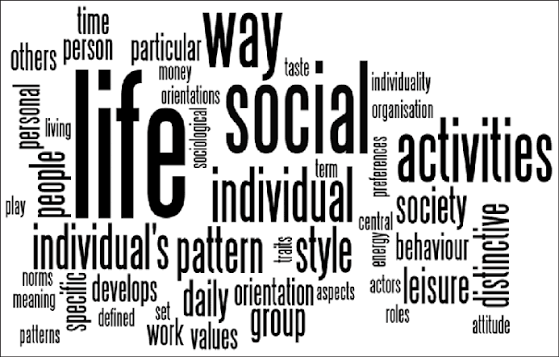
The way people live, work, communicate, and spend their free time continues to evolve. Technology, changing social expectations, environmental awareness, and new personal priorities have influenced everything from daily routines to home design and shopping habits. Modern lifestyle trends are not simply about adopting the latest products or ideas; they often reflect how people are adapting to changing needs and looking for greater convenience, comfort, and flexibility.
Keeping up with entertainment news can help readers discover cultural developments, popular interests, digital trends, and new forms of entertainment that influence everyday lifestyles. However, not every trend is suitable for everyone. Understanding the ideas behind these changes can help people choose what genuinely improves their lives rather than following trends simply because they are popular.
1. Flexible Work and Changing Daily Schedules
Flexible working arrangements have changed how many people organize their days. Remote and hybrid work options allow some professionals to complete tasks from home or other locations, reducing the need to commute every day.
This flexibility can provide opportunities to manage personal responsibilities, organize working hours, and create more comfortable environments. However, working remotely also requires discipline and clear boundaries. Without a defined schedule, professional tasks may continue into personal time.
Some useful habits for flexible work include:
- Creating a dedicated workspace.
- Establishing regular working hours.
- Taking scheduled breaks.
- Separating personal and professional activities.
- Maintaining communication with colleagues.
These practices can help people benefit from flexibility while maintaining a healthy routine.
2. More Thoughtful Shopping Habits
Many consumers are becoming more interested in purchasing items that offer lasting value rather than buying products simply because they are trending. This shift can influence clothing choices, home furnishings, technology, and everyday household purchases.
People may compare quality, consider how frequently an item will be used, and think about whether it fits their existing belongings. Shopping with a clear purpose can reduce unnecessary purchases while making budgets easier to manage.
A thoughtful shopping approach includes:
- Creating a list before purchasing.
- Comparing quality and practical features.
- Avoiding impulsive purchases.
- Choosing versatile products.
- Considering maintenance and durability.
These habits can make shopping more intentional and help people prioritize their actual needs.
3. Personal Style Is Becoming More Individual
Fashion trends continue to change, but many people are increasingly interested in developing styles that reflect their personality rather than copying every popular look. Comfortable clothing, versatile wardrobe pieces, and personal preferences are becoming important considerations when choosing everyday outfits.
Exploring fashion tips can help people learn how to combine colors, use accessories, experiment with layering, and create outfits suitable for different occasions. These ideas can be adapted to personal budgets and individual lifestyles.
A wardrobe built around versatile essentials can offer many styling possibilities. Instead of purchasing several items for one occasion, people can combine existing clothing in different ways and make more thoughtful choices when shopping.
4. Home Spaces Are Becoming More Multifunctional
Modern homes often serve several purposes. A living room may also function as a workspace, a bedroom may include a study area, and a small corner may be used for exercise or creative activities.
This makes organization and flexibility increasingly important. People may choose furniture that provides additional storage, create compact workstations, or rearrange rooms to support changing activities.
Small homes can also benefit from multifunctional solutions. Folding tables, storage containers, movable furniture, and well-organized shelves can make spaces more practical without requiring extensive renovation.
5. Digital Entertainment Is Changing Leisure Time
Streaming platforms, online games, podcasts, social media, and digital communities have transformed the way people spend their free time. Entertainment is now available across many devices, allowing people to choose what they watch, listen to, or participate in.
Digital entertainment offers convenience, but it can also encourage excessive screen time. Creating a balance between online activities and offline experiences is important.
Consider setting aside time for physical activities, outdoor experiences, reading, hobbies, and social interactions. This can help ensure that entertainment remains enjoyable rather than becoming the only way to spend free time.
6. Wellness Is Becoming Part of Everyday Routine
Wellness is increasingly viewed as a collection of everyday habits rather than occasional activities. People may focus on sleep, movement, hydration, balanced meals, relaxation, and maintaining relationships.
Simple routines can be easier to maintain than complicated plans. A regular walk, preparing meals at home, taking breaks from screens, or practicing a hobby may help people create more sustainable habits.
7. Experiences Are Becoming an Important Lifestyle Priority
Many people enjoy investing time in experiences such as travel, local events, workshops, outdoor activities, and social gatherings. These experiences provide opportunities to learn, explore, connect with others, and create memories.
Experiences do not need to be expensive. Exploring a local neighborhood, visiting a public park, attending a community event, or trying a new recipe can provide enjoyable opportunities for variety.
Conclusion
Modern lifestyle trends reflect changing priorities around flexibility, personal expression, convenience, wellness, and experiences. While technology and popular culture continue to influence everyday life, the most useful trends are those that support individual needs.
Rather than adopting every new idea, consider which changes improve your comfort, save time, encourage creativity, or help you connect with others. A modern lifestyle is not defined by how many trends you follow but by how thoughtfully you make choices that support the life you want to create.
About Post Author




More Stories
A Complete Guide to Neoprene Waist Bag Designs, Features, and Uses
How to Match Custom Latin Dance Shoes With Competition Outfits
What to Know About Minimum Orders When Working With Sheet Mask Suppliers