

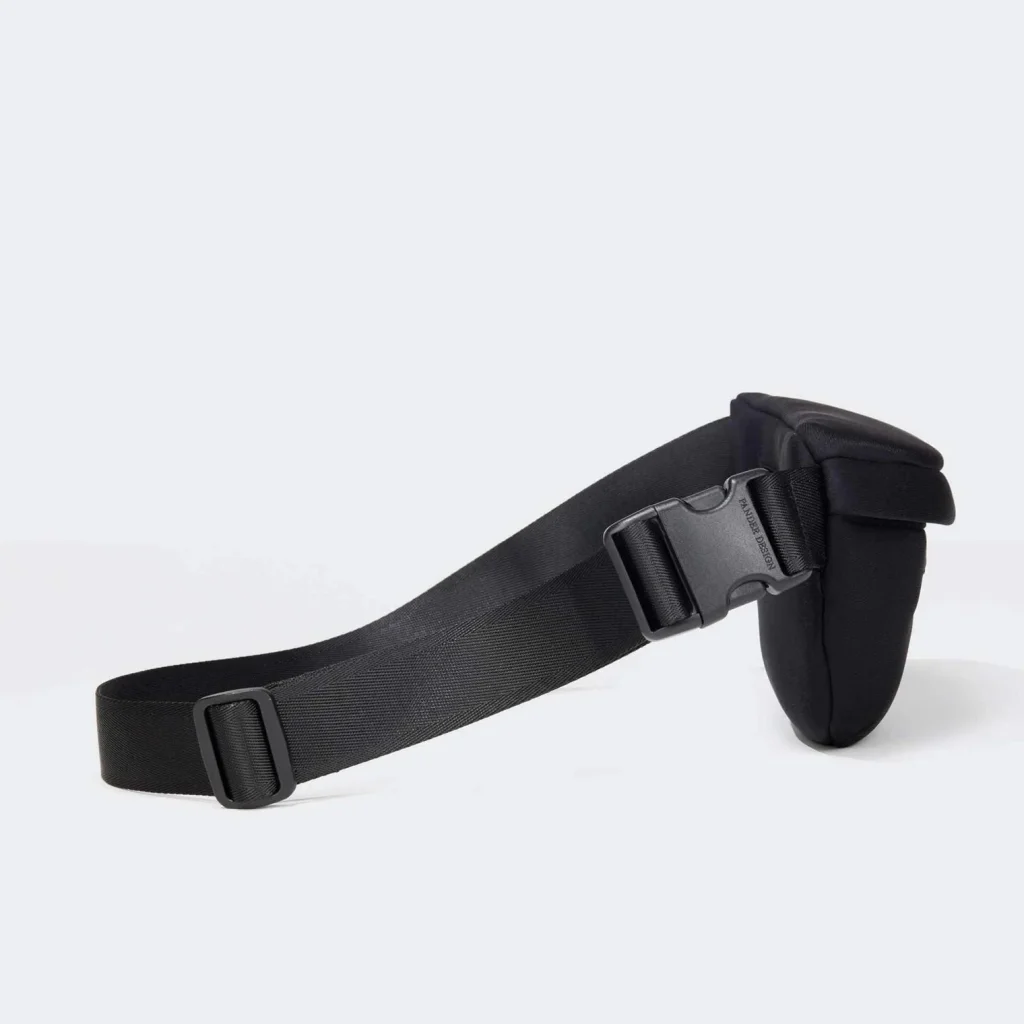
Choosing a suitable everyday bag depends on how much storage you need, how often you use it, and the level of comfort you expect. While backpacks and handbags remain common options, compact waist bags have become increasingly useful for people who prefer carrying essential belongings without unnecessary bulk. Their practical construction makes them suitable for commuting, traveling, shopping, and outdoor activities.
A Neoprene Waist Bag is one option that combines flexible material with a convenient carrying design. Neoprene is known for its soft texture, cushioning, and relatively lightweight structure. These characteristics allow manufacturers to create different styles of waist bags for various purposes. Understanding their designs, features, and applications can help buyers make informed decisions.
Understanding Neoprene as a Waist Bag Material
Neoprene is a synthetic rubber material used in various products that require flexibility, cushioning, and resistance to certain environmental conditions. It has a soft yet supportive structure, making it suitable for accessories designed to be worn close to the body.
In waist bag manufacturing, neoprene offers several practical characteristics:
- Flexibility: The material can adapt to movement without feeling excessively rigid.
- Lightweight construction: It helps keep compact bags comfortable to carry.
- Cushioning: Its padded structure provides an additional layer around stored belongings.
- Moisture resistance: It offers some resistance to water exposure, depending on the product’s construction.
- Design versatility: It can be manufactured in different shapes, thicknesses, and colors.
These properties make neoprene a useful material for everyday accessories, although the finished product’s quality also depends on manufacturing techniques and component selection.
Popular Neoprene Waist Bag Designs
Waist bags are available in different configurations to accommodate different carrying preferences and storage requirements. Understanding the main design variations can help identify a suitable option.
1. Classic Waist Bags
Classic waist bags feature a compact main compartment and an adjustable strap designed to fit around the waist.
They are suitable for people who want a straightforward storage solution for phones, wallets, keys, and other small personal items.
Their simple construction makes them useful for everyday errands, casual outings, and short walks.
2. Crossbody Waist Bags
Some waist bags feature longer adjustable straps that allow them to be worn across the chest or shoulder.
This carrying position has become popular in casual fashion because it provides convenient access to personal belongings while creating a contemporary appearance.
Crossbody designs are particularly useful for sightseeing, shopping, and everyday urban activities.
3. Multi-Compartment Waist Bags
Multi-compartment designs include additional pockets or separate storage sections.
These compartments help organize different belongings and prevent smaller accessories from becoming mixed together.
They can be useful for travelers and people who regularly carry several personal items.
4. Minimalist Waist Bags
Minimalist models focus on simple shapes, compact dimensions, and limited external details.
They are suitable for people who prefer lightweight accessories that complement casual clothing without adding unnecessary bulk.
Their smaller storage capacity makes them best suited to carrying basic daily essentials.
5. Sport-Oriented Waist Bags
Sport-oriented designs prioritize secure fastening, comfortable straps, and practical storage.
They are commonly used during walking, cycling, light exercise, and outdoor recreation. Their construction should support movement while keeping stored items reasonably secure.
Important Features of Neoprene Waist Bags
Although different designs serve different purposes, several features influence the overall functionality and usability of a waist bag.
Lightweight and Flexible Structure
A lightweight bag is easier to carry during extended activities. Neoprene provides a flexible structure that can move naturally with the body, making it suitable for accessories intended for regular use.
This is particularly useful when walking, traveling, or participating in recreational activities.
Adjustable Straps and Secure Fastening
An adjustable strap allows users to customize the fit according to their body size and wearing preference.
Look for durable buckles, secure attachment points, and a fastening system that is easy to operate. These details contribute to comfort and help prevent the bag from shifting unnecessarily.
Zipper and Compartment Quality
Zippers play an important role in keeping personal belongings stored securely. Smooth operation and reliable construction are important for accessories that are opened and closed frequently.
Additional pockets can also improve organization by separating electronics, documents, and smaller accessories.
Cushioning and Item Protection
Neoprene’s padded structure provides some cushioning for belongings stored inside the bag.
This can help reduce minor impacts caused by everyday handling. However, the level of protection depends on the material thickness, lining, and complete product construction.
Moisture Resistance
Neoprene offers some resistance to moisture, which can be useful during everyday outdoor activities.
However, this does not mean every neoprene waist bag is waterproof. Water may still enter through seams, zippers, and openings, so specific product specifications should be checked before use in wet environments.
Common Uses of Neoprene Waist Bags
The versatility of these accessories allows them to serve different purposes throughout the day.
Daily Commuting
For commuters, waist bags provide convenient storage for frequently used items such as smartphones, transportation cards, wallets, and keys.
Their compact construction makes them useful when carrying a full-size backpack is unnecessary.
Travel and Sightseeing
Travel often involves moving between airports, public transportation, shopping areas, and tourist attractions.
A waist bag can keep important belongings organized and accessible. Wearing it securely across the front of the body may also make it easier to monitor personal items in crowded environments.
Sports and Fitness Activities
Walking, jogging, cycling, and light exercise often require carrying only a few small necessities.
A properly fitted waist bag can provide convenient storage without the bulk of a larger accessory. Sport-oriented designs with secure straps are generally more suitable for these activities.
Outdoor Recreation
Hiking, camping, and casual outdoor trips may involve carrying compact personal belongings.
A waist bag can provide additional storage for keys, phones, snacks, and other small essentials, particularly during short walks when a larger backpack is not required.
Shopping and Social Outings
For shopping trips and casual gatherings, waist bags offer a convenient way to carry personal belongings while keeping hands free.
Different colors and styles also make it easier to coordinate the accessory with everyday clothing.
How to Choose the Right Neoprene Waist Bag
Selecting a suitable design requires considering both personal preferences and practical requirements.
Identify Your Storage Requirements
Start by listing the items you normally carry. If you only need space for a smartphone, wallet, and keys, a minimalist model may be sufficient.
People who travel frequently or carry additional accessories may benefit from a larger design with multiple compartments.
Consider Material Thickness and Quality
Neoprene thickness can influence the bag’s flexibility, cushioning, and overall structure.
Check the material quality, surface consistency, and finishing before purchasing. A suitable design should balance flexibility with enough structure to support its intended use.
Evaluate Comfort and Fit
The strap should be adjustable and comfortable for extended wear. Consider its width, buckle design, and attachment points.
If you prefer crossbody carrying, make sure the strap length supports that position.
Examine Manufacturing Details
A bag’s durability depends on more than its outer material. Pay attention to:
- Stitching consistency and seam reinforcement
- Zipper quality and smooth operation
- Buckle strength and strap connections
- Internal lining and compartment construction
- Overall finishing and material alignment
These details can provide a better understanding of the product’s expected performance.
Match the Design to Your Lifestyle
Choose a style that reflects your intended use. A minimalist design may be appropriate for casual outings, while a multi-compartment model may be more useful for travel.
For sports and outdoor activities, prioritize secure fastening, comfortable construction, and practical storage capacity.
Maintenance Tips for Longer Usability
Regular care can help maintain the appearance and functionality of a neoprene waist bag.
Consider these simple maintenance practices:
- Remove dust and surface dirt using a soft cloth.
- Follow the manufacturer’s recommended cleaning instructions.
- Avoid harsh detergents and excessive heat.
- Allow the bag to dry completely before storing it.
- Check zippers, buckles, and straps for signs of wear.
- Avoid overloading compartments beyond their intended capacity.
Proper maintenance can reduce unnecessary strain on the material and help preserve the product’s overall condition.
Neoprene Waist Bags Compared with Other Materials
Different materials offer different advantages, depending on the intended application.
| Material | Common characteristics |
|---|---|
| Neoprene | Flexible, cushioned, and relatively lightweight |
| Polyester | Versatile, available in many textures, and suitable for various bag designs |
| Nylon | Lightweight, strong, and commonly used in outdoor accessories |
| Leather | Structured appearance and a distinctive finish |
| Canvas | Durable textile construction with a casual appearance |
Neoprene is particularly useful when flexibility and cushioning are important considerations. However, polyester and nylon may be more suitable for certain lightweight or abrasion-focused applications, while leather may appeal to people who prioritize a more traditional appearance.
The best choice depends on budget, design preferences, intended use, and construction quality.
Final Thoughts
Neoprene waist bags combine practical storage with flexible construction and versatile designs. From classic waist packs and minimalist styles to crossbody and sport-oriented models, they offer different options for people with varying daily requirements.
Their lightweight structure, cushioning, and comfortable texture make them useful for commuting, traveling, shopping, and outdoor recreation. However, selecting the right product requires evaluating material quality, storage capacity, strap design, zippers, and overall construction.
By understanding these features and matching them to your lifestyle, you can choose a waist bag that provides a suitable balance of functionality, comfort, and everyday style.
About Post Author



More Stories
How to Match Custom Latin Dance Shoes With Competition Outfits
What to Know About Minimum Orders When Working With Sheet Mask Suppliers
How to Compare Inflatable Combos for Sale Before Purchasing