

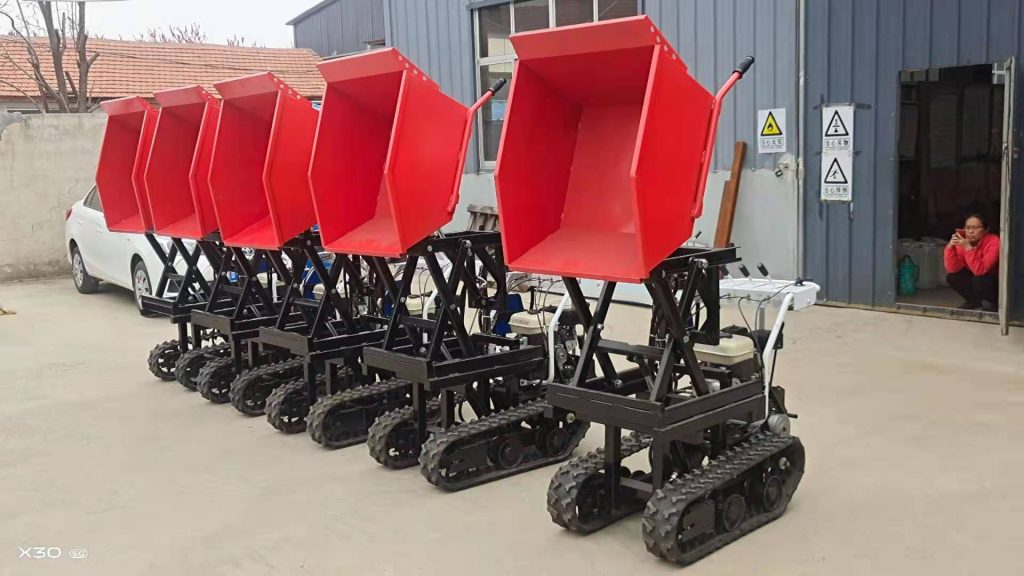
Load capacity is one of the most important performance indicators in construction equipment, especially for machines used in material transport. In small to medium construction projects, efficiency depends heavily on how much material can be moved in a single trip and how safely that load can be handled across different terrain conditions.
A crawler dumper truck is specifically designed to balance strong load-carrying capability with stability on uneven ground. Its tracked system, hydraulic lifting mechanism, and reinforced structure allow it to transport materials efficiently in environments where traditional vehicles may struggle.
Table of Contents
ToggleUnderstanding Load Capacity in Crawler Dumper Trucks
Load capacity refers to the maximum weight a machine can safely carry during operation. In crawler dumper trucks, this capacity is determined by several factors including engine power, chassis strength, and hydraulic system efficiency.
Key factors influencing load capacity include:
- Structural design of the chassis
- Strength of the track and undercarriage system
- Hydraulic lifting capability
- Engine torque and power output
Proper load management ensures safe operation and helps extend the lifespan of the machine.
Importance of Proper Load Distribution
Even if a machine has a high load capacity, improper distribution of materials can negatively affect performance and safety. Balanced loading is essential for maintaining stability, especially when operating on slopes or uneven terrain.
P=FAP = \frac{F}{A}P=AF
This relationship helps explain how force is distributed across a surface, which is directly related to how weight impacts stability in construction machinery.
Best practices for load distribution include:
- Placing heavier materials at the center of the dump bed
- Avoiding uneven stacking of materials
- Securing loose materials before movement
- Maintaining balanced weight across both tracks
These practices help reduce tipping risks and improve machine control.
Material Handling Efficiency on Job Sites
Crawler dumper trucks are widely used for material handling because they can transport heavy loads efficiently across difficult terrain. Their tracked design allows them to move smoothly over mud, gravel, sand, and uneven surfaces without losing traction.
Common materials transported include:
- Soil and excavated earth
- Gravel and crushed stone
- Construction debris
- Sand and aggregates
- Landscaping materials
This versatility makes them highly valuable in both construction and agricultural projects.
Role of Hydraulic Systems in Load Handling
The hydraulic system plays a key role in lifting and unloading materials. It allows controlled dumping of loads, ensuring smooth operation even when handling heavy materials.
Key hydraulic functions include:
- Raising and lowering the dump bed
- Controlling dumping speed and angle
- Maintaining stability during unloading
- Supporting heavy load lifting operations
A well-maintained hydraulic system ensures consistent performance and reduces operational risks.
Terrain Impact on Load Performance
Terrain conditions significantly affect how load capacity is utilized in real-world operations. While crawler dumper trucks are designed for rough environments, operators must still consider ground stability when carrying maximum loads.
They perform effectively on:
- Muddy construction sites
- Sloped or uneven ground
- Loose gravel and sand surfaces
- Narrow and confined work areas
On steeper or softer terrain, reducing load weight can help maintain safety and stability.
Safety Considerations in Load Handling
Safe load handling is essential to prevent accidents and equipment damage. Operators must follow recommended guidelines to ensure stable operation under all conditions.
Important safety practices include:
- Avoid exceeding rated load capacity
- Maintaining slow and controlled movement on slopes
- Checking ground conditions before operation
- Ensuring proper machine inspection before loading
These precautions help improve both operator safety and equipment longevity.
Efficiency Benefits of High Load Capacity
A higher load capacity directly improves productivity on construction sites by reducing the number of trips required to move materials. This leads to faster project completion and lower fuel consumption.
Key efficiency benefits include:
- Reduced transportation cycles
- Lower operational costs
- Improved time management on job sites
- Increased overall productivity
When used correctly, crawler dumper trucks significantly streamline material handling operations.
Conclusion
Load capacity and material handling performance are key factors that determine the efficiency of construction equipment. A crawler dumper truck is designed to deliver strong load-bearing capability while maintaining stability and control on challenging terrain.
By combining hydraulic power, balanced design, and tracked mobility, these machines provide reliable and efficient material transport solutions. Proper load management and operational practices further enhance safety, productivity, and long-term equipment performance in demanding working environments.




More Stories
Wudu Basin Installation: Important Measurements and Plumbing Considerations
Enjoy Smooth, Creamy Coffee Creations with an Efficient Electric Milk Frother
China B87 Air Pick: Specifications, Heavy-Duty Applications, and Performance Advantages