

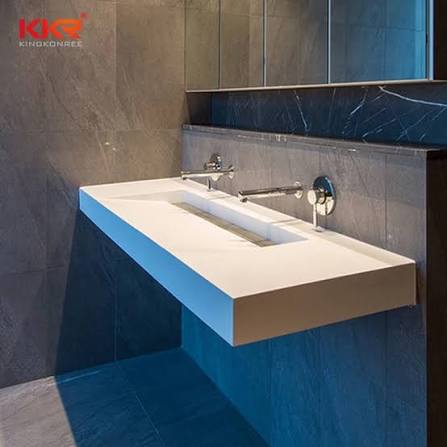
Bathroom design requires careful coordination between aesthetics, functionality, materials, and available space. Architects and interior designers must consider how every fixture contributes to the overall layout while meeting the practical needs of property owners and users. Standard bathroom products can work well for many projects, but some spaces require customized dimensions, distinctive shapes, or finishes that complement a specific interior concept.
Custom bathroom solutions provide greater flexibility when developing residential, hospitality, and commercial environments. They allow design professionals to explore different product configurations while addressing installation conditions and project specifications. KingKonree operates in the solid surface and bathroom products industry, where product design, material selection, and manufacturing capabilities are relevant to supporting architects and designers with varied project requirements.
Understanding the Need for Custom Bathroom Solutions
Every architectural project has its own spatial and functional requirements. A compact apartment bathroom may need space-saving fixtures, while a luxury hotel suite may require distinctive designs and coordinated finishes.
Customization helps design professionals address these differences without relying entirely on standard product dimensions or configurations.
Common reasons for requesting customized bathroom products include:
- Unusual room dimensions or architectural layouts.
- Specific washbasin and countertop measurements.
- A particular interior design theme.
- Coordinated colors and surface finishes.
- Special requirements for hospitality or commercial projects.
- The need to match existing bathroom components.
A clear understanding of these requirements helps architects select products that work with the wider design plan.
Flexible Design Options for Different Interior Concepts
Bathroom fixtures contribute significantly to the visual character of an interior. Their shapes, proportions, colors, and finishes can influence whether a space feels minimalist, traditional, contemporary, or luxurious.
Contemporary Bathroom Designs
Contemporary bathrooms often feature simple forms, clean lines, and carefully coordinated materials.
Designers may select streamlined washbasins, integrated countertops, and understated finishes to create an uncluttered environment.
Minimalist Interior Concepts
Minimalist spaces benefit from fixtures that balance practical use with visual simplicity.
Compact basins, restrained colors, and well-planned storage can help maintain an organized appearance without introducing unnecessary decorative elements.
Luxury and Hospitality Interiors
Hotels and upscale residential developments may require bathroom fixtures that contribute to a distinctive guest experience.
Designers can explore product proportions, surface appearances, and coordinated components to complement the project’s overall architectural identity.
Custom Solid Surface Products for Design Flexibility
Solid surface materials are used in a range of bathroom applications because they can support different shapes and design configurations, depending on their formulation and manufacturing process.
For architects and designers, understanding the material’s characteristics is important when specifying products.
Customized Washbasins
Washbasins are among the most visible and frequently used bathroom fixtures.
Custom designs may involve different basin shapes, dimensions, depths, and countertop arrangements. These choices should consider user comfort, available space, plumbing positions, and installation requirements.
Integrated Countertops
Integrated countertop and basin designs can create a coordinated appearance by bringing multiple functional elements together.
They may be suitable for residential bathrooms, hotel rooms, and selected commercial environments where a consistent visual style is required.
Bathtub Design Considerations
Bathtubs can become important visual features in larger bathrooms.
Design professionals may consider shape, dimensions, placement, surrounding circulation space, and compatibility with the selected material when developing a bathtub specification.
Coordinated Bathroom Components
Using products with related colors, surface finishes, and design proportions can help establish a consistent interior scheme.
Architects should confirm the availability and compatibility of selected finishes before finalizing a project specification.
Supporting Accurate Project Planning
Custom products require accurate technical information before manufacturing begins. Architects and designers need to communicate their requirements clearly so that product dimensions and configurations match the intended installation.
Technical Drawings and Measurements
Detailed drawings help manufacturers understand the proposed product design.
Important information may include:
- Overall length, width, and height.
- Basin depth and internal dimensions.
- Countertop thickness.
- Edge profiles and corner details.
- Tap and drainage positions.
- Installation and support requirements.
These details should be reviewed and approved before production begins.
Coordination with Plumbing and Electrical Systems
Bathroom fixtures must work with the building’s existing or planned services.
Washbasins and countertops need suitable plumbing connections, while other bathroom features may require coordination with lighting, mirrors, or electrical equipment.
Early coordination helps reduce the likelihood of costly design changes during installation.
Space and Circulation Planning
Designers should consider how users move around bathroom fixtures.
Door openings, shower enclosures, storage units, accessibility requirements, and maintenance access all influence the final layout.
Custom product dimensions should support these practical considerations rather than focusing only on appearance.
Helping Designers Work with Different Project Types
Architects and interior designers work across a wide range of building categories. Each project creates different expectations for bathroom product selection.
Residential Developments
Private homes and apartment projects often require a balance between appearance, comfort, available space, and maintenance.
Customized washbasins and countertops may help accommodate different bathroom layouts within the same development.
Hotels and Resorts
Hospitality projects frequently require coordinated bathroom designs across many guest rooms.
Consistent product dimensions, finishes, and specifications can help maintain a unified appearance throughout the property.
Commercial Buildings
Offices, shopping centers, and other public facilities need bathroom products suited to regular use.
Designers should consider expected traffic, cleaning routines, accessibility, and durability requirements when specifying fixtures.
Luxury Residential Projects
High-end residential projects may involve distinctive materials, tailored dimensions, and carefully coordinated interior details.
Custom bathroom components can help connect the bathroom design with the wider architectural concept.
Material Selection and Design Performance
Selecting an appropriate material is an important step in custom bathroom planning. Architects need to evaluate not only the visual appearance but also the material’s suitability for its intended application.
Appearance and Surface Finish
Solid surface products may be available in different colors and finishes, depending on the manufacturer’s range.
Designers should review physical samples under suitable lighting to understand how the material will look alongside tiles, cabinetry, and other interior finishes.
Fabrication Requirements
Different materials have different fabrication limitations.
Before specifying a complex shape or integrated design, architects should confirm whether the proposed configuration can be manufactured using the available production methods.
Cleaning and Maintenance
Bathroom materials are exposed to moisture, personal care products, and cleaning agents.
Maintenance requirements vary according to material composition and finish. Designers should consider the cleaning routines of the intended users and consult product-specific care instructions.
Long-Term Suitability
A material should be evaluated according to its intended environment, installation conditions, and expected use.
Technical documentation can help design professionals compare available options and select suitable products for each application.
Customization and Quality Control
Customization is most successful when design flexibility is supported by clear manufacturing specifications and quality checks.
Even an attractive product can create project difficulties if its dimensions, finish, or installation details do not match the approved design.
Reviewing Product Samples
Samples allow architects and clients to assess color, texture, and surface appearance before confirming a larger order.
For projects involving several bathroom units, approved samples can serve as a reference for product consistency.
Confirming Production Specifications
All important product details should be documented before manufacturing begins.
Changes to dimensions, finishes, or technical requirements should be communicated and approved by the relevant project stakeholders.
Checking Finished Products
Inspection may include verifying measurements, surface quality, shape accuracy, and visible defects.
The inspection criteria should be agreed upon according to the specific product and project requirements.
The Value of Communication Between Designers and Manufacturers
Successful custom bathroom projects depend on effective communication between design professionals and manufacturing teams.
Architects understand the project’s spatial and aesthetic objectives, while manufacturers can provide information about materials, fabrication processes, and production limitations.
Early Design Consultation
Discussing product requirements early can help identify technical challenges before they affect the wider design.
Manufacturers may also help clarify which shapes, dimensions, and finishes are practical for production.
Managing Design Revisions
Architectural projects often change as budgets, site conditions, and client preferences develop.
A clear revision process helps ensure that manufacturers work from the latest approved drawings and specifications.
Coordinating Production and Delivery
Project schedules depend on several connected activities, including design approval, manufacturing, shipping, and installation.
Early planning helps project teams coordinate these stages and reduce avoidable delays.
Sustainability Considerations in Custom Bathroom Design
Sustainability is becoming an increasingly important part of architectural decision-making.
Designers may consider material efficiency, product longevity, manufacturing waste, and maintenance requirements when evaluating bathroom solutions.
Reducing Unnecessary Material Waste
Accurate measurements and digital design tools can help manufacturers plan fabrication more efficiently.
Careful product development may reduce unnecessary cutting and material waste.
Selecting Products for Long-Term Use
Products appropriate for their intended environment may reduce the need for premature replacement.
Correct installation and regular maintenance also contribute to long-term performance.
Evaluating Environmental Information
Architects should request relevant documentation when environmental performance is an important project requirement.
Claims about recycled content, emissions, or environmental certifications should be verified through reliable product or manufacturer information.
Practical Questions Architects Should Ask Before Ordering Custom Products
Before approving a customized bathroom product, design professionals should confirm several important details:
- Are the proposed dimensions and shapes technically achievable?
- Which materials and finishes are available?
- Can samples be provided for design approval?
- What technical drawings are required before production?
- Which installation and support details should be considered?
- What quality inspection procedures apply?
- How are customized products packaged for transportation?
- What are the expected production and delivery arrangements?
Addressing these questions early can help architects manage expectations and coordinate the product specification with other project requirements.
Future Opportunities in Custom Bathroom Design
Bathroom design continues to develop as digital tools, material research, and user expectations change.
Several trends may create new opportunities for customized product development.
More Personalized Interiors
Homeowners and commercial clients increasingly seek spaces that reflect their individual preferences.
This may encourage demand for distinctive basin shapes, coordinated finishes, and project-specific dimensions.
Digital Design Collaboration
Three-dimensional modeling and digital technical drawings can improve communication between architects and manufacturers.
These tools may also help teams review product proportions and installation details before production.
Greater Attention to Accessibility
Universal design principles are encouraging architects to consider comfortable access, safe movement, and practical fixture placement.
Custom dimensions and configurations may help address certain project requirements, provided they comply with applicable accessibility standards.
Continued Material Development
Advances in material engineering may create new opportunities for surface finishes, shapes, and bathroom applications.
Design professionals should evaluate new materials through appropriate technical information and testing before specifying them.
Conclusion
Custom bathroom solutions give architects and designers greater flexibility when developing interiors with specific dimensions, visual concepts, and functional requirements. From customized washbasins and integrated countertops to coordinated finishes and project-specific configurations, successful product selection depends on accurate planning, suitable materials, and effective communication with manufacturers.
KingKonree operates in the solid surface and bathroom products sector, where design flexibility and manufacturing capabilities are relevant to meeting varied project needs. Architects and designers can make more informed decisions by reviewing available product options, confirming technical specifications, assessing samples, and coordinating installation requirements before approving customized bathroom products.
About Post Author


More Stories
Exploring Color, Texture, and Finish Options in KKR Solid Surface Materials
How Iron Castings Manufacturers Meet Custom Industrial Component Requirements
TCCA for Cooling Tower Water: Understanding Chemical Treatment and Microbial Control Requirements