

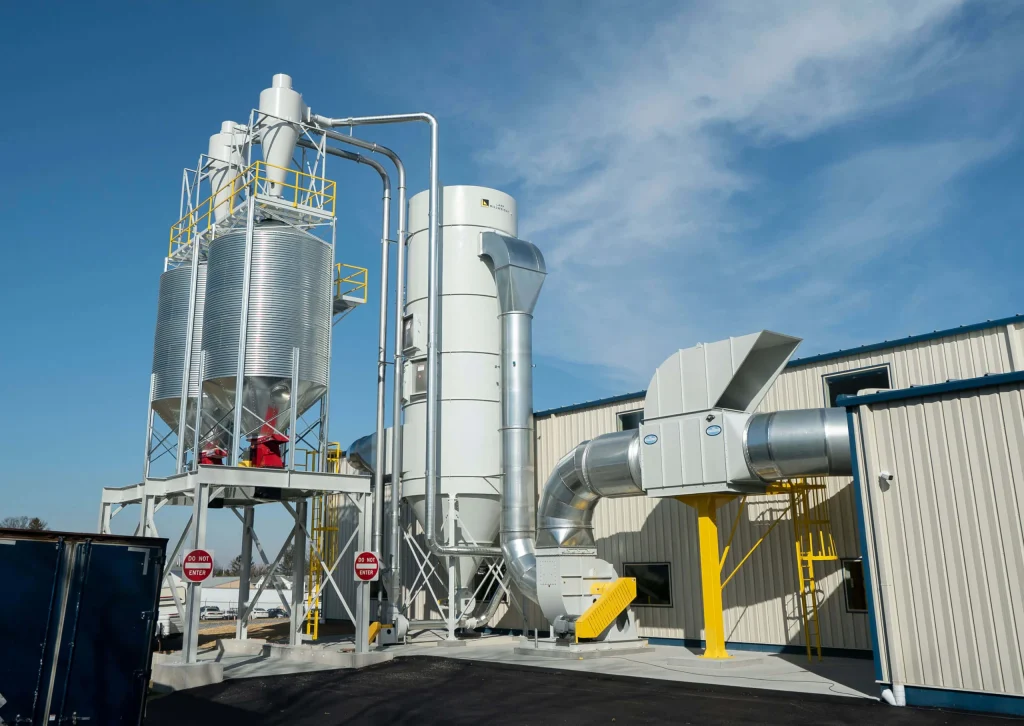
Industrial facilities generate dust through manufacturing, material handling, cutting, grinding, packaging, and other routine operations. When airborne particles accumulate, they can affect employee health, reduce equipment performance, and create unsafe working conditions. Maintaining clean air and surfaces is therefore an essential part of industrial safety and operational efficiency.
Modern cleaning technologies, including an advanced Dust Cleaner, help industrial facilities manage dust more effectively. These systems are designed to capture and remove unwanted particles, reduce airborne contamination, and support cleaner production environments.
Understanding the Risks of Industrial Dust
Industrial dust is not simply a housekeeping concern. Depending on the materials involved, airborne particles may contain metals, chemicals, wood fibers, mineral particles, or other potentially harmful substances.
Prolonged exposure to certain types of dust can contribute to respiratory problems and other occupational health concerns. Fine particles may also settle on machinery, electrical components, ventilation systems, and production surfaces, gradually affecting their performance.
In some industries, combustible dust presents an additional hazard. Under suitable conditions, accumulated combustible particles can create a fire or explosion risk. Effective dust management is therefore important for both workplace health and facility safety.
How Advanced Dust Cleaning Systems Work
Advanced dust cleaning systems use different technologies to collect particles before they spread throughout a facility. Their operating methods depend on the application, particle characteristics, and required air quality standards.
Common dust collection technologies include:
Industrial Filtration Systems
Filtration systems draw contaminated air through specialized filters that capture dust particles. Cartridge filters, bag filters, and high-efficiency filtration media are commonly used in industrial environments.
The collected dust remains within the filtration unit, while cleaner air is either returned to the workspace or discharged through an appropriate exhaust system.
Centralized Dust Collection
Centralized systems connect multiple extraction points to a shared collection unit. They are particularly useful in large manufacturing facilities where several machines generate dust simultaneously.
This arrangement helps maintain consistent dust control across different production areas while reducing the need for separate collection equipment at every workstation.
Automated Cleaning Mechanisms
Some advanced systems include automated filter-cleaning functions, such as pulse-jet cleaning. These mechanisms periodically remove accumulated dust from filter surfaces, helping maintain airflow and filtration performance.
Automation also reduces the need for frequent manual filter maintenance, although regular inspections remain necessary.
Improving Workplace Health and Safety
One of the most important benefits of advanced dust cleaning systems is their contribution to a healthier workplace. By capturing airborne particles close to their source, these systems help reduce employee exposure to potentially hazardous substances.
Cleaner air can also improve visibility in production areas and reduce the amount of dust settling on floors, workstations, and shared equipment.
Effective dust control should be combined with other workplace safety measures, including suitable personal protective equipment, employee training, ventilation assessments, and routine cleaning procedures.
Supporting Equipment Performance and Operational Efficiency
Dust accumulation can gradually interfere with industrial machinery. Particles may enter moving components, obstruct cooling passages, contaminate sensors, and affect electrical connections.
Over time, these problems can contribute to equipment overheating, increased wear, unexpected breakdowns, and production interruptions.
Advanced dust collection systems help minimize these risks by reducing the amount of airborne material circulating around machinery. This can support:
- More consistent equipment performance.
- Reduced maintenance requirements.
- Fewer dust-related production interruptions.
- Cleaner working and storage areas.
- Improved reliability of sensitive components.
Although dust collection equipment requires investment and maintenance, preventing avoidable equipment problems can contribute to better long-term operational performance.
Choosing the Right Dust Cleaning System
Not every industrial facility produces the same type or quantity of dust. Selecting an appropriate system requires an understanding of the production environment and the characteristics of the particles being generated.
Several factors should be considered before choosing equipment.
Type and Size of Dust Particles
Fine particles behave differently from larger debris. Their size, density, moisture content, and chemical properties influence the filtration technology required.
Facilities should evaluate whether the dust contains hazardous or combustible materials, as these conditions may require specialized collection equipment and additional safety precautions.
Airflow and Collection Capacity
The system must provide sufficient airflow to capture dust effectively at its source. Factors such as the number of extraction points, machine output, and ductwork configuration influence the required capacity.
An undersized system may fail to control emissions, while an improperly designed oversized system can increase energy consumption and operating costs.
Maintenance and Operating Costs
Filter replacement, energy use, dust disposal, and routine servicing should all be considered when evaluating a system.
Equipment with accessible maintenance components and suitable automated cleaning functions may help simplify ongoing operations. However, maintenance schedules should always follow manufacturer recommendations and workplace requirements.
The Importance of Regular Maintenance
Even advanced dust cleaning systems require consistent maintenance to operate effectively. Filters can become clogged, ducts may accumulate deposits, and collection containers can reach capacity.
A practical maintenance routine should include:
- Inspecting filters for damage, excessive loading, or signs of reduced performance.
- Checking ductwork and extraction points for blockages or leaks.
- Monitoring airflow and pressure differences across filters.
- Emptying dust collection containers safely and regularly.
- Inspecting motors, fans, seals, and other mechanical components.
- Keeping maintenance records to identify recurring performance issues.
Regular inspections help identify problems before they affect production or compromise workplace safety.
Environmental Benefits of Effective Dust Management
Industrial dust control also contributes to better environmental management. Capturing particles at their source helps prevent unnecessary dust emissions into surrounding areas and reduces the amount of particulate matter released into the atmosphere.
Depending on the materials collected, some dust may also be suitable for recovery, recycling, or controlled disposal. This can support more responsible resource management and reduce industrial waste.
Facilities should ensure that collected materials are handled according to applicable environmental regulations and safety requirements.
Future Developments in Industrial Dust Cleaning Technology
Industrial dust management continues to evolve as manufacturers adopt more automated and data-driven production systems. Modern equipment increasingly incorporates sensors, monitoring controls, and automated operating functions.
These technologies can help operators monitor filter conditions, detect changes in airflow, and identify maintenance requirements earlier. Some systems can also be integrated with broader facility management platforms to provide better operational visibility.
As industrial processes become more sophisticated, demand for efficient, adaptable, and energy-conscious dust collection solutions is likely to increase.
Conclusion
Advanced dust cleaning systems play an important role in maintaining safe, productive, and environmentally responsible industrial facilities. By controlling airborne particles, protecting machinery, and supporting cleaner working conditions, these technologies contribute to both employee well-being and operational reliability.
Choosing the right equipment requires careful consideration of dust characteristics, airflow requirements, maintenance needs, and applicable safety standards. When supported by regular inspections and effective workplace procedures, a well-designed dust management system can provide lasting benefits for industrial operations.
About Post Author




More Stories
Understanding the Materials and Techniques Used in Custom Oil Paintings
A Complete Guide to Polyester Printing Mesh for High-Quality Textile and Screen Printing
Important Questions to Ask Before Choosing a Marine Bearing Supplier