

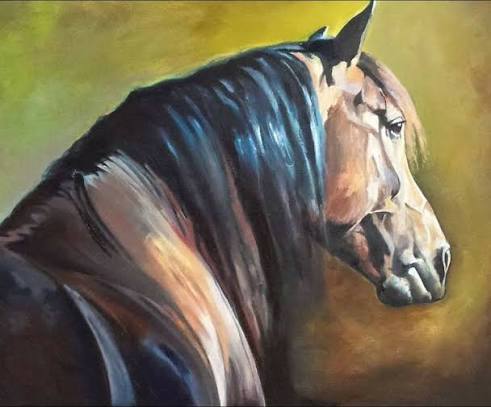
Custom oil paintings are valued for their rich colors, layered textures, and ability to capture fine artistic details. Unlike mass-produced prints, these artworks are created through a combination of carefully selected materials and traditional painting methods. Understanding these elements helps art enthusiasts appreciate the craftsmanship behind each finished piece.
The quality of an oil painting depends on several factors, including the canvas, pigments, brushes, and application techniques. When exploring Custom Oil Paintings, it is useful to understand how these materials work together to influence the artwork’s appearance, durability, and overall character.
Common Materials Used in Custom Oil Paintings
Artists rely on different materials to create oil paintings, and each one plays an important role in the final result. The quality and suitability of these supplies can affect how paint behaves, how colors appear, and how well the artwork lasts over time.
Canvas and Painting Surfaces
Canvas is one of the most common surfaces used for oil painting. Cotton and linen are popular choices because they provide a flexible yet durable foundation for applying paint.
Linen canvas is often appreciated for its strength and fine texture, while cotton canvas is generally more accessible and suitable for many types of artwork. Some artists also work on prepared wooden panels, which offer a firmer surface and a different painting experience.
Before painting begins, the surface is usually coated with primer or gesso. This preparation helps prevent excessive absorption of oil from the paint and creates a suitable base for applying colors.
Oil Paint Pigments
Oil paints consist of pigments mixed with a drying oil, commonly linseed oil. The pigments provide color, while the oil acts as a binder that allows the paint to spread smoothly and gradually harden.
Different pigments offer different levels of transparency, opacity, brightness, and permanence. Artists select colors according to the subject, desired visual effect, and painting style.
High-quality pigments can provide stronger color consistency and better resistance to fading. However, the final appearance also depends on how the artist mixes and applies them.
Brushes and Painting Tools
Brushes influence the texture, precision, and movement of oil paint. They are available in different shapes, sizes, and bristle types, each suited to particular techniques.
Common brush types include:
- Round brushes: Useful for fine details, outlines, and controlled strokes.
- Flat brushes: Suitable for broad strokes, edges, and filling larger areas.
- Filbert brushes: Combine rounded and flat characteristics for softer transitions.
- Fan brushes: Often used for blending and creating textured effects.
Palette knives are another useful tool. Artists use them to mix colors, spread thick paint, and create raised textures that add depth to a composition.
Essential Techniques Used in Oil Painting
Oil painting offers considerable flexibility because the paint can remain workable for an extended period. This allows artists to build layers, adjust details, blend colors, and develop complex visual effects.
Layering and Glazing
Layering involves applying paint in successive stages to build depth and visual complexity. Artists may begin with an initial sketch or base layer before gradually adding colors, shadows, and highlights.
Glazing is a technique in which a thin, transparent layer of paint is applied over a dry layer. It can create subtle changes in color and produce a sense of depth without completely covering the underlying details.
This method is particularly useful for portraits, landscapes, and compositions that require delicate color transitions.
Alla Prima Painting
Alla prima, also known as wet-on-wet painting, involves applying fresh paint directly over previously applied paint before it dries. Rather than building many separate dry layers, the artist works toward completing the painting in a more continuous process.
This technique can produce expressive brushwork and natural color blending. It is often used for landscapes, still-life subjects, and paintings that emphasize movement or spontaneous artistic expression.
Impasto Technique
Impasto involves applying oil paint in thick layers, allowing visible brushstrokes and raised textures to remain on the surface. Artists may use stiff brushes or palette knives to create these effects.
The technique gives paintings a three-dimensional quality because the paint itself becomes part of the visual texture. It can be especially effective when depicting flowers, clouds, water, or other subjects that benefit from bold surface details.
Blending and Color Mixing
Blending helps create smooth transitions between colors, tones, and shadows. Since oil paint dries relatively slowly, artists have time to soften edges and combine colors directly on the canvas.
Color mixing is equally important. Artists may combine pigments to create specific shades, adjust brightness, or establish harmony throughout the composition. Careful mixing helps maintain consistency and supports the intended mood of the artwork.
How Material Selection Influences Painting Quality
Materials have a direct impact on the appearance and longevity of an oil painting. A well-prepared surface provides a stable foundation, while suitable pigments contribute to color richness and consistency.
The choice of brushes and tools also affects the level of detail and texture an artist can achieve. For example, fine brushes are useful for precise facial features, while larger brushes help establish broad background areas.
Artists must also consider how different materials interact. Using compatible primers, paints, and finishing products helps reduce the risk of cracking, poor adhesion, or uneven drying.
The Importance of Drying and Finishing
Oil paintings require more drying time than many water-based artworks. Drying speed varies according to the pigments, oil content, paint thickness, and surrounding environmental conditions.
Thin layers generally dry faster than thick applications. Artists often allow sufficient time between layers to support proper drying and reduce the possibility of problems developing beneath the surface.
Once the painting has dried adequately, a suitable varnish may be applied. Varnishing can help protect the surface from dust and environmental exposure while creating a more consistent finish. The timing and type of varnish should be selected according to the materials and condition of the artwork.
Preserving Custom Oil Paintings Over Time
Proper care helps maintain the appearance and structural condition of oil paintings. Although oil paintings can remain in good condition for many years, they still require suitable storage and handling.
Consider the following preservation practices:
- Keep paintings away from direct sunlight to reduce the risk of color deterioration.
- Avoid placing artwork in areas with excessive humidity or sudden temperature changes.
- Clean the surrounding frame and handle the painted surface carefully.
- Do not use household cleaning products or abrasive materials on the paint.
- Consult an art conservator if the painting develops cracks, discoloration, or surface damage.
These precautions are especially important for artwork with thick impasto textures or delicate layered finishes.
The Role of Artistic Skill in Material and Technique Selection
Even premium materials cannot guarantee a successful painting without proper artistic knowledge. Artists must understand how pigments behave, how surfaces respond to paint, and how different techniques affect the final composition.
A portrait may require careful blending and controlled brushwork, while an abstract composition may benefit from bold strokes and thick paint applications. The artist’s decisions about materials and methods should always reflect the subject and the intended visual result.
When evaluating artwork from ARTLAND, understanding these creative and technical considerations can help viewers recognize the time, skill, and material choices involved in producing an oil painting.
Conclusion
Custom oil paintings are created through a combination of suitable materials, technical knowledge, and artistic expression. Canvas preparation, pigment quality, brush selection, layering, glazing, and other painting methods all contribute to the final appearance of the artwork.
Learning about these materials and techniques provides a deeper appreciation of oil painting as both a creative practice and a traditional art form. It also helps buyers and art enthusiasts make more informed decisions when selecting personalized artwork for their homes, offices, or collections.
About Post Author



More Stories
Important Questions to Ask Before Choosing a Marine Bearing Supplier
How Xprinter Receipt Printers Improve Transaction Speed and Accuracy
CHZ Lighting Solutions: Improving Safety, Visibility, and Energy Efficiency