

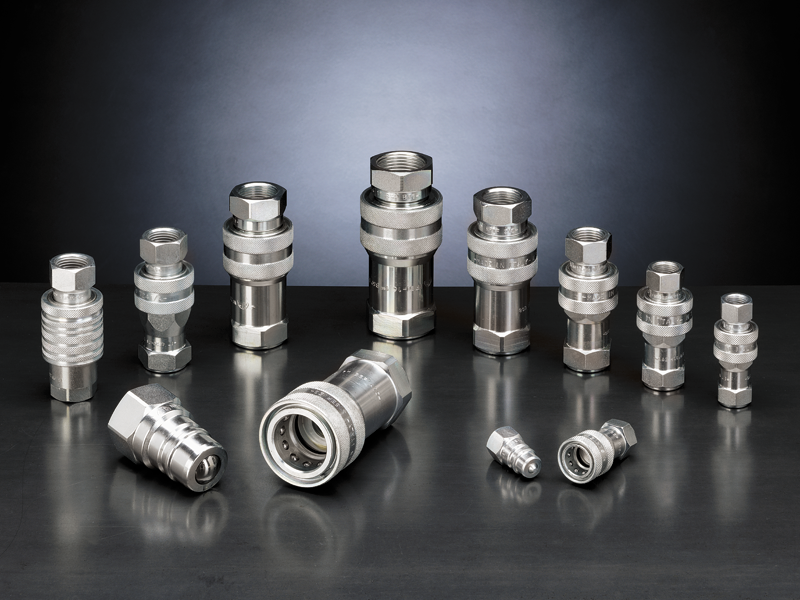
Heavy-duty hydraulic systems operate under demanding conditions where connection reliability directly affects equipment performance, operational safety, and maintenance costs. From construction machinery and agricultural equipment to industrial manufacturing systems, hydraulic connections must withstand high pressure, vibration, temperature changes, and continuous use. Selecting durable fittings is therefore essential for maintaining consistent fluid flow and preventing unexpected system failures.
Choosing the right Hydraulic Quick Connect Fittings requires more than matching connection sizes. Buyers must consider pressure ratings, material strength, sealing performance, compatibility, and the specific demands of the application. A carefully selected fitting can simplify equipment servicing, reduce fluid loss, and support dependable operation in challenging environments.
1. Understand the Operating Requirements
Before selecting hydraulic quick connect fittings, evaluate the conditions in which the equipment will operate. Heavy-duty applications often involve fluctuating pressure, mechanical shock, frequent connection cycles, and exposure to dirt or moisture.
Important operating factors include:
- Working pressure: Identify the normal operating pressure and any pressure spikes the system may experience.
- Flow requirements: Choose a fitting that supports the required flow rate without creating excessive pressure drop.
- Operating temperature: Confirm that the fitting and its seals can tolerate the expected temperature range.
- Connection frequency: Equipment that is frequently disconnected requires fittings designed for repeated connection cycles.
- Environmental exposure: Consider contact with dust, mud, chemicals, water, and other potentially damaging substances.
Understanding these conditions helps narrow down suitable fitting designs and prevents premature wear.
2. Choose Materials That Withstand Harsh Conditions
Material selection has a major influence on fitting durability. Hydraulic connections used in demanding environments must resist mechanical stress, corrosion, and surface damage.
Common material options include:
Carbon Steel
Carbon steel fittings are widely used in heavy-duty hydraulic equipment because of their strength and ability to handle demanding pressure conditions. Protective coatings can improve their resistance to corrosion and environmental exposure.
Stainless Steel
Stainless steel is suitable for applications where corrosion resistance is especially important. It is commonly considered for equipment exposed to moisture, aggressive cleaning processes, or certain corrosive environments.
Brass
Brass fittings offer useful corrosion resistance in selected applications, but their pressure and mechanical limitations must be checked carefully before use in heavy-duty hydraulic systems.
The best material depends on operating pressure, environmental conditions, fluid compatibility, and the expected service life of the equipment.
3. Verify Pressure and Flow Capacity
Pressure rating is one of the most important specifications when selecting hydraulic fittings. Every component must be suitable for the system’s maximum operating conditions, including foreseeable pressure surges.
A fitting with an insufficient pressure rating may deform, leak, or fail under load. However, pressure capacity alone does not determine suitability. Internal passage dimensions and coupling design also influence fluid flow.
When reviewing specifications, check:
- Maximum allowable working pressure.
- Permitted pressure under connected and disconnected conditions.
- Flow capacity and pressure drop.
- Compatibility with the system’s hydraulic fluid.
- Manufacturer guidance for pressure spikes and operating cycles.
Avoid choosing fittings based solely on appearance or nominal size. Always compare technical specifications with the equipment manufacturer’s requirements.
4. Select the Right Coupling and Connection Design
Hydraulic quick connect fittings are available in different configurations, each designed for particular operating conditions and connection requirements.
Common designs include:
Flat-Face Couplings
Flat-face couplings help minimize fluid spillage during connection and disconnection. Their design also makes external cleaning easier, which is useful in construction, agricultural, and mobile hydraulic equipment.
Ball-Type Couplings
Ball-type designs use internal valve mechanisms to control fluid flow when connected or disconnected. They are used in various hydraulic applications, although their pressure and flow capabilities depend on the specific design.
Screw-to-Connect Couplings
These couplings use a threaded connection mechanism to secure the two halves. They can be suitable for applications involving vibration or demanding mechanical conditions when correctly specified and installed.
Push-to-Connect Couplings
Push-to-connect designs allow quick engagement and are useful where equipment requires frequent attachment changes. Their suitability depends on the pressure rating, locking mechanism, and application requirements.
Selecting the right design helps balance connection speed, sealing performance, operating safety, and maintenance convenience.
5. Evaluate Sealing Performance and Leak Prevention
A durable hydraulic connection must maintain a reliable seal throughout normal operation. Even small leaks can reduce system efficiency, create workplace hazards, contaminate surrounding equipment, and increase maintenance expenses.
Seal performance depends on several factors:
- Seal material: Ensure compatibility with the hydraulic fluid and operating temperature.
- Pressure resistance: Confirm that seals are rated for the system’s working conditions.
- Surface quality: Properly manufactured sealing surfaces help maintain consistent contact.
- Connection alignment: Misalignment can damage seals and contribute to leakage.
- Wear resistance: Repeated connection cycles can gradually affect sealing components.
Some couplings use protective valve arrangements or specialized sealing systems to reduce leakage during disconnection. The appropriate design depends on whether the application prioritizes low spillage, high pressure, or frequent servicing.
6. Consider Locking Mechanisms and Operator Safety
Heavy machinery often experiences vibration, impact, and movement during operation. A reliable locking mechanism helps prevent accidental separation and protects the hydraulic circuit from unexpected interruptions.
Depending on the coupling design, locking features may include locking sleeves, threaded retainers, or other mechanical engagement systems.
Before selecting a fitting, consider whether its locking mechanism:
- Provides secure engagement under expected operating conditions.
- Resists accidental release from vibration or external contact.
- Allows operators to confirm that the connection is properly engaged.
- Supports safe and practical disconnection procedures.
- Meets the equipment manufacturer’s safety requirements.
Operators should always follow the specified connection and disconnection procedures. Hydraulic pressure must be relieved where required before attempting to separate a coupling.
7. Check Compatibility With Existing Equipment
A fitting may have excellent pressure and durability specifications but still be unsuitable if it does not match the existing hydraulic system.
Compatibility involves more than physical dimensions. Check the following details before purchasing:
- Coupling profile and connection standard.
- Thread type, size, and configuration.
- Hose or pipe connection dimensions.
- Maximum pressure and flow requirements.
- Hydraulic fluid and seal compatibility.
- Interchangeability requirements, where applicable.
Do not assume that couplings with similar dimensions or appearances are interchangeable. Confirm the manufacturer’s specifications and applicable industry standards to avoid connection problems.
8. Prioritize Maintenance and Service Life
Long-lasting fittings can reduce equipment downtime, but regular inspection and proper maintenance remain essential. Dirt, corrosion, damaged seals, and worn locking components can affect connection performance over time.
A practical maintenance routine should include:
- Inspect fittings for visible cracks, corrosion, deformation, and leakage.
- Clean mating surfaces before making connections.
- Check locking mechanisms for smooth and secure engagement.
- Examine seals for damage or signs of deterioration.
- Replace worn components according to manufacturer recommendations.
- Use protective caps or plugs when couplings are disconnected.
- Investigate recurring leaks rather than repeatedly tightening or reconnecting damaged parts.
Preventive maintenance helps identify potential problems before they lead to equipment failure.
9. Choose a Reliable Supplier
The quality of a hydraulic fitting depends on its design, manufacturing process, materials, and quality-control procedures. Working with a dependable supplier makes it easier to identify products that meet the requirements of demanding applications.
When evaluating suppliers, consider:
- Clear technical specifications and pressure ratings.
- Consistent manufacturing quality.
- Material and seal information.
- Product testing and relevant certifications.
- Availability of compatible replacement components.
- Technical support and application guidance.
A supplier that provides accurate product information can help reduce selection errors and improve long-term system reliability.
10. Common Mistakes to Avoid
Even well-designed hydraulic systems can experience connection problems when fittings are selected incorrectly. Avoid these common mistakes:
- Choosing a fitting based only on its size or purchase price.
- Ignoring pressure spikes and demanding operating conditions.
- Using incompatible seal materials.
- Mixing connection profiles without confirming interchangeability.
- Overlooking environmental exposure and corrosion risks.
- Neglecting inspection and replacement of worn seals.
- Assuming every quick-connect design supports the same flow rate or pressure.
Careful specification review and proper installation can prevent many of these issues.
Conclusion
Selecting durable hydraulic quick connect fittings for heavy-duty applications requires a clear understanding of system pressure, flow demands, material properties, sealing performance, and environmental conditions. The right combination of these factors helps maintain secure connections, minimize leakage, and support reliable equipment operation.
By checking compatibility, choosing appropriate locking and sealing designs, and following a consistent maintenance routine, businesses can reduce unnecessary downtime and extend the service life of hydraulic equipment. A well-informed selection process ultimately contributes to safer operations, more efficient maintenance, and dependable performance in demanding industrial environments.
About Post Author




More Stories
Understanding the Materials and Techniques Used in Custom Oil Paintings
A Complete Guide to Polyester Printing Mesh for High-Quality Textile and Screen Printing
Important Questions to Ask Before Choosing a Marine Bearing Supplier