

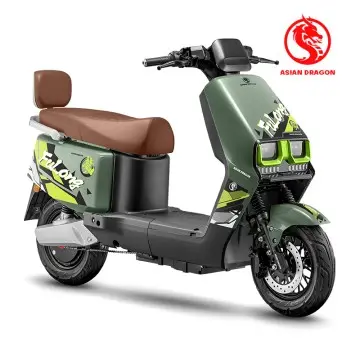
Transportation habits are changing as people seek convenient, affordable, and environmentally responsible ways to travel. Growing urban populations, traffic congestion, and concerns about fuel consumption have encouraged commuters to explore alternatives to traditional vehicles. Among the available options, electric bicycles have gained considerable attention because they combine familiar cycling with motor-assisted movement, making everyday journeys more accessible.
Modern Electric Bicycles use rechargeable batteries and electric motors to support riders while pedaling or, depending on the design, provide power through a throttle. This combination allows people to travel longer distances, manage hills more comfortably, and reduce the physical effort required for regular commuting. As technology improves, electric bicycles are becoming an increasingly practical part of modern transportation systems.
Understanding How Electric Bicycles Work
An electric bicycle uses an integrated electrical system to assist the rider. Its main components work together to convert stored battery energy into movement.
The most important components include:
- Electric motor: Provides additional power to support pedaling or propel the bicycle, depending on its configuration.
- Rechargeable battery: Stores the electrical energy required to operate the motor.
- Controller: Regulates power delivery and manages communication between electrical components.
- Pedal-assist sensors: Detect pedaling activity and determine how much assistance the motor provides.
- Display unit: Shows useful information such as battery level, speed, distance, and assistance settings.
Most pedal-assist models allow riders to select different support levels. Lower settings can conserve battery energy, while higher settings provide additional assistance when climbing hills or traveling against strong winds.
Major Benefits of Electric Bicycles
Electric bicycles offer several advantages that appeal to commuters, recreational riders, and people seeking more flexible transportation.
1. Convenient Daily Commuting
Electric assistance makes regular cycling more manageable, particularly for people traveling moderate distances. Riders can cover their routes with less physical fatigue and may arrive at work or other destinations without becoming excessively tired.
These bicycles are also useful for navigating residential neighborhoods, reaching nearby commercial areas, and connecting with public transportation.
2. Lower Transportation Expenses
Compared with operating a conventional car or motorcycle, an electric bicycle can have relatively low daily energy costs. Charging generally requires less electricity than operating a full-sized electric vehicle, while routine maintenance can also be simpler than maintaining a combustion engine.
However, owners should consider battery replacement, repairs, tires, brakes, and other long-term expenses when evaluating overall affordability.
3. Support for Physical Activity
Electric bicycles still encourage riders to pedal, making them a useful option for incorporating movement into everyday routines. Motor assistance can be adjusted according to fitness levels, route difficulty, and personal preferences.
Riders can choose stronger assistance when needed and reduce it when they want a more physically demanding ride.
4. Reduced Direct Emissions
Electric bicycles produce no direct exhaust emissions during operation. When they replace suitable car or motorcycle journeys, they can help reduce local air pollution and dependence on fossil fuels.
Their total environmental impact also depends on electricity generation, battery production, product lifespan, and responsible battery recycling.
5. Easier Access to Longer Routes
Hills, headwinds, and longer distances can discourage some people from using traditional bicycles. Electric assistance reduces these challenges and may encourage more people to consider cycling for everyday transportation.
Technology Behind Modern Electric Bicycles
Advancements in electrical engineering and battery development have improved the performance and usability of electric bicycles.
Battery Technology
Lithium-ion batteries are widely used because they provide a practical balance of energy capacity, weight, and rechargeability. Battery capacity is commonly expressed in watt-hours (Wh), which helps buyers compare the amount of energy available in different models.
Actual riding range depends on several factors, including rider weight, terrain, speed, temperature, tire pressure, and assistance level.
Motor Systems
Electric bicycles commonly use hub motors or mid-drive motors.
Hub motors are installed within a wheel and provide power directly to it. Their relatively straightforward construction makes them common in many electric bicycle designs.
Mid-drive motors are positioned near the pedals and transfer power through the drivetrain. They can work with the bicycle’s gearing system, which may be useful on routes with changing elevations.
Neither design is automatically better for every rider. The appropriate option depends on terrain, maintenance preferences, performance requirements, and budget.
Smart Controllers and Displays
Electronic controllers regulate motor output and coordinate the electrical system. Many modern bicycles also include digital displays that provide information about speed, remaining battery capacity, distance, and selected riding modes.
Some higher-end models offer smartphone connectivity, navigation support, ride statistics, and security-related functions.
Regenerative and Energy Management Features
Certain electric two-wheelers use regenerative braking to recover a portion of energy during deceleration. Its effectiveness varies by vehicle design, and it is not a standard feature on all electric bicycles.
Battery management systems also help monitor important operating conditions and protect battery cells from unsuitable voltage or temperature levels.
Electric Bicycles and Sustainable Urban Transportation
Cities face increasing pressure to improve mobility while managing congestion, emissions, and limited road space. Electric bicycles can support these goals by offering a compact alternative for suitable short and medium-distance journeys.
Reducing Traffic Congestion
Bicycles generally occupy less road and parking space than cars. Encouraging their use for local travel can help reduce pressure on busy roads, especially when supported by connected cycling infrastructure.
Supporting Public Transportation
Electric bicycles can solve first-mile and last-mile transportation challenges. Commuters may ride to a train or bus station, use public transportation for the main part of their journey, and complete the remaining distance by bicycle.
This combination can reduce dependence on private vehicles without requiring people to cycle their entire route.
Encouraging Cleaner Neighborhoods
Replacing some short fuel-powered journeys with electric bicycle trips can contribute to lower local exhaust emissions and reduced traffic noise. These benefits are especially relevant in densely populated urban areas.
Important Features to Consider Before Buying
Choosing an electric bicycle requires careful evaluation of specifications and practical requirements.
Battery Capacity and Range
Consider how far you normally travel and whether charging facilities are available at home or work. Choose a battery that can comfortably cover your regular routes while allowing a reasonable reserve.
Remember that advertised range figures are usually based on specific testing conditions.
Motor Power
Motor output affects acceleration and climbing ability. Buyers should select a system that suits their terrain and intended use while complying with local electric bicycle regulations.
Frame Design and Riding Position
Frame geometry influences comfort, handling, and accessibility. Step-through frames can make mounting easier, while traditional designs may appeal to riders who prefer a conventional bicycle appearance.
Brakes and Safety Equipment
Reliable braking is essential, particularly because electric bicycles can travel at higher speeds than ordinary bicycles in some configurations. Check brake quality, tire grip, lights, reflectors, and other safety components.
Weight and Storage
Battery and motor systems add weight to an electric bicycle. Consider whether you need to carry it upstairs, place it in a small storage area, or transport it on a vehicle-mounted rack.
Warranty and Service Support
Check the warranty coverage for the battery, motor, controller, and frame. Access to replacement components and qualified technicians can make long-term ownership easier.
Electric Bicycles Compared with Traditional Bicycles
Both options offer useful transportation benefits, but they serve different riding preferences.
| Feature | Electric bicycle | Traditional bicycle |
|---|---|---|
| Power source | Human pedaling with electric assistance | Human pedaling |
| Physical effort | Adjustable with assistance settings | Depends entirely on rider effort |
| Hill climbing | Motor assistance reduces effort | Requires greater physical effort |
| Travel range | Supported by battery capacity and rider input | Depends on rider fitness and conditions |
| Maintenance | Mechanical and electrical components | Primarily mechanical components |
| Purchase cost | Generally higher | Often more affordable |
The right choice depends on fitness goals, commuting distance, budget, and the type of terrain encountered regularly.
Maintenance Practices for Long-Term Reliability
Regular care helps maintain performance and reduces the risk of unexpected problems.
- Check tire pressure and inspect tires for damage.
- Test the brakes and replace worn components when necessary.
- Keep the chain clean and lubricated where applicable.
- Follow the manufacturer’s battery charging instructions.
- Protect electrical connections from excessive moisture.
- Inspect lights, cables, and display functions regularly.
- Arrange professional servicing when unusual sounds or electrical problems occur.
Battery owners should use the recommended charger and avoid exposing the battery to extreme temperatures. Any swollen, damaged, or unusually hot battery should be taken out of service and inspected by a qualified professional.
The Future of Electric Bicycle Transportation
Electric bicycle technology continues to develop as manufacturers improve battery efficiency, motor performance, frame materials, and electronic controls. These developments may produce lighter models, more convenient charging systems, and improved riding experiences.
Urban infrastructure will also play an important role in adoption. Protected cycling lanes, secure parking, charging facilities, and clear road regulations can make electric bicycles more attractive to commuters.
As cities invest in sustainable mobility, electric bicycles are likely to become an increasingly important part of transportation networks.
Conclusion
Electric bicycles combine the familiarity of traditional cycling with the convenience of motor assistance. Their practical benefits include easier commuting, reduced physical effort, potentially lower operating expenses, and fewer direct emissions during use.
Selecting the right model requires attention to battery capacity, motor design, comfort, safety features, and maintenance support. With suitable infrastructure and responsible riding practices, electric bicycles can contribute to a more flexible and sustainable approach to everyday transportation.
About Post Author





More Stories
The Role of Xprinter Thermal Printers in Improving Retail Checkout Efficiency
How to Identify High-Quality Tissue Culture Plants Before Purchasing
Understanding Acoustic Panel Specifications Before Placing a Bulk Order