

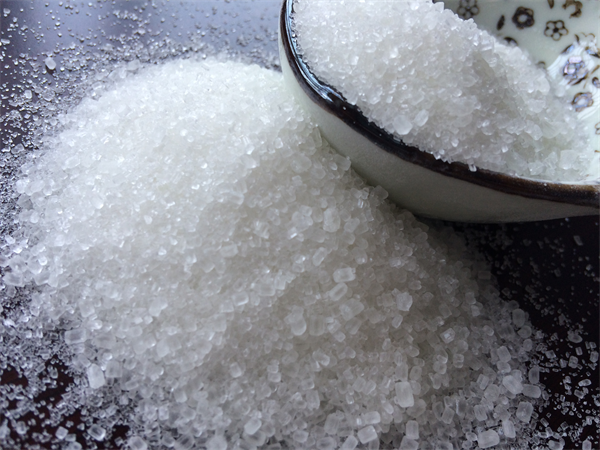
Ammonium sulfate is an important chemical product used in agriculture and several industrial applications. One significant industrial source is the caprolactam manufacturing process, where ammonium sulfate can be generated as a valuable by-product. Unlike fertilizer products selected primarily for their nutrient content, caprolactam-grade ammonium sulfate may be evaluated according to additional requirements involving chemical purity, physical characteristics, and consistency between production batches.
For chemical distributors, fertilizer manufacturers, and industrial buyers, understanding these requirements is essential when planning large-volume procurement. Selecting a dependable supplier of Capro Grade Ammonium Sulfate Bulk can help businesses maintain consistent material availability and meet their operational specifications. Buyers should consider production origins, quality documentation, packaging, transportation, and long-term supply arrangements before placing substantial orders.
What Is Caprolactam-Grade Ammonium Sulfate?
Caprolactam-grade ammonium sulfate is associated with ammonium sulfate recovered during the production of caprolactam, a chemical intermediate primarily used in manufacturing nylon 6.
Caprolactam production can generate ammonium sulfate as a by-product through processes involving ammonium-containing compounds and sulphuric acid. The recovered material can be processed, separated, dried, and prepared for commercial distribution.
Its chemical formula is (NH₄)₂SO₄. The compound generally appears as white or off-white crystals or granules and dissolves readily in water.
Although its chemical identity is the same as other ammonium sulfate products, its manufacturing origin and processing history can influence its physical properties and impurity profile. Buyers should therefore evaluate the actual product specifications rather than assume that all grades are interchangeable.
How Ammonium Sulfate Is Produced During Caprolactam Manufacturing
Caprolactam is an important intermediate in the production of nylon 6, a synthetic polymer used in textiles, engineering plastics, automotive components, and industrial materials.
Ammonium sulfate may be generated during certain caprolactam production routes. Its recovery involves separating the salt from the process mixture and preparing it for further use.
1. Chemical Process By-Product Formation
During caprolactam manufacturing, chemical reactions and process treatments can produce ammonium sulfate. The quantity and characteristics of the recovered material depend on the production technology and operating conditions.
2. Separation and Recovery
The ammonium sulfate is separated from the process stream using suitable industrial separation methods. Efficient recovery is important for obtaining a usable product while supporting the overall manufacturing process.
3. Purification and Processing
Depending on the production route and required commercial grade, additional processing may be used to reduce unwanted impurities and improve product consistency.
4. Crystallization and Drying
The recovered material may undergo crystallization and drying to achieve the required physical form and moisture characteristics.
5. Quality Inspection and Packaging
Before commercial distribution, the product should be evaluated against established specifications. Appropriate packaging helps protect the material during storage and transportation.
Important Quality Specifications for Caprolactam-Grade Ammonium Sulfate
Quality requirements can vary according to the manufacturing source, intended application, and buyer’s technical expectations. A reliable procurement process should begin with a clear product specification.
Chemical Composition
Standard ammonium sulfate typically contains approximately 21% nitrogen and 24% sulphur. These nutrients make the product useful in agricultural applications.
Buyers should verify the declared nutrient composition through a technical data sheet and batch-specific certificate of analysis.
Purity and Impurity Levels
Purity is an important consideration for industrial and agricultural buyers. Depending on the production process, recovered ammonium sulfate may contain different levels of residual impurities.
Relevant quality checks may include moisture, insoluble matter, free acidity, and other process-related impurities specified in the purchase agreement.
Moisture Content
Moisture affects the physical condition and storage behavior of ammonium sulfate. Excessive moisture may encourage caking and create difficulties during bulk handling.
Buyers should establish acceptable moisture limits before confirming an order.
Particle Size and Appearance
The product may be supplied in crystalline or granular form. Particle-size distribution influences material flow, packaging, dissolution, and compatibility with handling equipment.
Consistent appearance and particle size can make the product easier to manage during transportation and application.
Solubility
Ammonium sulfate is water-soluble, but buyers should confirm that the product meets the solubility requirements of their intended process.
Where solubility is critical, appropriate testing should form part of the incoming quality inspection.
Agricultural Applications of Caprolactam-Derived Ammonium Sulfate
Although it originates from an industrial manufacturing process, recovered ammonium sulfate can be used as an agricultural fertilizer when it meets the relevant quality and regulatory requirements.
Nitrogen Supply for Crop Growth
Ammonium sulfate provides nitrogen in ammonium form. Nitrogen supports chlorophyll production, protein synthesis, leaf development, and other important plant functions.
Adequate nitrogen availability helps crops maintain healthy vegetative growth and develop their yield potential.
Sulphur Nutrition
Sulphur contributes to amino acid formation, protein synthesis, and enzyme activity. It is particularly important for crops with relatively high sulphur requirements, including mustard and rapeseed.
Because ammonium sulfate supplies sulphur in sulphate form, plants can absorb it through their roots.
Use in Fertilizer Blending
Ammonium sulfate can be incorporated into fertilizer blends to increase nitrogen and sulphur content. Its compatibility with other materials should be evaluated according to the physical and chemical properties of the blending components.
Application Across Different Crops
Depending on soil conditions and crop requirements, ammonium sulfate may be used in fertilizer programs for wheat, rice, maize, oilseeds, and vegetables.
Application rates should be based on soil analysis and regional agronomic recommendations rather than a universal dosage.
Industrial Considerations When Purchasing in Bulk
Large-volume procurement requires careful coordination between product quality, supply capacity, commercial terms, and transportation.
Consistent Product Availability
Industrial buyers often need predictable quantities for manufacturing, blending, or distribution. Suppliers should be able to explain their production sources, inventory arrangements, and expected delivery schedules.
Batch-to-Batch Quality Control
Variations in moisture, particle size, and impurity levels can affect downstream operations. Buyers should request batch-specific documentation and establish acceptable quality limits in the purchasing contract.
Supplier Production Capability
Importers should determine whether the supplier manufactures the product directly, sources it from a chemical producer, or operates as a trading company.
Understanding the supply structure helps buyers evaluate product traceability and the supplier’s ability to fulfill recurring orders.
Technical Support
Suppliers should be able to answer questions about product specifications, storage, packaging, and handling. Clear technical communication is particularly valuable when buyers have specialized requirements.
Packaging and Logistics for Bulk Ammonium Sulfate
The correct packaging and transportation arrangement can help preserve product quality and control procurement costs.
Common Packaging Formats
Depending on order size and handling facilities, ammonium sulfate may be supplied in:
- Standard bags for distributors and agricultural retailers.
- Jumbo bags for larger industrial and wholesale customers.
- Bulk shipments for buyers with suitable storage and unloading infrastructure.
Packaging specifications should include bag weight, material, labeling, and moisture-protection requirements.
Transportation Planning
Bulk shipments require coordination between the supplier, freight forwarder, shipping company, and importer. Buyers should confirm the loading port, destination port, shipment schedule, and delivery responsibilities.
For international transactions, commercial terms such as FOB, CFR, and CIF should be clearly defined.
Storage Requirements
Ammonium sulfate should be stored in a dry, well-ventilated area. Bags should be protected from rain, excessive humidity, and direct contact with moisture-prone surfaces.
Good warehouse management helps reduce caking, packaging damage, and material loss.
Documents Buyers Should Request
Documentation supports product verification, customs clearance, and internal quality management.
| Document | Purpose |
|---|---|
| Technical Data Sheet | Describes chemical and physical product characteristics |
| Certificate of Analysis | Reports tested values for a specific batch |
| Safety Data Sheet | Provides handling, storage, and safety information |
| Commercial Invoice | Records transaction details and product value |
| Packing List | Identifies packaging, quantities, and shipment weights |
| Bill of Lading | Provides essential maritime transport information |
| Certificate of Origin | Identifies the country of origin when required |
Additional inspection or regulatory documents may be necessary depending on the destination market and intended use.
How to Choose a Reliable Caprolactam-Grade Ammonium Sulfate Supplier
Selecting a supplier involves evaluating more than the quoted price. Buyers should consider several factors before entering into a long-term purchasing arrangement.
Verify product specifications: Confirm nutrient composition, purity, moisture, particle size, and relevant impurity limits.
Check product traceability: Ask about the manufacturing origin and how individual batches are identified and inspected.
Evaluate export experience: Review the supplier’s ability to manage international shipments and provide accurate documentation.
Compare total costs: Consider product price, packaging, freight, insurance, customs charges, and inland transportation.
Review communication standards: Choose a supplier that provides clear quotations, timely updates, and reliable responses to technical questions.
Establish contractual requirements: Document product specifications, inspection procedures, shipment schedules, payment conditions, and procedures for handling quality disputes.
Conclusion
Caprolactam-grade ammonium sulfate is a commercially important by-product of nylon 6 intermediate manufacturing. After appropriate recovery and processing, it can serve agricultural and selected industrial markets where its chemical composition and physical characteristics meet the required specifications.
For bulk buyers, successful procurement depends on verifying product quality, understanding production origins, reviewing batch documentation, and planning packaging and transportation carefully. By establishing clear technical and commercial requirements, businesses can develop more dependable supply arrangements and maintain consistent access to ammonium sulfate for their agricultural or industrial operations.
About Post Author





More Stories
The Role of Xprinter Thermal Printers in Improving Retail Checkout Efficiency
How to Identify High-Quality Tissue Culture Plants Before Purchasing
Understanding Acoustic Panel Specifications Before Placing a Bulk Order