

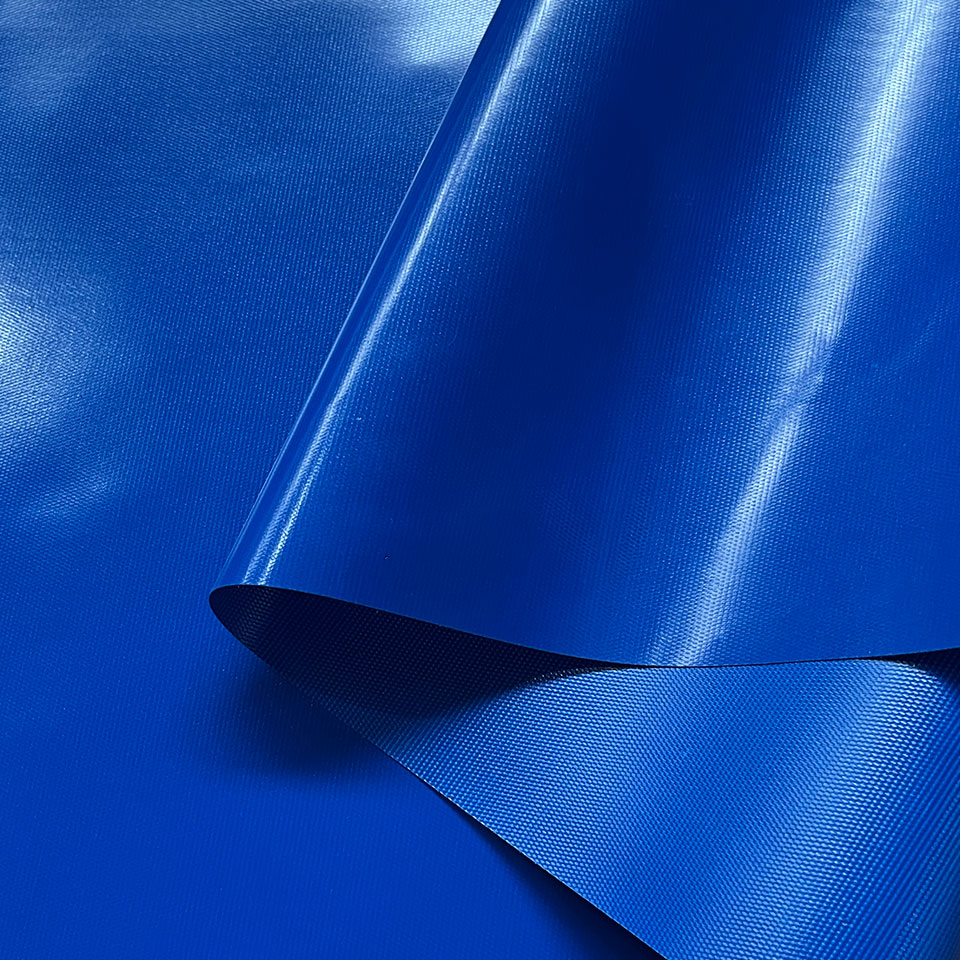
Transportation and logistics industries depend on reliable materials to protect goods throughout storage, loading, and delivery. Whether products are transported by trucks, trailers, or other commercial vehicles, exposure to rain, sunlight, dust, and wind can create challenges for businesses managing valuable cargo.
PVC tarpaulins provide a practical solution because of their durability, flexibility, and water-resistant properties. They are widely used for truck covers, cargo protection, temporary storage, and other transportation-related applications. Professional PVC Tarpaulin Manufacturers help meet these industry requirements by producing materials with different strengths, thicknesses, and protective characteristics.
1. Providing Reliable Protection Against Weather Conditions
Weather exposure is one of the major challenges in transportation and logistics. Cargo moving across different regions may encounter heavy rainfall, strong sunlight, humidity, and changing temperatures.
PVC tarpaulins help protect transported goods by creating a barrier against rain, moisture, and environmental exposure.
Manufacturers develop different material specifications to support outdoor applications. Depending on the product, these may include waterproof coatings, UV-resistant properties, and flexible fabric construction.
Choosing the appropriate material helps businesses protect cargo during transportation and temporary outdoor storage.
2. Manufacturing Heavy-Duty Truck and Trailer Covers
Truck and trailer covers are among the most common applications of PVC tarpaulins.
Commercial vehicles often carry construction materials, agricultural products, industrial equipment, and packaged goods. These items require suitable coverings to reduce exposure to environmental conditions during transit.
Manufacturers produce heavy-duty tarpaulins designed for repeated handling and demanding transportation environments.
Important characteristics include:
- High tensile strength to withstand pulling forces.
- Tear resistance to reduce damage during handling.
- Water resistance for protection against rain.
- UV resistance for prolonged outdoor exposure.
- Flexible construction for easier installation and removal.
These features help transportation companies select covers according to their vehicle designs and cargo requirements.
3. Offering Customized Sizes and Specifications
Transportation businesses use vehicles with different dimensions and covering systems. Standard tarpaulin sizes may not always provide the required fit.
Manufacturers address this challenge by offering customized dimensions, fabric weights, thicknesses, and colors.
Some orders may also require reinforced edges, eyelets, welded seams, or other finishing features to support secure installation.
Customization allows logistics companies to obtain covers that match their vehicle structures and operational requirements more accurately.
4. Supporting Cargo Protection During Long-Distance Transportation
Long-distance transportation exposes cargo to changing environmental conditions over extended periods.
Goods may travel through different climates and encounter dust, wind, rain, and direct sunlight. Suitable PVC tarpaulins help reduce these exposure-related risks.
For example, businesses transporting agricultural products or construction materials can use appropriate coverings to protect their cargo during transit.
The correct material selection depends on the type of goods, transportation duration, environmental conditions, and required protection level.
5. Improving Durability for Repeated Commercial Use
Transportation companies frequently install, remove, fold, and reposition tarpaulin covers. Materials used in these operations must withstand repeated handling without losing their essential protective properties too quickly.
Manufacturers consider fabric strength, coating quality, flexibility, and abrasion resistance when producing transportation-grade PVC tarpaulins.
Properly selected materials can help reduce premature damage and replacement frequency.
However, actual service life also depends on loading practices, installation methods, storage conditions, and maintenance.
6. Maintaining Waterproofing and Moisture Resistance
Moisture protection is essential when transporting products that can be damaged by water.
PVC-coated fabrics are commonly used because their protective coating helps prevent water penetration when the material is manufactured and maintained correctly.
Manufacturers use coating and lamination processes to achieve the required waterproofing characteristics.
Businesses should check product specifications and request relevant test information before purchasing tarpaulins for moisture-sensitive cargo.
It is also important to use suitable covering and fastening methods because poorly secured edges or damaged seams can allow water to enter.
7. Providing Solutions for Warehousing and Temporary Storage
Transportation and logistics operations involve more than moving goods between locations. Warehousing, loading areas, and temporary storage facilities also require protective materials.
PVC tarpaulins can be used for:
- Covering goods stored in outdoor areas.
- Creating temporary warehouse enclosures.
- Protecting loading and unloading zones.
- Covering pallets and packaged materials.
- Separating storage areas with industrial curtains.
Their flexible construction allows businesses to use them in different operational environments.
8. Supporting Efficient Loading and Unloading Operations
Loading and unloading activities often involve frequent handling of cargo covers. Materials that are difficult to fold, install, or remove can slow down daily operations.
Manufacturers offer PVC tarpaulins in different weights and flexibility levels to accommodate various handling requirements.
Appropriate eyelets, reinforced edges, and well-finished seams can also make installation and fastening more convenient.
Selecting suitable materials can help transportation teams manage covering procedures more efficiently.
9. Helping Logistics Businesses Manage Operating Costs
Operating costs are an important consideration for transportation companies. Frequent replacement of damaged covers can increase expenses and interrupt normal operations.
Choosing durable PVC tarpaulins can help businesses manage these costs by reducing premature material failure.
When comparing products, buyers should consider more than the initial purchase price.
Important factors include material quality, expected service life, maintenance requirements, repair possibilities, and replacement frequency.
A product that offers better performance over time may provide greater value even if its initial cost is higher.
10. Using Modern Manufacturing Technology for Consistent Quality
Modern manufacturing processes help improve the consistency and performance of PVC tarpaulins.
Depending on the production facility, manufacturing may involve automated fabric handling, PVC coating, lamination, precision cutting, and heat welding.
These processes influence the material’s thickness, surface uniformity, seam strength, and overall construction.
Quality testing may include tensile strength, tear resistance, coating adhesion, waterproofing, and weather resistance assessments.
For logistics businesses purchasing in bulk, consistent production quality is particularly important because different orders must meet the same operational requirements.
11. Meeting the Requirements of International Logistics Businesses
International transportation involves additional challenges because cargo may travel across different climates, shipping routes, and handling environments.
Businesses sourcing PVC tarpaulins internationally often require customized specifications, dependable production schedules, and clear export arrangements.
Manufacturers can support these requirements by providing technical documentation, product samples, packaging details, and information about available shipping methods.
Buyers should also confirm minimum order quantities, production lead times, payment terms, and export documentation before finalizing an order.
How to Choose the Right PVC Tarpaulin Manufacturer
Selecting an appropriate manufacturer is essential for obtaining products that meet transportation and logistics requirements.
Before making a decision, consider the following points:
- Check material specifications: Compare thickness, fabric weight, tensile strength, and waterproofing properties.
- Request samples: Examine flexibility, coating quality, and finishing.
- Evaluate production capacity: Confirm that the supplier can handle your order volume.
- Review quality control: Ask about testing procedures and technical documentation.
- Discuss customization: Confirm whether vehicle-specific sizes and reinforcement options are available.
- Verify delivery arrangements: Understand production schedules, packaging, and shipping conditions.
These steps can help logistics companies reduce purchasing risks and establish reliable supplier relationships.
Conclusion
PVC tarpaulins play an important role in transportation and logistics by protecting cargo, supporting outdoor storage, and providing durable covering solutions for commercial vehicles.
Manufacturers meet these industry needs through different material specifications, customized dimensions, improved coating technologies, and quality control procedures.
For transportation and logistics businesses, choosing the right manufacturer requires careful attention to durability, waterproofing, flexibility, production consistency, and delivery reliability.
By selecting materials according to their actual operational requirements, companies can improve cargo protection, manage replacement costs, and support more efficient transportation activities.
About Post Author


More Stories
Important Questions to Ask Before Choosing a Marine Bearing Supplier
How Xprinter Receipt Printers Improve Transaction Speed and Accuracy
CHZ Lighting Solutions: Improving Safety, Visibility, and Energy Efficiency