

Lighting is an essential part of creating safe, productive, and comfortable environments. From industrial facilities and commercial buildings to roads and public spaces, proper illumination helps people perform daily activities with greater confidence and efficiency. As businesses and municipalities face increasing pressure to manage electricity consumption and improve infrastructure, modern LED technology has become an important part of lighting development.
The shift toward energy-efficient illumination is also changing how organizations approach lighting projects. Instead of focusing exclusively on brightness, decision-makers now consider durability, light distribution, maintenance requirements, and environmental performance. Exploring modern product options from manufacturers such as CHZ Lighting can provide useful insight into the different LED solutions available for commercial, industrial, and outdoor applications. Choosing suitable lighting equipment can contribute to safer spaces while supporting long-term energy management.
The Connection Between Lighting and Workplace Safety
Adequate lighting is fundamental to maintaining visibility in environments where people operate machinery, handle materials, or move between different work areas. Poor illumination can make it difficult to recognize obstacles, read labels, inspect products, and identify potential hazards.
In industrial facilities, consistent lighting supports employees working around equipment, production lines, and storage systems. In commercial buildings, it helps create comfortable spaces for employees and visitors.
A properly designed lighting system should provide sufficient brightness without excessive glare or distracting shadows. Uniform light distribution is particularly important in areas where detailed tasks and regular movement take place.
How Modern LED Lighting Improves Visibility
LED technology offers several features that make it suitable for environments with different illumination requirements.
Consistent Light Distribution
Modern LED fixtures can incorporate specialized lenses and optical components that direct light toward specific surfaces and working areas.
This helps reduce uneven illumination and improve visibility across warehouses, production floors, parking areas, and public spaces. Appropriate fixture positioning is equally important to achieve balanced lighting.
Suitable Brightness for Different Activities
Different environments require different illumination levels. A manufacturing workstation may need focused lighting for detailed tasks, while a corridor or parking area requires more general illumination.
LED products are available in various lumen outputs, allowing lighting designers to select fixtures according to the size and purpose of each space.
Improved Color Rendering
The Color Rendering Index (CRI) measures how accurately a light source reveals the colors of objects compared with a reference source.
Good color rendering can be useful in inspection areas, healthcare facilities, retail stores, and manufacturing environments where identifying colors correctly matters.
Reduced Glare
Excessive glare can cause visual discomfort and make it difficult to see objects clearly. Modern LED lighting systems can use suitable optical designs, diffusers, and mounting arrangements to help control glare.
This is particularly important in offices, industrial workstations, and outdoor areas used by pedestrians and drivers.
Energy Efficiency as a Major Advantage of LED Solutions
Reducing electricity consumption is an important objective for organizations managing large commercial and industrial properties. Lighting systems can represent a considerable portion of operational energy use, especially in facilities that remain active for extended hours.
LED technology generally provides higher luminous efficacy than many traditional lighting alternatives. This means it can produce more visible light for each watt of electricity consumed.
Several characteristics contribute to its energy-saving potential.
Lower Power Consumption
LED fixtures can provide suitable illumination while consuming less electricity than many conventional lighting products.
For businesses operating multiple facilities, upgrading outdated lighting systems can help reduce overall energy demand.
Reduced Maintenance Expenses
Many LED products have longer operating lifespans than traditional alternatives. This can reduce the frequency of fixture replacement and the labor associated with maintenance.
Fewer replacements are especially valuable in facilities where lights are installed at considerable heights or in difficult-to-access locations.
Better Control Over Energy Usage
Compatible LED systems can integrate with dimmers, occupancy sensors, and daylight controls.
These technologies allow lighting levels to respond to actual requirements instead of operating continuously at maximum brightness.
Applications of LED Lighting Across Different Environments
Different locations require different lighting products. Understanding their applications helps businesses select suitable fixtures for each project.
Industrial Facilities and Manufacturing Plants
Manufacturing environments require dependable illumination to support equipment operation, product inspection, and employee movement.
LED high bay fixtures are commonly used in facilities with high ceilings, while linear lighting systems can provide consistent illumination across production lines and workstations.
Proper lighting design helps reduce shadows and improve visibility around machinery and operational areas.
Warehouses and Distribution Centers
Warehouses often contain large storage spaces, elevated racks, and loading zones. These environments benefit from fixtures capable of delivering sufficient illumination across extensive floor areas.
LED high bay lights and industrial linear fixtures are common options. Their selection should consider ceiling height, beam angles, lumen output, and fixture spacing.
Roads and Public Infrastructure
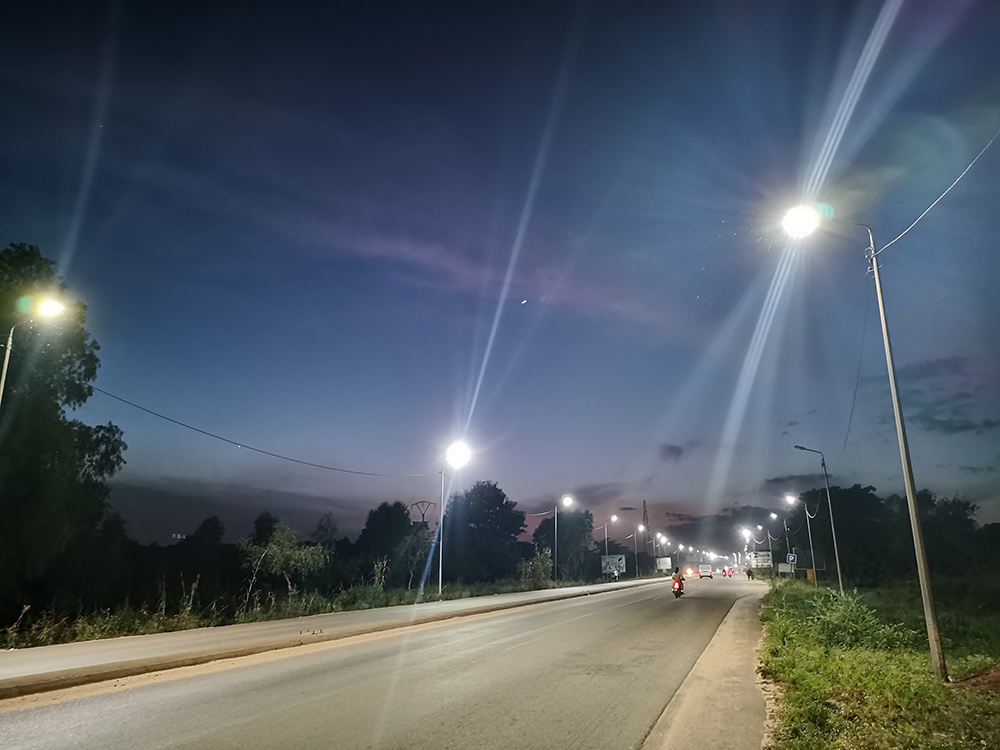
Streetlights and outdoor LED fixtures contribute to visibility for drivers, pedestrians, and cyclists.
Modern LED streetlighting can provide controlled illumination across roads, intersections, and pedestrian pathways while helping municipalities manage electricity expenses.
Optical distribution and appropriate brightness are essential to reduce glare and unnecessary light spill.
Commercial Buildings and Offices
Commercial interiors require lighting that supports productivity and visual comfort.
LED panel lights, downlights, and linear fixtures are frequently used in offices, conference rooms, shopping centers, and educational facilities. Color temperature and glare control should be considered when selecting products.
Parking Areas and Outdoor Facilities
Parking lots, loading zones, building entrances, and industrial yards require dependable outdoor illumination.
LED floodlights and area lights can help improve nighttime visibility. Weather resistance and suitable mounting arrangements are important because outdoor fixtures face changing environmental conditions.
Important Features to Consider When Choosing LED Lighting
Selecting suitable lighting equipment requires evaluating its technical specifications and installation environment.
The following factors can help guide purchasing decisions:
- Lumen output: Determines the total visible light produced by a fixture and helps establish whether it can illuminate the intended area.
- Luminous efficacy: Measured in lumens per watt, this indicates how efficiently a product converts electricity into visible light.
- Color temperature: Determines whether light appears warm, neutral, or cool, influencing the atmosphere and visual characteristics of a space.
- IP rating: Indicates protection against dust and water, making it especially important for outdoor and industrial applications.
- Thermal management: Effective heat dissipation helps maintain stable operation and protect LED components.
- Driver quality: A reliable LED driver supports consistent electrical performance and can influence fixture lifespan.
- Warranty and maintenance: Product support, replacement availability, and warranty conditions contribute to long-term value.
Comparing these specifications helps organizations identify products that meet their lighting requirements without unnecessary expenditure.
The Importance of Smart Lighting Controls
Intelligent lighting controls are becoming increasingly relevant in modern commercial and industrial environments. These technologies allow lighting systems to respond to occupancy, available daylight, and operating schedules.
Motion sensors can reduce unnecessary illumination in temporarily unoccupied spaces. Daylight sensors can adjust artificial lighting when sunlight provides sufficient brightness, while programmable schedules help manage lighting according to business hours.
Centralized control systems can also simplify the management of large facilities with multiple lighting zones.
When properly implemented, these features can improve energy efficiency while maintaining appropriate visibility and operational requirements.
How Proper Lighting Design Supports Safety and Efficiency
Installing efficient fixtures is only one part of a successful lighting project. The overall arrangement must also meet the needs of the environment.
Professional lighting planning considers several important elements:
- Space assessment: Evaluating room dimensions, ceiling heights, and operational activities.
- Illumination calculations: Determining suitable brightness levels for different tasks and locations.
- Fixture positioning: Planning mounting heights and spacing to reduce shadows and uneven lighting.
- Glare management: Selecting appropriate optics and installation angles to improve visual comfort.
- Environmental conditions: Choosing fixtures that can withstand moisture, dust, heat, and other site-specific challenges.
- Maintenance planning: Ensuring that fixtures can be inspected and serviced when necessary.
A well-planned installation can improve visibility while preventing excessive lighting and unnecessary electricity consumption.
Environmental Benefits of Energy-Efficient Lighting
LED lighting can contribute to sustainability goals by reducing electricity demand and associated emissions from power generation.
Its longer operating lifespan can also reduce the number of replacement fixtures required over time. This may help lower material consumption and lighting-related waste.
Responsible lighting design is equally important for outdoor environments. Properly shielded fixtures and controlled brightness can help minimize light pollution and reduce unnecessary illumination of nearby properties and natural habitats.
These considerations make energy-efficient lighting an important element of responsible infrastructure planning.
Future Trends in Modern Lighting Technology
The lighting industry continues to develop through improvements in LED efficiency, optical performance, and intelligent automation.
Connected lighting systems are becoming more common in smart buildings and urban infrastructure. They can support remote monitoring, automated dimming, and more detailed energy management.
Solar-powered LED fixtures are also creating additional possibilities for outdoor lighting, particularly in locations where conventional electrical connections are difficult to establish.
As these technologies advance, lighting systems are expected to become more adaptable, efficient, and integrated with broader building and infrastructure management platforms.
Conclusion
Modern LED lighting solutions play an important role in improving safety, visibility, and energy efficiency across commercial, industrial, and outdoor environments. Their advantages include lower electricity consumption, consistent illumination, longer operating lifespans, and compatibility with intelligent controls.
However, achieving these benefits requires selecting appropriate products and planning installations according to specific environmental and operational needs. By considering technical specifications, fixture placement, maintenance requirements, and energy performance, organizations can develop lighting systems that support safer workplaces and more sustainable operations.
About Post Author



More Stories
Important Questions to Ask Before Choosing a Marine Bearing Supplier
How Xprinter Receipt Printers Improve Transaction Speed and Accuracy
Private Label Notebooks: How to Create Customized Stationery for Your Brand