

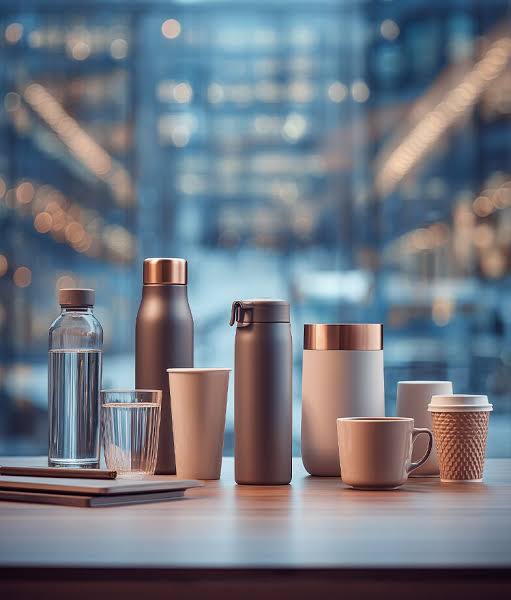
The drinkware industry continues to evolve as consumer preferences, manufacturing technologies, and environmental considerations influence the products businesses choose to purchase. Traditional bottles, mugs, and cups remain essential everyday items, but buyers are increasingly interested in improved functionality, distinctive designs, personalized products, and more responsible material choices. These developments are creating new opportunities for manufacturers, retailers, distributors, and promotional merchandise suppliers.
The future of Drinkware Wholesale will likely be shaped by three major areas: product innovation, customization, and sustainability. Businesses that understand these developments can make better sourcing decisions, respond to changing customer expectations, and develop product collections with long-term commercial potential. From advanced insulation technologies to personalized branding and recycled materials, the market offers several directions worth exploring.
1. Product Innovation Will Shape the Next Generation of Drinkware
Innovation is changing how manufacturers design and produce drinkware. Customers increasingly expect products to offer more than basic beverage storage. Practical features, improved materials, convenient handling, and attractive appearances can influence purchasing decisions.
Some areas of product innovation include:
- Improved insulation technology.
- Leak-resistant lid designs.
- Lightweight and durable construction.
- Convenient carrying features.
- More functional drinking openings.
- Better surface finishes.
- Modular accessories and replacement components.
These improvements can help manufacturers differentiate their products in competitive markets.
For wholesale buyers, evaluating innovation means looking beyond appearance. A product should offer useful features that match its intended application and provide consistent performance.
2. Smart Drinkware May Create New Market Opportunities
Technology is gradually influencing everyday consumer products, including drinkware. Smart bottles and connected hydration products represent an emerging category that some manufacturers are exploring.
Potential features include:
Hydration reminders: Certain smart bottles can remind users to drink water throughout the day.
Temperature displays: Some products incorporate digital displays that indicate beverage temperature.
Connected applications: Selected designs may connect with mobile applications to track hydration habits.
Electronic monitoring: More advanced products may include sensors that record usage-related information.
These features can appeal to technology-oriented consumers, fitness enthusiasts, and specialized retail markets.
However, smart drinkware is not suitable for every customer segment. Electronic components can increase manufacturing costs, introduce maintenance requirements, and create additional questions about battery life, water resistance, and product servicing.
Wholesale buyers should evaluate whether the technology provides meaningful customer value before investing in large quantities.
3. Advanced Insulation Will Remain Important
Insulated drinkware has become a significant product category because consumers use it for both hot and cold beverages. Improvements in insulation methods and product construction may continue to influence future designs.
Common products include:
- Vacuum-insulated stainless steel bottles.
- Double-wall tumblers.
- Insulated travel mugs.
- Thermal beverage containers.
- Reusable cups with insulated walls.
Future product development may focus on improving temperature retention, reducing product weight, enhancing lid performance, and making cleaning easier.
For wholesale buyers, insulation claims should be supported by clear testing information. Ask manufacturers about construction methods, performance standards, and the conditions used during product testing.
A well-designed insulated product can serve retail customers, office workers, commuters, and outdoor users.
4. Customization Will Become an Important Competitive Advantage
Personalization is one of the strongest opportunities in the promotional drinkware market. Businesses increasingly look for products that reflect their brand identity, customer preferences, or specific marketing campaigns.
Customization can transform a standard bottle or mug into a distinctive retail product or promotional gift.
Popular customization options include:
- Company logos.
- Personalized names.
- Custom color combinations.
- Printed messages.
- Laser-engraved designs.
- Unique patterns.
- Branded packaging.
These options are useful for corporate gifts, employee merchandise, exhibitions, customer appreciation programs, and retail collections.
Manufacturers that offer flexible customization services can help wholesale buyers serve customers with different branding requirements.
5. Digital Printing Will Expand Design Possibilities
Printing technology is making it easier to create detailed designs on suitable drinkware surfaces. Depending on the material and product shape, manufacturers may offer different decoration methods.
UV printing: Can support detailed graphics and multicolor designs on compatible surfaces.
Laser engraving: Creates permanent markings on suitable metal products.
Screen printing: Commonly used for logos, text, and simpler designs.
Heat-transfer decoration: Suitable for selected materials and product applications.
As printing equipment and production processes develop, customization may become more accessible for a wider range of product quantities and design styles.
Buyers should still evaluate print durability, color consistency, and surface compatibility. Requesting a customized sample before approving a large order helps confirm the expected result.
6. Sustainable Materials Will Influence Future Product Development
Environmental considerations are becoming more relevant in drinkware sourcing. Businesses and consumers are exploring reusable products and materials that may help reduce reliance on disposable beverage containers.
Materials worth exploring include:
Stainless Steel
Stainless steel is valued for its strength, corrosion resistance, and suitability for reusable bottles and tumblers. Its durability can support repeated use when products are properly manufactured and maintained.
Recycled Plastic
Products made with verified recycled plastic content can provide another material option. Buyers should confirm the percentage of recycled content and ensure the material meets applicable requirements for its intended use.
Glass
Glass is reusable and can be recycled through suitable collection systems. It is commonly used for beverage bottles and drinking containers, although transportation protection is important.
Bamboo Components
Bamboo may be incorporated into lids, sleeves, and decorative accessories. Buyers should check whether the product uses bamboo throughout or only as one component.
Ceramic
Ceramic mugs are widely used for repeated beverage consumption and can serve retail, hospitality, and corporate gifting markets.
No material is automatically sustainable in every application. Product lifespan, manufacturing resources, transportation, maintenance, and disposal all influence environmental performance.
7. Reusable Drinkware Will Support Changing Consumer Preferences
Reusable drinkware is likely to remain relevant as consumers look for practical alternatives to disposable beverage containers.
Water bottles, travel mugs, and reusable cups can be incorporated into everyday routines at home, in offices, during travel, and at outdoor events.
For wholesale businesses, this creates opportunities to develop collections for different customer groups.
Examples include:
- Everyday reusable water bottles.
- Office coffee mugs.
- Travel tumblers.
- Sports hydration containers.
- Reusable hospitality cups.
- Customized corporate drinkware.
Product durability is particularly important in this category. Buyers should evaluate materials, closures, surface finishes, and cleaning requirements before choosing products for large-scale distribution.
8. Functional and Ergonomic Designs Will Attract Attention
Product convenience is an important factor in purchasing decisions. Even when a drinkware item has attractive branding or advanced materials, customers may be less interested if it is uncomfortable or difficult to use.
Manufacturers are therefore likely to continue exploring designs that improve everyday functionality.
Potential design improvements include:
- Comfortable grips.
- Easy-to-open lids.
- Secure closures.
- Convenient carrying loops.
- Wider openings for cleaning.
- Practical drinking spouts.
- Stackable cup designs.
- Replaceable lids and seals.
These features can appeal to customers with different lifestyles and usage requirements.
Wholesale buyers should consider how products will be used rather than selecting designs based only on appearance.
9. Personalization May Extend Beyond Corporate Logos
Customization is not limited to business branding. Consumers may also seek products that reflect their individual preferences.
Personalized drinkware can include names, initials, favorite colors, decorative patterns, and special messages.
This creates opportunities for:
- Gift retailers.
- Online personalized merchandise stores.
- Event organizers.
- Promotional product distributors.
- Lifestyle brands.
- Corporate gifting companies.
Manufacturers that can manage different artwork requirements and consistent production standards may be better positioned to support these applications.
However, personalization can increase production complexity. Buyers should confirm minimum quantities, artwork approval processes, setup fees, and delivery schedules before accepting customized orders.
10. Sustainable Packaging Will Become Part of Product Evaluation
Product materials are only one part of responsible sourcing. Packaging can also influence the overall environmental impact of a drinkware order.
Wholesale buyers may increasingly ask suppliers about:
- Recycled-content cardboard cartons.
- Paper-based protective materials.
- Reduced unnecessary plastic packaging.
- Reusable storage solutions.
- Responsibly sourced paper products.
- Efficient carton dimensions.
Packaging must still protect products during transportation. Fragile glass and ceramic items require adequate cushioning, while metal bottles and tumblers need protection against scratches and dents.
The objective should be to balance material reduction with effective product protection.
11. E-Commerce Will Influence Wholesale Drinkware Purchasing
Online retail continues to affect how businesses discover, compare, and purchase products. Wholesale drinkware suppliers may increasingly use digital catalogs, product specification pages, and online inquiry systems to serve buyers.
Digital purchasing tools can make it easier to:
- Review product variations.
- Compare materials and capacities.
- Request quotations.
- Submit customization requirements.
- Share artwork files.
- Track order progress.
- Reorder previously purchased products.
Clear online product information can also help international buyers evaluate suppliers before beginning direct communication.
For manufacturers, accurate product descriptions, updated catalogs, and accessible customer support can improve the purchasing experience.
12. Data and Market Research Will Improve Inventory Decisions
As product ranges expand, wholesale buyers need reliable ways to understand customer demand and manage inventory.
Market research and sales data can help businesses identify which products perform consistently and which are influenced by seasonal trends.
Useful information includes:
- Previous sales volumes.
- Customer preferences.
- Popular product capacities.
- Preferred materials.
- Seasonal demand patterns.
- Return and complaint rates.
- Inventory turnover.
- Promotional campaign performance.
Businesses can use this information to forecast purchasing requirements and avoid excessive stock.
For example, a distributor may discover that stainless steel bottles sell consistently throughout the year, while certain seasonal colors experience short periods of higher demand.
Using actual sales information can make purchasing decisions more reliable than relying solely on general market trends.
13. Corporate and Promotional Markets Will Continue to Create Opportunities
Promotional drinkware remains a practical option for companies looking to combine branding with everyday usefulness.
Potential applications include:
- Employee welcome packages.
- Customer appreciation gifts.
- Trade show merchandise.
- Conference giveaways.
- Corporate anniversaries.
- Sports sponsorship campaigns.
- Product launches.
- Retail-branded collections.
Businesses may increasingly look for products that combine attractive designs, customization, and documented material information.
Wholesale suppliers can respond by offering different product tiers, branding methods, and packaging options.
Reliable production schedules are especially important because promotional orders are often connected to specific events or campaign dates.
14. How Wholesale Buyers Can Prepare for Industry Changes
Businesses do not need to adopt every new product trend immediately. Instead, they should evaluate developments according to customer demand, operational requirements, and financial resources.
A practical preparation strategy includes:
- Monitor customer preferences: Collect feedback and review purchasing patterns.
- Explore new materials: Compare product characteristics and supporting documentation.
- Test innovative designs: Request samples before committing to large orders.
- Review customization services: Identify branding methods that suit your target customers.
- Evaluate sustainability claims: Verify recycled content and other environmental statements.
- Compare manufacturers: Assess production capabilities, quality control, and communication.
- Use sales data: Forecast inventory requirements based on actual performance.
- Start with manageable quantities: Test demand before expanding a new product category.
This approach allows businesses to explore innovation without taking unnecessary purchasing risks.
15. What to Look for in Future-Focused Drinkware Manufacturers
Manufacturers play an important role in introducing new products and supporting changing wholesale requirements. Buyers should evaluate whether potential suppliers have the capabilities needed to support both current orders and future product development.
Important considerations include:
Product development: Does the manufacturer introduce useful designs and improve existing products?
Material knowledge: Can it explain material composition and provide relevant documentation?
Customization capabilities: Does it offer suitable printing, engraving, and packaging options?
Quality management: Are production standards and inspection procedures clearly defined?
Production flexibility: Can it accommodate different order quantities and product variations?
Communication: Does it provide accurate information about specifications and delivery schedules?
Compliance awareness: Can it support the requirements of the markets where products will be sold?
A supplier that combines manufacturing experience with transparent communication can help businesses respond more effectively to changing market requirements.
16. Challenges That Could Influence the Future of Drinkware Wholesale
Although innovation creates opportunities, the industry also faces challenges that wholesale buyers should consider.
Rising Material and Production Costs
Changes in raw material prices, energy expenses, and transportation costs can affect product quotations and profit margins.
Increased Competition
More manufacturers and distributors may enter popular product categories, making product differentiation and supplier selection increasingly important.
Complex Sustainability Claims
Businesses need to distinguish between verified environmental improvements and unsupported marketing language.
Customization Requirements
Personalized products can increase production time, setup costs, and quality control demands.
Changing Regulations
Product safety, food-contact requirements, packaging rules, and environmental regulations may differ between markets and change over time.
Supply Chain Uncertainty
Material availability, transportation disruptions, and manufacturing capacity can affect delivery schedules.
Businesses that monitor these challenges and maintain flexible purchasing plans may be better prepared to manage unexpected changes.
17. The Importance of Balancing Innovation, Quality, and Price
New features and attractive designs can make drinkware more appealing, but innovation should not replace basic product quality.
Wholesale buyers should assess whether a new feature provides genuine value and whether the manufacturer can produce it consistently.
A useful evaluation should include:
| Evaluation factor | What buyers should consider |
|---|---|
| Innovation | Practical value of new product features |
| Customization | Available branding methods and design flexibility |
| Sustainability | Verified material information and product lifespan |
| Durability | Construction quality and expected use |
| Safety | Relevant food-contact and market compliance |
| Pricing | Complete cost, including additional charges |
| Manufacturing | Production capacity and quality control |
| Delivery | Realistic lead times and shipping arrangements |
A balanced approach helps businesses select products that are commercially suitable rather than following trends without evaluating their practical benefits.
Conclusion
The future of drinkware wholesale will be influenced by changing consumer preferences, product innovation, customization, and growing attention to material choices. Smart features, advanced insulation, ergonomic designs, personalized branding, and reusable materials are among the developments that may shape future product collections.
For manufacturers and wholesale buyers, these changes create opportunities to develop more useful and distinctive drinkware products. However, successful sourcing will continue to depend on reliable quality, transparent product specifications, competitive pricing, and dependable production schedules.
Businesses that monitor customer demand, test new products carefully, verify sustainability claims, and build strong manufacturing relationships can adapt more effectively to market developments. By balancing innovation with practical value, the drinkware industry can continue creating products that meet evolving retail, corporate, and promotional requirements.
About Post Author




More Stories
Why Regular Audit Services Are Essential for Effective Risk Management
What Makes a Good O-Ring Seal Supplier for High-Performance Applications?
Key Benefits of Wind Power Oil Immersed Transformers in Renewable Energy Systems