

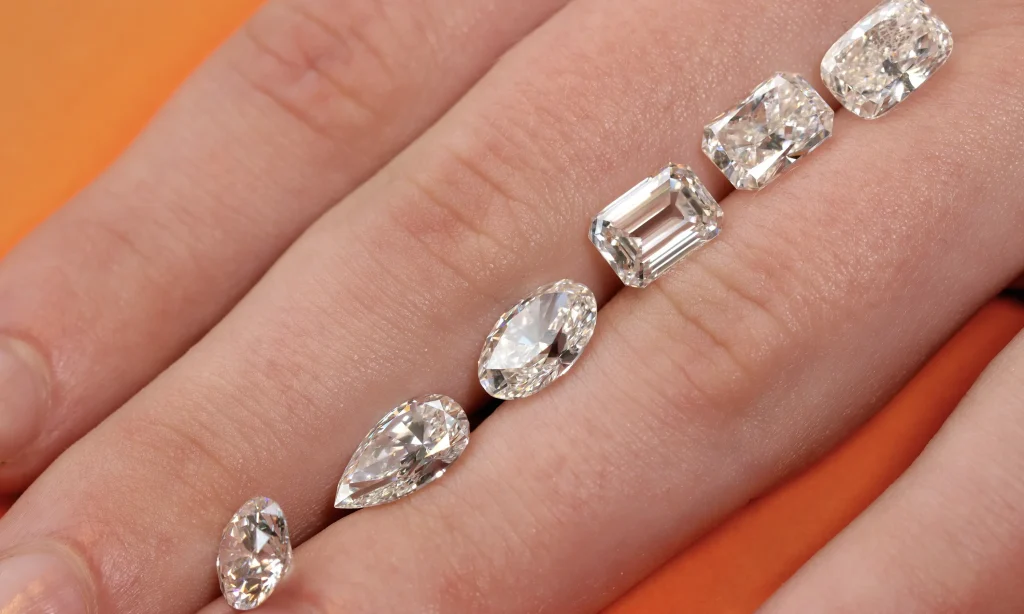
Building a successful jewelry business requires more than offering attractive products and competitive prices. Reliable suppliers, consistent product quality, and effective communication all contribute to long-term business growth. For jewelry retailers, wholesalers, and designers, choosing the right manufacturing partner is especially important when sourcing lab grown diamonds.
Working with a dependable Lab Grown Diamond Manufacturer can help businesses maintain consistent inventory, manage purchasing requirements, and develop products that meet customer expectations. However, a successful partnership does not happen automatically. It requires careful supplier selection, clear agreements, mutual trust, and ongoing communication.
Understand Your Business Requirements Before Choosing a Manufacturer
The first step toward building a long-term partnership is understanding what your business actually needs. Different jewelry companies have different sourcing priorities depending on their product categories, target customers, and purchasing volumes.
For example, a retailer specializing in engagement rings may prioritize round and oval diamonds, while a wholesale distributor may require multiple shapes, sizes, and quality grades.
Before approaching manufacturers, identify your main requirements:
- Preferred diamond shapes and cutting styles.
- Required carat weights and dimensions.
- Color and clarity specifications.
- Expected monthly or annual order quantities.
- Budget and pricing expectations.
- Customization and packaging requirements.
- Production and delivery timelines.
Having clearly defined expectations makes supplier evaluation easier and helps prevent misunderstandings later.
Research the Manufacturer’s Experience and Capabilities
A manufacturer’s experience can provide useful insight into its technical knowledge and ability to handle different production requirements.
Lab grown diamonds are primarily produced through two established methods: High Pressure High Temperature (HPHT) and Chemical Vapor Deposition (CVD).
Both methods involve specialized equipment and controlled production environments. A knowledgeable manufacturer should understand these processes and be able to explain its production capabilities.
When researching potential suppliers, consider their experience with diamond growth, cutting, polishing, quality inspection, and wholesale order management.
It is also useful to understand whether they can accommodate customized specifications and recurring orders as your business expands.
Prioritize Consistent Quality Standards
Product quality is one of the most important factors in maintaining a successful supplier relationship. Customers expect jewelry businesses to provide diamonds that match their advertised specifications.
Manufacturers should have structured quality control procedures to evaluate diamonds throughout the production process.
Important quality characteristics include:
Cut Quality
Cut influences how effectively a diamond interacts with light. Proportions, symmetry, and polish all contribute to its overall visual appearance.
Color
Color grading measures the presence of color in a diamond. Consistent color specifications help businesses maintain uniformity across product collections.
Clarity
Clarity evaluates internal inclusions and external blemishes. Buyers should establish acceptable clarity ranges before placing orders.
Carat Weight
Carat represents a diamond’s weight. Physical measurements should also be considered because diamonds with identical weights can have different dimensions.
Requesting samples and reviewing independent grading reports where available can help confirm whether a manufacturer meets your quality expectations.
Establish Clear Communication From the Beginning
Strong communication is essential for any long-term business relationship. Jewelry businesses need accurate information about product availability, specifications, production progress, and delivery schedules.
Direct communication with a manufacturer can make it easier to discuss technical requirements and resolve questions without unnecessary delays.
To establish an effective communication process:
- Share product specifications in writing.
- Confirm quotations and order details before payment.
- Request regular production updates.
- Discuss potential delays as early as possible.
- Keep records of important business discussions.
- Establish a clear contact process for urgent issues.
Professional communication reduces confusion and helps both parties work toward shared business objectives.
Start With a Trial Order
Even after researching a supplier, it is sensible to begin with a smaller order before making a significant purchasing commitment.
A trial order provides an opportunity to evaluate the manufacturer’s actual performance rather than relying entirely on product descriptions or promises.
During this stage, assess:
- Whether delivered diamonds match the agreed specifications.
- Overall cutting and polishing quality.
- Accuracy of product documentation.
- Packaging and shipping standards.
- Delivery timelines.
- Responsiveness to questions or concerns.
A successful initial transaction can provide a foundation for larger orders and a more established working relationship.
Agree on Transparent Pricing and Payment Terms
Financial transparency helps prevent disagreements and creates a more stable business relationship.
Before confirming an order, buyers should understand how pricing is calculated and whether additional charges apply.
Wholesale quotations may vary depending on diamond quality, shape, carat weight, quantity, grading documentation, and customization requirements.
Important commercial details to discuss include:
- Minimum order quantities.
- Pricing for different diamond specifications.
- Bulk purchasing discounts.
- Deposit and payment schedules.
- Shipping and insurance expenses.
- Cancellation and refund policies.
- Procedures for incorrect or defective products.
Both parties should document agreed terms clearly. This creates accountability and makes future transactions easier to manage.
Maintain Transparency Around Certification and Documentation
Proper documentation is important for building trust in the diamond supply chain.
A reliable manufacturer should provide accurate information about diamond characteristics and explain which independent grading reports are available.
Reports from recognized gemological laboratories can help verify details such as carat weight, color, clarity, and diamond origin.
Buyers should also understand the difference between internal manufacturer inspections and independent grading. Both can serve useful purposes, but they are not interchangeable.
Maintaining organized product records makes it easier for jewelry businesses to manage inventory, answer customer questions, and maintain transparent product descriptions.
Develop a Reliable Inventory and Supply Plan
A long-term manufacturing partnership should support your business’s changing inventory requirements.
As sales increase, purchasing needs may become more complex. A retailer may need additional diamond sizes, while a wholesaler may require larger quantities across several product categories.
Discuss future supply requirements with your manufacturer so both parties can plan accordingly.
A useful inventory strategy should consider:
- Regular purchasing schedules.
- Seasonal demand fluctuations.
- Popular diamond shapes and sizes.
- Minimum stock requirements.
- Expected production lead times.
- Backup arrangements for urgent orders.
Sharing reasonable forecasts can help manufacturers understand upcoming demand and coordinate production more effectively.
Explore Customization and Product Development Opportunities
Long-term partnerships can create opportunities beyond regular diamond purchasing.
As manufacturers become familiar with a jewelry brand’s preferences, discussions about customized specifications and new product ideas may become more productive.
For example, a business may want to develop an exclusive engagement ring collection, introduce different fancy-shaped diamonds, or source stones with specific quality combinations.
Manufacturers with suitable production capabilities may support these requirements through customized cutting, diamond selection, and product specifications.
This collaboration can help jewelry businesses develop distinctive collections and respond to changing customer preferences.
Evaluate the Manufacturer’s Customer Support
A supplier’s responsibility should not end once an order has been shipped. Reliable after-sales support is an important part of a sustainable business relationship.
Problems such as shipment delays, documentation discrepancies, or differences in product specifications may occasionally occur.
A professional manufacturer should have a clear process for handling these situations.
Before entering a long-term agreement, understand how the supplier manages complaints, replacements, returns, and other order-related concerns.
The way a manufacturer responds to problems can reveal as much about its professionalism as the quality of its products.
Monitor Performance and Review the Partnership Regularly
Even successful supplier relationships benefit from periodic evaluation.
Business requirements change, customer preferences evolve, and market conditions can influence pricing and product availability.
Reviewing supplier performance helps ensure that the partnership continues to meet your expectations.
Consider evaluating the following areas:
| Performance Area | What to Evaluate |
|---|---|
| Product quality | Consistency with agreed specifications |
| Pricing | Competitive and transparent quotations |
| Delivery | Accuracy of production and shipping timelines |
| Communication | Response times and clarity |
| Documentation | Accuracy and availability of reports |
| Customer support | Effectiveness in resolving issues |
Regular reviews can identify improvement opportunities before small problems become larger business challenges.
Build Trust Through Mutual Professionalism
A successful partnership requires effort from both the buyer and the manufacturer.
While suppliers should maintain quality standards and communicate honestly, buyers should also provide accurate specifications, realistic timelines, and clear purchasing expectations.
Mutual professionalism helps create an environment where both parties can plan more effectively.
Avoid making assumptions about pricing, production capacity, or delivery commitments. Instead, discuss expectations openly and document important agreements.
Trust develops through consistent performance over multiple transactions, not simply through initial promises.
Adapt to Changes in the Lab Grown Diamond Market
The diamond industry continues to evolve as manufacturing technology, consumer preferences, and pricing trends change.
Lab grown diamonds have become increasingly popular because they offer the same fundamental properties as natural diamonds while generally providing a more accessible price point.
However, wholesale prices can fluctuate as production capacity and market supply develop.
Long-term manufacturing partners should be able to communicate relevant changes and help buyers understand how these developments may affect sourcing decisions.
Staying informed about market conditions allows jewelry businesses to adjust inventory strategies and maintain competitive product offerings.
Common Mistakes to Avoid When Building a Supplier Partnership
Businesses can encounter unnecessary difficulties when they rush into manufacturing agreements without proper evaluation.
Some common mistakes include:
- Choosing suppliers based only on the lowest price.
- Placing large orders without checking product samples.
- Ignoring grading documentation and quality standards.
- Failing to establish written payment and delivery terms.
- Depending on unclear verbal commitments.
- Neglecting communication after placing orders.
- Assuming that product quality will remain consistent without regular checks.
Avoiding these mistakes can help businesses establish more reliable supplier relationships and reduce purchasing risks.
Conclusion
Building a long-term partnership with a trusted lab grown diamond manufacturer requires careful planning, consistent communication, and mutual accountability. From evaluating production capabilities to establishing quality standards and transparent commercial terms, every stage contributes to a successful business relationship.
Jewelry retailers and wholesalers should focus on more than immediate pricing advantages. Product consistency, dependable delivery, accurate documentation, and responsive customer support are equally important when selecting a manufacturing partner.
By starting with clear expectations, evaluating performance regularly, and maintaining professional communication, businesses can develop lasting partnerships that support inventory management, product development, and sustainable growth in the evolving lab grown diamond industry.
About Post Author




More Stories
How to Select Durable DMS Seals for Demanding Industrial Environments
A Guide to Choosing the Right Flag Banner Stand for Your Marketing Needs
How to Clean and Maintain a Neoprene Beach Bag After Beach Trips