

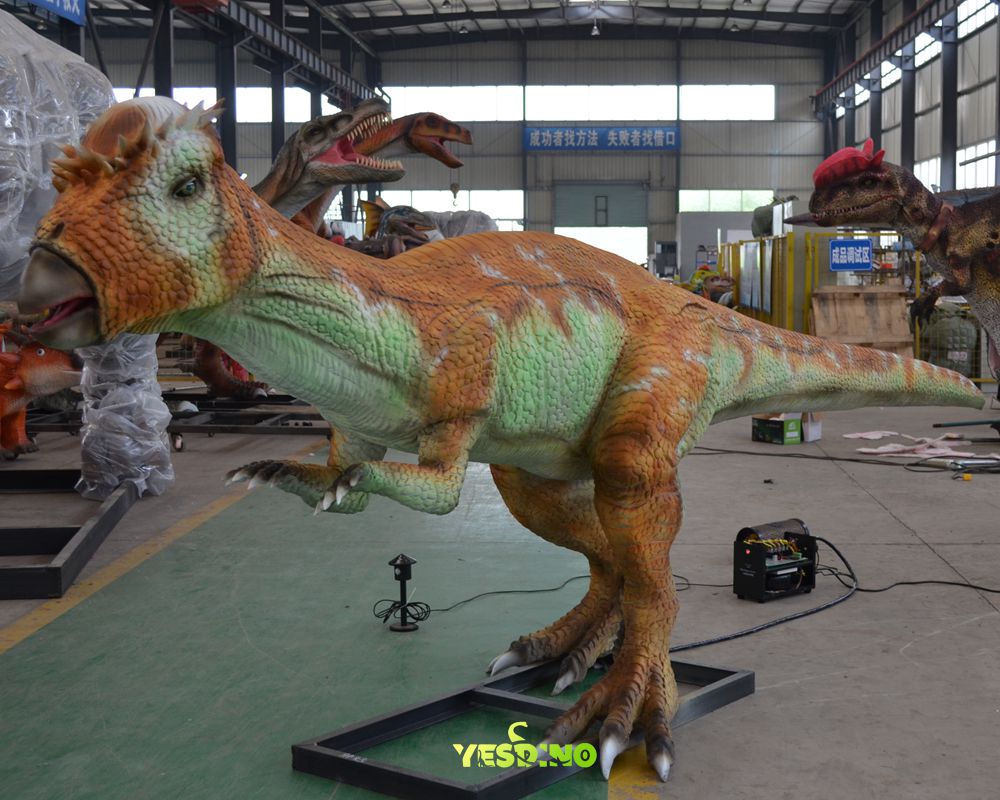
Modern entertainment and educational attractions are constantly evolving to provide visitors with more engaging and memorable experiences. Traditional displays and decorative sculptures still have their place, but many venues are incorporating moving figures, interactive technology, and realistic environmental designs to capture visitors’ attention. Among these innovations, mechanical wildlife displays have become an effective way to combine visual storytelling with entertainment and education.
The growing popularity of Animatronic Animals reflects the demand for realistic attractions that bring different animal species to life through mechanical movements and sound effects. These figures combine engineering, electronic controls, and artistic craftsmanship to reproduce natural-looking animal features. From moving elephants in themed parks to roaring lions in museum exhibitions, they create opportunities to make ordinary spaces more immersive and interesting.
What Makes Animatronic Animals Different from Traditional Displays?
Traditional animal sculptures are primarily designed for visual presentation. Although they can feature impressive details, they remain stationary and cannot reproduce natural movements.
Animatronic figures offer a different experience by incorporating mechanical components that allow selected body parts to move. Their internal systems may include motors, actuators, sensors, and programmable controllers.
Depending on their design, these models can perform actions such as:
- Turning their heads and moving their necks.
- Opening and closing their mouths.
- Blinking their eyes.
- Moving their tails.
- Simulating breathing.
- Producing species-related sounds.
- Responding to visitors through motion sensors.
These capabilities create a more dynamic presentation and allow attractions to develop interactive experiences around animal displays.
How Animatronic Technology Works
The production of a realistic animatronic animal involves several technologies working together. Mechanical engineering provides movement, electronic systems manage operations, and specialized materials create the external appearance.
Mechanical Framework and Movement
The internal framework supports the animal’s structure and provides a foundation for its moving components.
Manufacturers commonly use metal structures to support the figure’s weight and maintain stability. Motors and actuators are then installed to control different body sections.
For example, an animatronic elephant may use mechanical systems to move its trunk and head, while a bird model may include mechanisms for wing and neck movements.
Electronic Controls and Programming
Electronic controllers coordinate the movements and timing of different actions.
Programmed sequences determine when individual body parts move, how quickly they operate, and when sound effects are activated.
Some models use automatic operating cycles, while others include remote controls or sensor-based activation.
Realistic Exterior Materials
The exterior design determines how closely the finished model resembles a real animal.
Depending on the application, manufacturers may use silicone, fiberglass, latex, specialized rubber, and other materials.
Artists add details such as fur patterns, wrinkles, scales, feathers, and natural color variations. These finishing techniques help create a lifelike appearance while covering the internal mechanical structure.
Sound and Interactive Effects
Sound systems can reproduce animal calls, roars, growls, and other species-related audio.
When synchronized with mechanical movements, these effects make the display more convincing. Motion sensors can also activate specific actions when visitors approach, creating additional opportunities for interaction.
Transforming Theme Parks into Immersive Wildlife Environments
Theme parks are among the most common environments for animatronic animal installations. These figures help establish themed areas and provide attractions that appeal to families, children, and wildlife enthusiasts.
Creating Realistic Animal Habitats
Animatronic animals can be combined with artificial trees, rocks, decorative plants, water features, and environmental sound effects to recreate natural-looking habitats.
For example, a jungle-themed area may include mechanical tigers, elephants, monkeys, and tropical birds. A safari-themed attraction could feature giraffes, zebras, lions, and other recognizable wildlife species.
Themed landscaping helps connect individual displays and creates a more consistent visitor experience.
Improving Visitor Engagement
Moving animal figures naturally attract attention. Visitors may stop to observe their movements, listen to their sounds, or activate interactive features.
Large mechanical animals can also become recognizable landmarks within a park, helping visitors identify important areas and creating popular photography locations.
Supporting Themed Rides and Shows
Animatronic animals can be incorporated into themed rides, theatrical presentations, and scheduled demonstrations.
Their movements can be synchronized with lighting, music, and environmental effects to support storytelling.
This approach allows theme parks to develop attractions that combine physical installations with entertainment programming.
Making Museums More Interactive and Educational
Museums play an important role in explaining wildlife, biodiversity, and natural history. Animatronic animals can support these educational objectives by presenting physical representations of different species.
Demonstrating Animal Behavior
Mechanical models can demonstrate selected animal movements that visitors might otherwise find difficult to observe.
For instance, an animatronic bird may demonstrate wing movement, while a crocodile model can show jaw action. These displays provide visual examples that complement written educational information.
Teaching Children About Wildlife
Children often respond positively to visual and interactive learning experiences.
Animatronic animal displays can make museum visits more engaging by introducing recognizable creatures through movement and sound.
Information panels can explain each animal’s habitat, diet, physical characteristics, and conservation status.
Representing Rare and Extinct Species
Some animals are difficult to observe because they live in remote environments or have become extinct.
Realistic replicas can help museums introduce these species to visitors without requiring live animal exhibits.
When accompanied by accurate scientific information, they can support educational discussions about biodiversity and environmental changes.
Applications in Other Interactive Attractions
Beyond theme parks and museums, animatronic animals are used in several other environments.
Shopping Malls and Family Entertainment Centers
Shopping malls often organize themed exhibitions to attract families and encourage visitors to explore commercial spaces.
Mechanical animal figures can become central attractions during seasonal events, promotional campaigns, and educational activities.
Their visual appeal makes them suitable for both temporary displays and permanent installations.
Zoos and Wildlife Education Centers
Animatronic replicas can complement educational areas within zoos and wildlife centers.
They may be used to introduce animals that are not present at a particular facility or to demonstrate physical characteristics through interactive presentations.
These models can also support conservation awareness programs by highlighting endangered species and their environmental challenges.
Trade Shows and Corporate Exhibitions
Businesses participating in exhibitions often look for distinctive display elements that attract attention.
Customized animatronic animals can help create memorable exhibition spaces, particularly for companies involved in entertainment, education, tourism, and wildlife-related industries.
Film Productions and Live Performances
Mechanical animal figures are also useful in film, television, stage productions, and live shows.
They can reproduce physical actions when a practical animal representation is required. Their movements and exterior appearance can be customized according to the creative needs of a production.
Benefits of Using Animatronic Animals in Public Attractions
The growing use of animatronic wildlife displays can be explained by several practical and creative advantages.
Greater visual appeal: Realistic movements and detailed appearances attract attention more effectively than many ordinary decorative displays.
Educational value: Physical animal representations help visitors understand different species and their characteristics.
Interactive entertainment: Sensors and programmed actions encourage visitors to participate in the experience.
Creative flexibility: Models can be developed in different sizes, species, poses, and movement configurations.
Controlled environments: Mechanical replicas can present animal-inspired experiences without the feeding, veterinary care, and habitat management required for live animals.
Flexible installation: Depending on their construction, models can be installed in museums, indoor entertainment centers, outdoor parks, and exhibition halls.
These advantages make animatronic displays a useful option for venues seeking to combine education and entertainment.
Factors to Consider Before Installing Animatronic Animals
Successful installations require careful planning. Selecting a model without considering its environment and technical requirements can create unnecessary operational difficulties.
Size and Available Space
The model’s dimensions should match the installation area.
Buyers should measure the available floor space, ceiling height, access routes, and movement clearance. Larger models may require additional structural support and specialized installation equipment.
Indoor and Outdoor Conditions
Indoor installations generally have greater protection from environmental exposure.
Outdoor models need suitable resistance to rain, sunlight, humidity, dust, and temperature changes. Buyers should confirm that the selected materials and electrical systems are appropriate for the intended environment.
Movement and Sound Requirements
Different attractions require different levels of animation.
A museum may prefer slow, controlled movements, while an entertainment venue may require more dramatic actions and synchronized sound effects.
Reviewing demonstration videos and technical specifications helps buyers understand the actual capabilities of a model.
Budget and Long-Term Maintenance
The overall investment should include manufacturing, transportation, installation, electricity, and maintenance.
Animatronic models contain mechanical and electronic components that require regular inspection. Access to replacement parts and technical support can help maintain reliable operation.
Safety and Maintenance for Long-Term Performance
Public attractions must prioritize visitor safety when installing mechanical animal displays.
Moving components should be properly protected, and visitors should be kept away from areas where accidental contact could occur. Electrical connections should be installed according to applicable safety standards.
Routine maintenance should include:
- Inspecting motors and actuators.
- Checking mechanical joints and structural supports.
- Testing electronic controllers and sensors.
- Examining exterior materials for damage.
- Cleaning surfaces with appropriate products.
- Checking speakers and sound equipment.
- Testing emergency shutdown functions.
Outdoor models may require additional inspections because environmental exposure can affect their materials and electrical components.
Following manufacturer recommendations helps reduce unexpected breakdowns and maintain consistent performance.
Future Trends in Animatronic Animal Attractions
Developments in robotics, artificial intelligence, and interactive entertainment are creating new possibilities for animatronic animal displays.
Improved actuators and electronic controllers may allow smoother and more coordinated movements. Advances in flexible materials could also make exterior surfaces more detailed and natural-looking.
Artificial intelligence may support more adaptive interactions, allowing certain models to respond differently depending on visitor activity.
Augmented reality and digital displays could further enhance educational attractions by presenting information about animal anatomy, habitats, and behavior alongside physical models.
These technologies may help create more immersive experiences while providing additional educational opportunities.
Conclusion
Animatronic animals are changing how theme parks, museums, and interactive attractions present wildlife to visitors. By combining realistic designs, mechanical movements, sound effects, and sensor-based technology, these models offer engaging alternatives to traditional static displays.
Their applications extend across entertainment, education, commercial exhibitions, and themed environments. With appropriate model selection, thoughtful installation, and regular maintenance, organizations can create memorable attractions that encourage curiosity and provide visitors with a greater appreciation of the animal world.
About Post Author




More Stories
Why Regular Audit Services Are Essential for Effective Risk Management
What Makes a Good O-Ring Seal Supplier for High-Performance Applications?
Key Benefits of Wind Power Oil Immersed Transformers in Renewable Energy Systems