

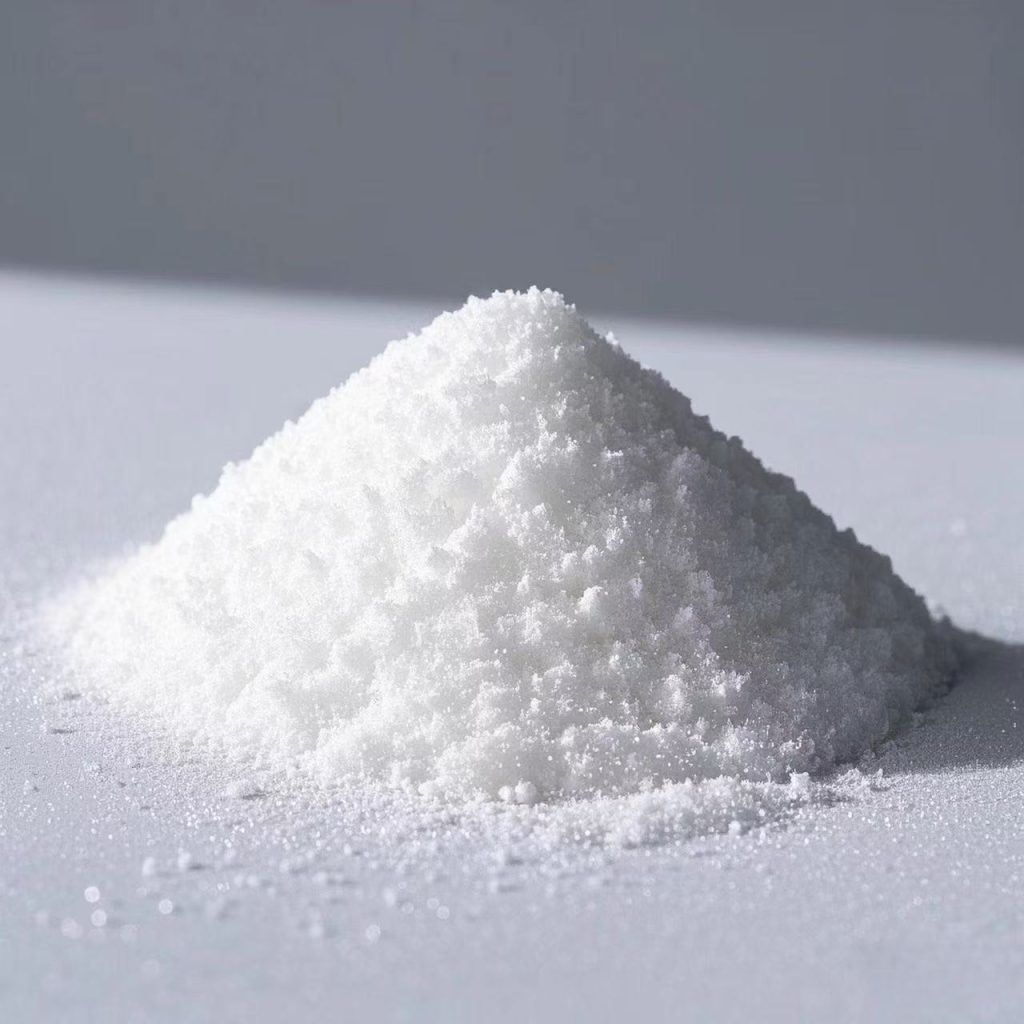
Sourcing L-proline in large quantities requires careful planning, particularly for businesses that depend on consistent raw material quality and uninterrupted production. Food manufacturers, pharmaceutical companies, cosmetic producers, and research organizations may have different requirements for ingredient purity, documentation, packaging, and delivery. Choosing the right supplier can help manage these requirements while supporting efficient procurement and inventory operations.
L-proline is a proteinogenic amino acid with a distinctive cyclic molecular structure. It contributes to protein organization, collagen formation, and several metabolic processes. Commercially, it is available as a powdered ingredient in different grades and specifications. When evaluating an L-Proline Bulk Supplier, businesses should consider technical quality, production capacity, batch consistency, supply-chain transparency, and the supplier’s ability to meet recurring order requirements.
Understanding Bulk L-Proline Requirements
Bulk procurement involves more than purchasing a larger quantity of an ingredient. Buyers need to establish the specifications, grade, and delivery conditions required for their manufacturing or commercial operations.
Identify the Intended Application
L-proline is used in several industries, and each application may require different quality controls.
- Food and nutrition: Used in suitable food products and nutritional formulations, subject to applicable regulations.
- Pharmaceutical manufacturing: Considered as a raw material or formulation component when it meets the relevant pharmaceutical requirements.
- Cosmetic production: Used in certain personal care formulations.
- Biotechnology: Applied in research involving amino acid metabolism and cellular processes.
- Laboratory research: Used in biochemical studies and other controlled research applications.
The intended use should determine the required ingredient grade. Food-grade, pharmaceutical-grade, and laboratory-grade L-proline are not automatically interchangeable.
Define Purchase Specifications
Before contacting suppliers, prepare a specification that describes the required material.
Depending on the application, this may include:
- Chemical identity and L-form confirmation.
- Assay or purity requirements.
- Moisture content.
- Related substances and impurity limits.
- Appearance and solubility.
- Microbiological criteria, where applicable.
- Packaging format and quantity.
- Storage and transportation requirements.
A clear specification makes supplier quotations easier to compare and helps prevent misunderstandings during purchasing.
Why Choosing the Right Bulk Supplier Matters
A supplier’s capabilities can influence production planning, incoming quality approval, and the overall cost of procurement.
1. Consistent Raw Material Quality
Manufacturers need ingredients that meet agreed specifications from one delivery to the next. Variations in assay, moisture, or impurity levels may affect formulation processes and require additional quality checks.
A suitable supplier should have documented procedures for testing, batch release, and investigating nonconforming material.
2. Reliable Supply for Production Schedules
Large-scale operations may consume significant quantities of amino acid ingredients. Delayed deliveries can disrupt manufacturing schedules and create additional procurement costs.
Suppliers should be able to explain their production capacity, available inventory, standard lead times, and arrangements for handling unexpected demand.
3. More Efficient Procurement
Working with an established supplier can simplify order planning, documentation collection, and communication.
Recurring supply arrangements may also help businesses coordinate purchasing with production forecasts and reduce unnecessary administrative work.
4. Better Cost Planning
Bulk pricing can sometimes provide lower unit costs, but the overall purchasing decision should consider freight, packaging, customs charges, testing, storage, and inventory carrying costs.
A supplier offering a slightly higher quotation may provide better overall value if its quality and delivery performance are more dependable.
Essential Quality Standards for Bulk L-Proline
Quality requirements should be established before approving a supplier or placing a large order.
Chemical Identity
The material should be confirmed as L-proline through appropriate analytical testing. Identity verification helps ensure that the delivered ingredient matches the specified chemical substance.
Where stereochemical identity is important, the testing approach should also be suitable for confirming the required L-form.
Purity and Assay
Assay testing measures the amount of the intended ingredient in a sample. Buyers should review the acceptance limits and analytical methods used by the supplier.
It is also important to understand how results are calculated, including whether they are reported on an as-is or dried basis.
Moisture Content
Moisture can affect powder handling and storage characteristics. Buyers should review the specified moisture limits and confirm that the supplier uses suitable packaging to protect the material.
Impurity and Contaminant Controls
Depending on the intended application, testing may cover related substances, residual solvents, elemental impurities, or other relevant contaminants.
The appropriate limits should be established according to the product specification and applicable regulatory requirements.
Microbiological Requirements
Food and pharmaceutical applications may require defined microbiological controls. The required tests depend on the intended use, manufacturing process, and relevant regulations.
Suppliers should provide suitable testing information when microbiological quality is part of the purchasing specification.
Documents to Request From an L-Proline Bulk Supplier
Documentation allows buyers to verify product characteristics and maintain internal quality records.
| Document | Purpose |
|---|---|
| Certificate of Analysis (CoA) | Reports test results for a specific batch |
| Technical Data Sheet (TDS) | Describes chemical and physical properties |
| Safety Data Sheet (SDS) | Provides handling and safety information |
| Product Specification | Defines quality limits and acceptance criteria |
| Manufacturing Information | Describes relevant production and quality controls |
| Relevant Certifications | Supports evaluation of applicable quality systems |
| Traceability Records | Connects delivered material to its production batch |
The certificate of analysis should identify the specific batch being delivered. Buyers should also check that the reported tests and acceptance criteria match their approved specification.
How to Evaluate Bulk Supplier Capacity
A supplier may offer suitable material but lack the resources to support large or recurring orders. Assessing supply capacity is therefore an important part of supplier qualification.
1. Confirm Production Capacity
Ask whether the supplier manufactures L-proline directly or obtains it through another producer. Both supply models can be appropriate, provided responsibilities and the supply chain are transparent.
Request information about production capacity, normal inventory levels, and the ability to meet projected demand.
2. Review Minimum Order Quantities
Minimum order quantities can influence purchasing decisions, especially for businesses with variable consumption.
Compare the supplier’s available packaging sizes and order thresholds with actual production requirements and storage capacity.
3. Assess Lead Times
Clarify the expected time between order confirmation and delivery. For international purchases, account for manufacturing schedules, transportation, customs clearance, and local distribution.
Reliable lead-time estimates help procurement teams maintain appropriate stock levels.
4. Evaluate Repeat-Order Capability
A supplier should be able to explain how it manages recurring orders and whether the same product specification will be maintained across future batches.
Ask how changes in raw material sources, manufacturing processes, or specifications are communicated.
5. Examine Contingency Arrangements
Supply interruptions can occur because of production issues, transportation delays, or changes in market demand.
Understanding how the supplier manages disruptions can help buyers develop more realistic procurement plans.
Comparing Bulk Suppliers Beyond Price
A fair supplier comparison should use consistent technical and commercial criteria.
| Evaluation Factor | What to Consider |
|---|---|
| Product quality | Identity, assay, moisture, and impurity specifications |
| Documentation | Batch-specific CoA and current technical records |
| Manufacturing controls | Quality management and applicable production standards |
| Order capacity | Ability to meet required quantities |
| Lead time | Production, dispatch, and delivery schedules |
| Packaging | Protection against moisture and contamination |
| Commercial terms | Pricing, payment, freight, and minimum order quantity |
| Communication | Responsiveness and technical support |
| Traceability | Batch identification and supply-chain records |
Buyers should calculate the total delivered cost rather than comparing unit prices alone. Additional expenses such as testing, import duties, storage, and rejected shipments can affect the actual cost of procurement.
Packaging, Storage, and Transportation
Bulk L-proline should be packaged and handled in ways that protect its quality during storage and distribution.
Suitable Bulk Packaging
Depending on order size and supplier capabilities, L-proline may be supplied in sealed bags, lined drums, or other appropriate containers.
Packaging should be compatible with the intended application and help protect the powder from moisture, contamination, and physical damage.
Storage Conditions
Keep the material in a clean, dry storage area and follow the manufacturer’s documented temperature recommendations. Containers should remain sealed when not in use.
Transportation Management
Confirm that shipping arrangements protect the packaging from damage and unsuitable environmental exposure. International buyers should also establish responsibility for freight documentation and customs clearance.
Inventory Control
Maintain records of batch numbers, receipt dates, expiry or retest dates where applicable, and storage locations.
A first-expiry-first-out system can help businesses use inventory efficiently and reduce the risk of retaining material beyond its approved period.
Calculating the Right Bulk Order Quantity
Ordering too little material can create supply interruptions, while excessive purchasing may increase storage costs and inventory risks.
A basic procurement calculation is:
Required order quantity = Forecast consumption during the planning period + Safety stock − Available inventory
For example, a manufacturer can estimate its expected L-proline usage until the next delivery and add a reasonable safety buffer based on supplier lead times and demand variability.
Before confirming an order, consider:
- Average monthly consumption.
- Seasonal or production-related demand changes.
- Supplier lead times.
- Minimum order quantities.
- Available storage capacity.
- Shelf life and retest requirements.
- Budget and inventory carrying costs.
This approach helps align purchasing volumes with operational needs.
Questions to Ask Before Approving a Supplier
A structured supplier assessment can help purchasing and quality teams make more consistent decisions.
- Can you confirm the exact grade and specification of the L-proline?
- Can you provide a batch-specific certificate of analysis?
- Which analytical methods are used for identity and assay testing?
- What controls are in place for impurities and moisture?
- What manufacturing and quality certifications are available?
- Can you support the required order volume and recurring demand?
- What are the minimum order quantity and typical lead time?
- How is bulk packaging protected during transportation?
- How are quality complaints and rejected shipments handled?
- How are changes to product specifications or manufacturing processes communicated?
Answers should be evaluated alongside supporting documentation rather than accepted solely as verbal assurances.
Building a Long-Term Supplier Partnership
A reliable supplier relationship requires ongoing monitoring and clearly defined expectations.
Establish Written Quality Agreements
Document the approved product specification, required testing, batch documentation, packaging conditions, and procedures for handling nonconforming material.
Monitor Delivery and Quality Performance
Track delivery reliability, batch acceptance, documentation accuracy, complaint resolution, and communication. Periodic reviews can identify issues before they affect production.
Maintain Change-Control Procedures
Suppliers should communicate relevant changes to manufacturing processes, raw material sources, specifications, or testing methods. Buyers can then assess the potential impact before approving affected material.
Review Supplier Performance Periodically
Supplier qualification should not end after the first successful delivery. Regular performance assessments help confirm that quality and commercial expectations continue to be met.
Conclusion
Finding the right L-proline bulk supplier requires a careful evaluation of product quality, manufacturing capability, documentation, delivery reliability, and commercial terms. Businesses should begin by defining their intended application and technical requirements, then compare suppliers against consistent acceptance criteria.
Batch-specific analytical documentation, identity and purity testing, impurity controls, traceability, and suitable packaging are essential considerations. Equally important are realistic lead times, adequate production capacity, and effective communication.
By using a structured supplier qualification process and planning order quantities around actual demand, industrial and commercial buyers can establish a more dependable supply chain for L-proline and support consistent manufacturing operations.
About Post Author




More Stories
Why Regular Audit Services Are Essential for Effective Risk Management
What Makes a Good O-Ring Seal Supplier for High-Performance Applications?
Key Benefits of Wind Power Oil Immersed Transformers in Renewable Energy Systems