

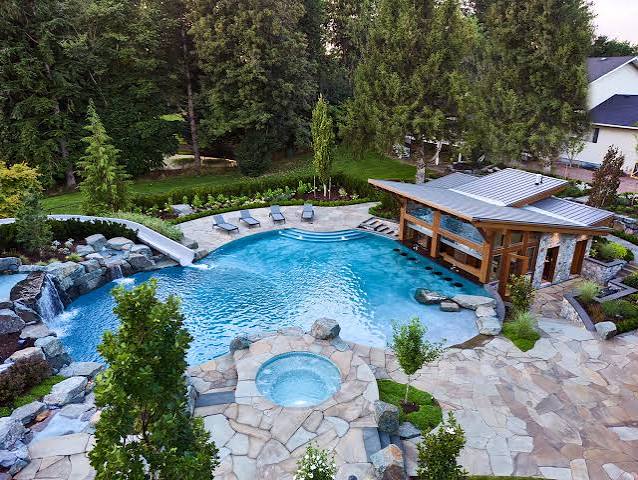
Choosing the right finishes and colors is an important part of designing a swimming pool. These choices influence the pool’s appearance, the way water reflects sunlight, and how well the overall design complements the surrounding outdoor space. From subtle neutral shades to bold contemporary finishes, the right combination can create an environment that feels relaxing, elegant, or visually striking.
When planning a Custom Swimming Pool, homeowners should consider more than color preferences alone. Material durability, surface texture, maintenance requirements, climate, and budget all affect the final result. Understanding the available options makes it easier to select finishes that suit the property’s style while providing reliable performance over time.
1. Understand the Main Types of Pool Finishes
Pool finishes are available in several materials, each offering a different appearance, texture, lifespan, and maintenance profile. The best option depends on the pool’s construction, intended use, and the homeowner’s preferences.
Plaster Finishes
Traditional pool plaster is commonly made from cement-based materials and can be finished in a range of colors. It generally provides a smooth, simple appearance and may be a relatively economical option compared with some premium finishes.
Plaster surfaces can require periodic maintenance and resurfacing. Their performance depends on material quality, installation, water chemistry, and regular care.
Aggregate Finishes
Aggregate finishes combine cementitious materials with exposed or polished particles such as quartz or small pebbles. They can create a textured, decorative appearance with more variation than standard plaster.
Quartz-based finishes may provide a refined look, while pebble finishes often create a more natural visual effect. Texture and comfort vary by product, so samples should be evaluated before making a decision.
Tile Finishes
Pool tiles are available in ceramic, porcelain, glass, and other suitable materials. They offer extensive design flexibility, including solid colors, decorative patterns, borders, and mosaics.
Tile can be particularly useful for creating detailed designs or highlighting steps and waterlines. However, installation quality, grout selection, and ongoing inspection are important for long-term performance.
Fiberglass Finishes
Fiberglass pools are manufactured with a finished interior surface rather than receiving a traditional plaster or tile finish on-site. They are available in different colors and surface appearances, depending on the manufacturer.
Because color choices and repairs depend on the specific pool system, homeowners should review available options and maintenance guidance before selecting a fiberglass model.
2. Choose a Color That Matches Your Design Goals
Pool color strongly influences the character of the outdoor environment. Some homeowners prefer a classic blue appearance, while others favor natural tones or contemporary shades that coordinate with modern architecture.
Before choosing a color, consider the style of the house, the surrounding landscape, the deck material, and the overall atmosphere you want to create.
Popular options include:
- Light blue: Creates a bright, fresh appearance and can make the water look inviting.
- White or pale finishes: Often produce a clean, luminous effect in direct sunlight.
- Medium blue: Offers a familiar swimming-pool appearance that works with many landscape styles.
- Dark blue: Can create a deeper, more dramatic visual effect.
- Sand or beige: May produce a warmer, natural-looking water color.
- Gray: Often complements modern architecture, stone paving, and minimalist landscaping.
- Green-toned finishes: Can create a natural appearance when coordinated with surrounding plants and materials.
Remember that the finished water color will not match the dry surface exactly. Lighting, water depth, sky conditions, and surrounding reflections all influence the result.
3. Consider How Water Color Changes With Depth
One common mistake is choosing a pool finish based only on a small dry sample. Water changes the way colors are perceived, and the same finish may look different in shallow and deep sections.
Light-colored surfaces often create a bright, pale-blue appearance, particularly in sunlight. Medium and darker finishes may make the water appear deeper or more reflective.
The pool’s shape and depth also influence how the finished color looks. A shallow tanning ledge may appear noticeably lighter than a deep swimming area, even when both use the same material.
Ask the pool designer or finish supplier for installed examples, underwater photographs, or larger samples whenever possible. Viewing similar pools in different lighting conditions can help establish more realistic expectations.
4. Match the Finish With the Surrounding Landscape
The pool should look connected to the rest of the outdoor environment. A finish that complements the patio, garden, fencing, and home exterior can make the entire area feel more coordinated.
For example, a light-blue finish may work well with pale paving and coastal-inspired landscaping. A gray or deep-blue surface may complement contemporary buildings and clean architectural lines.
Natural stone, timber-look decking, and lush greenery may pair well with sand-colored or muted finishes. However, the best combination depends on the exact materials, their undertones, and the amount of natural light the area receives.
Collect samples of the pool finish and nearby materials before making the final decision. Comparing them together can reveal color conflicts that may not be obvious when each sample is viewed separately.
5. Evaluate Surface Texture and Comfort
Color is important, but surface texture can have an even greater effect on everyday use. Pool surfaces should be appropriate for contact with bare feet and skin, while also meeting the requirements of the pool’s construction and intended use.
Highly polished surfaces may have a smooth appearance, while aggregate finishes can offer more texture. Some textured surfaces may feel uncomfortable if their particles are too coarse, so it is important to understand the specific product rather than assuming all finishes in a category feel the same.
Consider who will use the pool and how they will move through it. Families with children may place particular importance on comfortable entry steps and shallow areas.
Do not assume that a rougher finish is automatically safer. Slip resistance depends on the material, surface design, location, and conditions. Ask a qualified professional to recommend suitable finishes for steps, benches, decks, and other areas where traction is important.
6. Compare Durability and Expected Lifespan
Different finishes respond differently to chemical exposure, sunlight, temperature changes, and regular use. Understanding these differences can help homeowners select a surface that fits their long-term plans.
Tile may provide long-lasting color when correctly installed and maintained, although grout and individual tiles may need attention. Aggregate finishes can offer durability, but their performance depends on the product, installation, and water chemistry. Traditional plaster generally requires more periodic resurfacing than some premium alternatives.
When comparing materials, ask about:
- Expected service life under normal use.
- Resistance to staining and surface wear.
- Compatibility with the pool’s structure.
- Recommended cleaning and water-care practices.
- Repair procedures and availability of matching materials.
- Warranty coverage and installation requirements.
Avoid choosing a finish solely because it is advertised as durable. Request product-specific information and discuss how local climate and usage may affect its performance.
7. Think About Cleaning and Maintenance
Some pool finishes make routine cleaning easier, while others may require additional attention. Surface texture, color, water chemistry, and the type of debris entering the pool all influence maintenance.
Light finishes can make certain types of discoloration more noticeable. Dark finishes may reveal mineral deposits, dust, or other contrasting marks. Textured surfaces can also require more care than smoother surfaces, depending on their design.
No finish eliminates the need for regular water testing and cleaning. Maintaining balanced water chemistry helps protect the surface and equipment while reducing the risk of scaling, staining, or premature deterioration.
Ask the supplier which cleaning tools and products are suitable for the chosen finish. Abrasive equipment or incompatible chemicals may damage some surfaces, so follow the manufacturer’s instructions.
8. Consider Sunlight and Local Climate
Natural light can significantly change how a pool finish appears. A color that looks subdued indoors may appear brighter outdoors, while darker shades may create a different visual effect under strong sunlight.
The climate also affects the practical performance of surrounding materials. Pool finishes and decking should be suitable for local temperature changes, exposure to ultraviolet light, and any freeze-thaw conditions that occur.
Although water temperature is influenced by several factors, including sunlight, weather, and pool covers, darker pool surfaces may absorb more solar energy than lighter ones under comparable conditions. The actual effect depends on the entire pool system and local conditions.
Review samples outdoors at different times of day. If possible, visit completed pools that use similar finishes and receive comparable sunlight.
9. Select Tile Colors and Patterns Carefully
Tile can add detail and visual character to a swimming pool. It may be used across the entire interior, along the waterline, on steps, or as a decorative accent.
Simple, solid-colored tiles can create a clean, modern look. Mosaic patterns may introduce geometric designs, gradients, or decorative images. Contrasting borders can also help define different areas of the pool.
However, overly complicated patterns may compete with the home’s architecture or surrounding landscape. In smaller pools, large areas of busy detailing can make the design feel crowded.
Consider how the tile pattern will look from different viewpoints, including the house, patio, and garden. Confirm that the tile, adhesive, grout, and installation system are appropriate for submerged use and the pool’s operating conditions.
10. Balance Initial Cost With Long-Term Value
Pool finish prices vary according to material, quality, installation complexity, and the size of the surface. Basic plaster may have a lower initial cost, while specialty aggregate finishes and extensive tile installations may require a larger investment.
However, the least expensive option is not necessarily the most economical over the pool’s lifetime. Maintenance frequency, repair costs, expected service life, and the availability of replacement materials all affect total ownership expenses.
Request itemized estimates that distinguish material costs from labor, surface preparation, and any additional work. For tile, clarify whether the quotation includes grout, waterproofing where required, and installation details.
Compare each option according to both upfront cost and ongoing care. This approach makes it easier to choose a finish that fits the budget without overlooking long-term requirements.
11. Avoid Common Pool Finish Selection Mistakes
Several avoidable mistakes can lead to disappointment after the pool is completed. Taking time to review the options can help prevent unnecessary changes and expenses.
Common mistakes include:
- Choosing a color from a small indoor sample without seeing it outdoors.
- Ignoring how water depth affects the final appearance.
- Selecting a finish without checking its maintenance requirements.
- Choosing a textured surface without evaluating comfort.
- Failing to coordinate the pool finish with decking and landscaping.
- Assuming all products in the same material category perform identically.
- Overlooking warranty conditions and repair options.
- Making a final selection before confirming compatibility with the pool structure.
Before approving the design, ask for samples, product specifications, maintenance guidance, and examples of completed installations. A written record of the selected materials and colors can also help ensure the finished pool matches the agreed plan.
12. Work With Experienced Pool Professionals
Pool finishes must be compatible with the pool’s construction method, waterproofing system, and installation requirements. Professional guidance can help identify suitable materials and prevent problems caused by incorrect preparation or application.
Ask potential contractors about their experience with the specific finish under consideration. Review previous projects and request information about installation procedures, expected maintenance, and available warranties.
Discuss the complete finish system rather than focusing on the visible surface alone. Substrate preparation, bonding materials, joints, grout, curing, and initial water treatment can all affect long-term performance.
Clear communication is especially important when several materials are used together. Confirm the finish color, product name, texture, and installation details before work begins.
Conclusion
Choosing pool finishes and colors requires a balance between visual appeal, comfort, durability, maintenance, and budget. Plaster, aggregate, tile, and fiberglass finishes each offer different advantages, while color selection influences how the water looks and how the pool complements its surroundings.
Homeowners should evaluate samples in natural light, consider local climate conditions, compare long-term costs, and confirm that every material is suitable for the intended application. Professional advice can also help ensure that the selected finish is installed and maintained correctly.
With careful planning, the right finish can help create a swimming pool that complements the property, supports everyday enjoyment, and maintains its appearance for years to come.
About Post Author


More Stories
A Guide to Designing Custom Animatronic Spinosaurus Models
How an Alzheimer’s Disease Biomarker Panel Supports Diagnostic Research
Electric Skid Loader Attachments and Their Applications Across Industries