

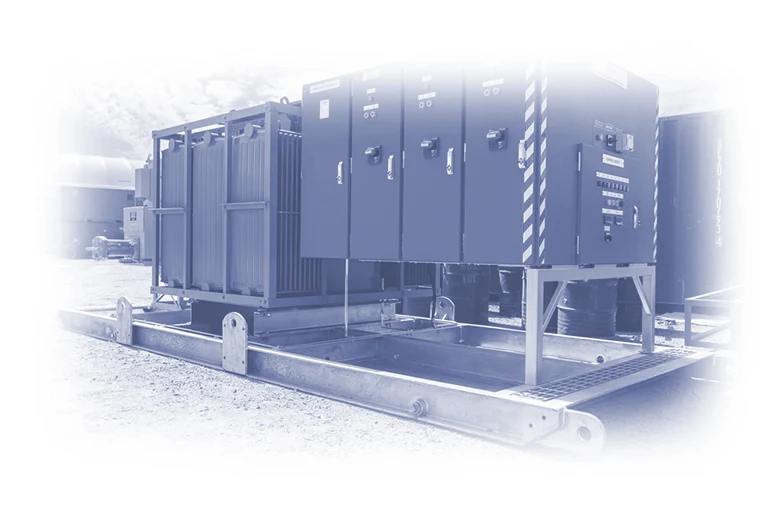
Mining operations depend on a stable and reliable electrical supply to power heavy machinery, ventilation systems, pumps, conveyors, lighting, and processing equipment. Because mining environments often involve dust, moisture, vibration, temperature fluctuations, and demanding operating schedules, electrical infrastructure must be designed to withstand challenging conditions while maintaining consistent performance.
A well-designed Mining Substation helps manage voltage transformation, power distribution, equipment protection, and electrical system monitoring across mining sites. Understanding the essential equipment used in these substations allows mine operators, engineers, and project planners to make informed decisions about safety, reliability, and long-term operating costs.
What Is a Mining Substation?
A mining substation is an electrical installation that receives power from a utility network, dedicated power source, or upstream distribution system and transforms it into suitable voltage levels for mining operations. It may supply underground workings, open-pit equipment, mineral processing plants, workshops, and supporting facilities.
Mining substations can be permanent installations near processing plants or mobile units designed to move as mining activities progress. Their configuration depends on the mine layout, electrical load, available supply voltage, environmental conditions, and operational requirements.
Unlike many conventional industrial installations, mining substations may need additional protection against mechanical damage, dust accumulation, moisture, corrosive substances, and restricted installation space.
Essential Equipment Used in Mining Substations
Mining substations contain several interconnected components that perform voltage conversion, switching, protection, control, and power distribution.
1. Power Transformers
Power transformers are among the most important components of a mining substation. They convert incoming electrical power to the voltage required by downstream distribution networks and mining equipment.
Depending on the installation, a mine may use transformers to supply medium-voltage distribution systems, low-voltage machinery, or specialized electrical loads. Transformer capacity must account for continuous demand, motor starting currents, load variations, and potential future expansion.
Important selection considerations include:
- Rated power capacity and voltage ratio.
- Cooling method and insulation system.
- Short-circuit withstand capability.
- Efficiency and expected operating losses.
- Environmental protection and maintenance requirements.
Transformers should be selected according to the site’s electrical design and applicable standards rather than capacity alone.
2. Medium-Voltage and Low-Voltage Switchgear
Switchgear controls, isolates, and protects electrical circuits within the substation. Medium-voltage switchgear is commonly used for incoming feeders, transformer connections, and distribution circuits, while low-voltage switchgear supplies equipment operating at lower voltages.
Circuit breakers, disconnectors, busbars, and associated components allow authorized personnel to manage electrical circuits and isolate faults.
In mining environments, switchgear selection should consider enclosure protection, fault interruption ratings, internal arc protection where required, and suitability for dust, moisture, vibration, and temperature conditions.
3. Circuit Breakers and Protective Relays
Circuit breakers interrupt electrical current when a fault or abnormal operating condition occurs. Protective relays detect conditions such as overcurrent, earth faults, undervoltage, and other electrical abnormalities, then initiate the appropriate protective action.
Effective protection coordination is especially important in mining operations because an electrical fault can interrupt critical systems and create significant safety risks.
Protection settings should be engineered to distinguish between temporary operating conditions and genuine faults. Proper testing and commissioning help ensure that protective devices respond as intended.
4. Busbars and Electrical Connections
Busbars distribute electrical power between incoming supplies, transformers, switchgear sections, and outgoing feeders. They may be constructed from copper or aluminum and must be rated for the expected current and fault conditions.
Mining installations can experience mechanical vibration and harsh environmental exposure, making secure connections and suitable insulation particularly important.
Routine inspections should identify signs of overheating, corrosion, loose connections, or insulation deterioration. Thermal monitoring may also help maintenance teams detect developing problems.
5. Instrument Transformers and Metering Equipment
Current transformers and voltage transformers provide scaled electrical measurements for protection, monitoring, and metering systems. These devices allow control equipment to measure system conditions without directly handling the full primary current or voltage.
Metering equipment tracks parameters such as current, voltage, energy consumption, and power factor. These measurements help mine operators understand energy use, identify unusual operating patterns, and improve load management.
Accurate measurement also supports fault investigation and operational planning.
6. Earthing and Grounding Systems
A properly engineered earthing system is essential for electrical safety in mining substations. It provides a controlled path for fault current and helps manage dangerous touch and step voltages around electrical equipment.
Mining sites may contain extensive conductive structures, underground networks, metal enclosures, and long cable routes. These features make grounding design and verification particularly important.
Grounding systems should be designed according to the site’s fault-current levels, soil characteristics, installation layout, and applicable electrical safety requirements. Regular inspection and testing help verify continued performance.
7. Surge Arresters and Lightning Protection
Mining substations may be exposed to lightning activity and switching-related voltage surges. Surge arresters help limit transient overvoltages and protect connected equipment from damaging electrical stress.
The required protection depends on the supply network, exposure conditions, transformer insulation levels, cable arrangements, and grounding design.
Lightning protection systems and surge arresters should be coordinated with the broader electrical installation to provide effective protection without creating unintended risks.
8. Control, Monitoring, and Communication Systems
Modern mining substations often use control and monitoring systems to provide operators with information about equipment status, electrical measurements, alarms, and protection events.
Supervisory control and data acquisition systems, commonly known as SCADA, can support remote monitoring and centralized operational control. These systems are particularly useful when substations are located underground, across large open-pit mines, or in remote areas.
Monitoring functions may include transformer temperature, breaker status, feeder loading, power quality, and abnormal operating conditions. Reliable communication infrastructure is essential for accurate data collection and timely response to alarms.
9. Cables and Cable Accessories
Power cables connect the substation to transformers, switchgear, motors, pumps, conveyors, and other electrical loads. Mining cables may need additional mechanical protection because they can be exposed to movement, abrasion, crushing hazards, moisture, and chemical contamination.
Cable selection should account for voltage rating, conductor size, insulation type, current-carrying capacity, installation method, and expected environmental exposure.
Cable glands, joints, terminations, and support systems must also be compatible with the cable design and installation conditions.
Special Requirements for Mining Substations
Mining environments create electrical design challenges that require careful equipment selection and installation planning.
Protection Against Dust and Moisture
Dust can accumulate on electrical components, obstruct cooling paths, and contribute to insulation problems. Moisture can increase corrosion risks and reduce insulation performance if equipment is not adequately protected.
Appropriate enclosure ratings, environmental sealing, ventilation design, and maintenance procedures help address these challenges. Equipment should be selected for the actual conditions at the installation site.
Mechanical Strength and Vibration Resistance
Mining equipment often generates vibration and mechanical movement, particularly near crushers, conveyors, drilling equipment, and mobile machinery.
Substation structures, mounting systems, cable supports, and electrical connections should be designed to withstand expected mechanical stresses. Inspection schedules should reflect the site’s vibration and movement conditions.
Hazardous Area Considerations
Some mining operations may involve flammable gases, combustible dust, or other hazardous conditions. Electrical equipment installed in classified hazardous areas must meet the applicable protection requirements for those environments.
Underground mines may also be subject to specific regulations governing electrical installations, ventilation, and explosion protection. A competent engineering team should determine the required equipment certification and installation methods.
Mobility and Modular Design
Some mining projects benefit from mobile or modular substations that can be relocated as extraction activities advance. These systems can reduce installation time and provide flexible power distribution for changing site layouts.
However, mobile installations must still address transport loads, cable connections, grounding, weather exposure, and the safe isolation of electrical equipment during relocation.
How to Select the Right Mining Substation Equipment
Choosing suitable equipment begins with a detailed assessment of the mine’s electrical demand and operating conditions.
Evaluate Electrical Load Requirements
Engineers should identify the connected loads, expected maximum demand, motor starting requirements, and critical systems that need uninterrupted power. Adequate capacity planning helps prevent overloading while avoiding unnecessary equipment costs.
Future production expansion should also be considered when defining transformer capacity and feeder arrangements.
Confirm Voltage and Fault Ratings
All major components must be compatible with the system’s rated voltage and expected short-circuit levels. Circuit breakers, busbars, cables, transformers, and protective devices must work together as part of a coordinated electrical design.
Fault studies and protection coordination assessments help determine appropriate equipment ratings and protective settings.
Consider Environmental Conditions
The installation location influences enclosure selection, cooling requirements, corrosion protection, insulation design, and maintenance intervals.
For underground installations, space restrictions, ventilation, transport access, and applicable hazardous-area rules may also affect equipment choices.
Review Standards and Certification
Mining substation equipment must comply with applicable national regulations, utility requirements, and relevant international standards. Depending on the equipment and project, requirements may address power transformers, switchgear, insulation coordination, protective devices, and hazardous-area installations.
Technical documentation, type-test reports, routine-test records, and manufacturer specifications should be reviewed before equipment approval.
Assess Lifecycle Costs
The initial purchase price is only one part of the total cost of electrical equipment. Energy losses, maintenance needs, spare-parts availability, downtime risks, and expected service life can significantly influence overall project economics.
Comparing equipment based on lifecycle cost helps mine operators balance capital expenditure with long-term reliability and operating efficiency.
Maintenance Practices for Reliable Operation
Preventive maintenance helps identify deterioration before it causes equipment failure or an unplanned shutdown. Maintenance activities should follow manufacturer recommendations, site risk assessments, and applicable electrical safety procedures.
Common tasks include:
- Inspecting transformers, switchgear, cable terminations, and electrical enclosures.
- Checking connections for overheating, corrosion, or mechanical damage.
- Testing circuit breakers, protective relays, and grounding systems.
- Monitoring transformer temperature and insulating liquid condition where applicable.
- Reviewing alarms, power-quality records, and equipment loading trends.
- Keeping maintenance records and addressing identified defects promptly.
Electrical inspections and testing must be performed by qualified personnel using approved isolation, lockout, and verification procedures. Equipment should not be opened or serviced while energized unless the work is specifically authorized and performed under appropriate safety controls.
Common Challenges and How to Address Them
Mining substations may experience equipment overheating, nuisance tripping, insulation deterioration, cable damage, or unexpected power interruptions.
Overheating can result from excessive loading, inadequate cooling, poor electrical connections, or blocked ventilation. Load monitoring, thermal inspections, and proper equipment sizing can help reduce these risks.
Repeated protective trips may indicate an underlying fault, incorrect relay settings, or unsuitable protection coordination. A systematic investigation is preferable to repeatedly resetting protective devices without identifying the cause.
Cable failures can be reduced through suitable cable selection, mechanical protection, correct installation, and regular inspection. Similarly, maintaining grounding connections and verifying protective systems helps improve electrical safety throughout the mine.
Conclusion
Mining substations are essential to the safe and reliable operation of modern mining facilities. Power transformers, switchgear, circuit breakers, protective relays, grounding systems, cables, and monitoring equipment work together to provide controlled and dependable electricity distribution.
Selecting the right equipment requires attention to electrical ratings, environmental conditions, hazardous-area requirements, protection coordination, maintenance needs, and lifecycle costs. With sound engineering, suitable equipment, and consistent maintenance, mining operators can improve power reliability, reduce avoidable downtime, and support safer working conditions across their operations.
About Post Author



More Stories
Wudu Basin Installation: Important Measurements and Plumbing Considerations
Enjoy Smooth, Creamy Coffee Creations with an Efficient Electric Milk Frother
China B87 Air Pick: Specifications, Heavy-Duty Applications, and Performance Advantages