

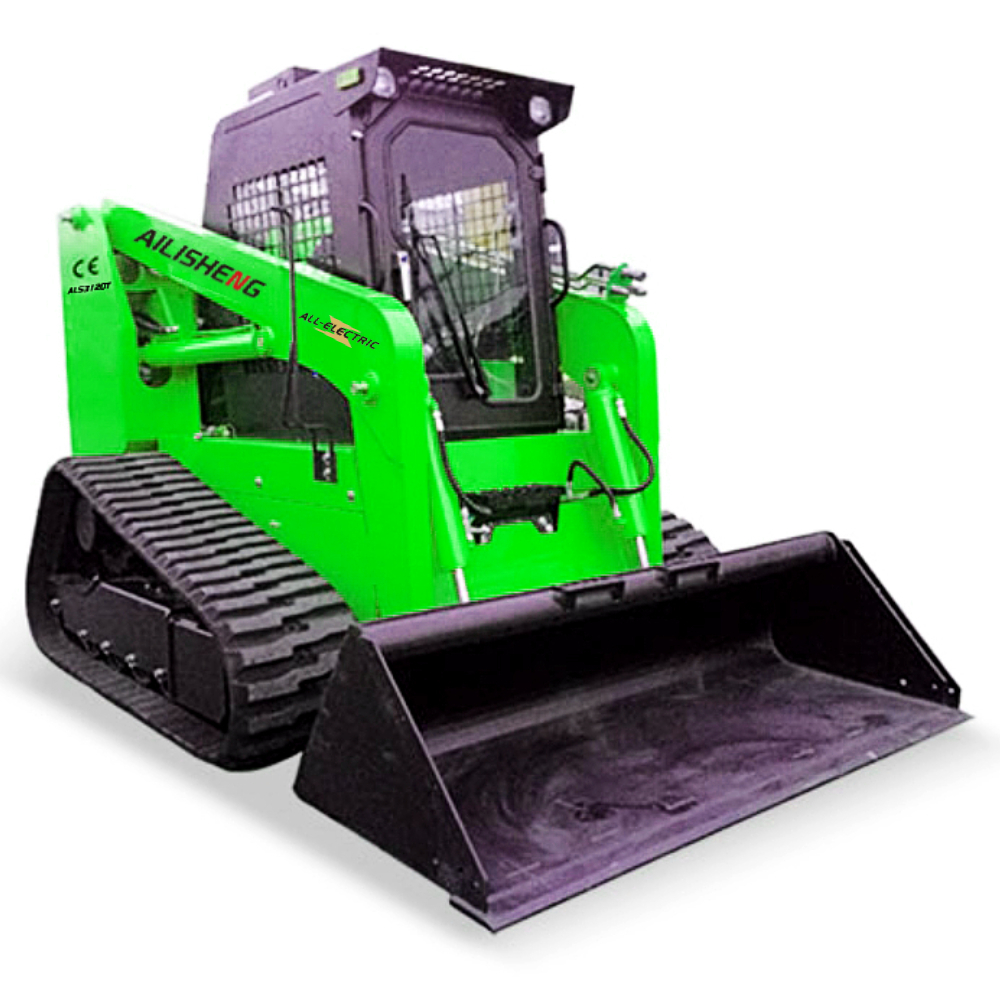
Electric Skid Loader Attachments and Their Applications Across Industries
Electric skid loaders are versatile machines used for material handling, construction, landscaping, agriculture, and various industrial tasks. Their compact design allows them to work in restricted spaces, while interchangeable attachments help operators adapt the same machine to different jobs. Choosing suitable attachments can improve productivity, reduce manual labor, and make equipment more useful across multiple applications.
An Electric Skid Loader can perform a wide range of tasks when paired with compatible tools. However, the right attachment depends on the machine’s lifting capacity, hydraulic performance, mounting system, and battery capabilities. Understanding how different attachments work and where they are most useful helps businesses make informed equipment decisions.
What Are Electric Skid Loader Attachments?
Electric skid loader attachments are tools fitted to a loader to perform specific operations. Instead of purchasing a separate machine for every task, operators can change attachments to handle different materials and working conditions.
Common attachments include buckets, pallet forks, grapples, augers, trenchers, sweepers, and specialized tools for agriculture or construction. Some attachments use the loader’s hydraulic system, while others rely on mechanical connections or additional power requirements.
Before choosing an attachment, operators should confirm that it is compatible with the loader’s mounting system, hydraulic flow, operating pressure, and rated capacity. Compatibility is particularly important for electric models because excessive power demand can affect performance and battery runtime.
1. General-Purpose Buckets for Material Handling
<AsyncImage query=”compact skid steer loader general purpose bucket moving soil construction site” aspectRatio=”16:9″ width=”100%” />
General-purpose buckets are among the most widely used skid loader attachments. They allow operators to scoop, carry, and unload loose materials efficiently.
Common applications
- Moving soil, sand, gravel, and crushed stone.
- Transporting construction debris.
- Loading materials into trucks or designated storage areas.
- Spreading and leveling loose material.
- Handling mulch and other landscaping supplies.
In construction, a bucket can support excavation preparation, site cleanup, and material movement. Landscaping businesses use it to transport soil and aggregates, while farms may use suitable buckets to move feed or other loose materials.
Bucket capacity should match the loader’s rated operating capacity and the density of the materials being handled. Heavy materials such as wet soil or gravel can reach the machine’s load limits more quickly than lightweight materials.
2. Pallet Forks for Warehousing and Logistics
<AsyncImage query=”skid steer loader pallet fork attachment lifting wooden pallet warehouse industrial yard” aspectRatio=”16:9″ width=”100%” />
Pallet forks convert a skid loader into a useful material-handling machine for compatible palletized loads. They consist of two forks mounted to a frame, allowing the operator to lift and transport goods.
Common applications
- Moving palletized building materials.
- Handling packaged goods in industrial yards.
- Transporting supplies around agricultural facilities.
- Loading and unloading suitable materials.
- Organizing stock in outdoor storage areas.
Pallet forks can be especially useful in facilities that need compact equipment to move materials through limited spaces. Before use, operators should verify the load’s weight, center of gravity, fork spacing, and the loader’s rated capacity at the intended lift height.
The load must remain stable during travel, and operators should follow the manufacturer’s guidance for visibility, travel speed, and safe lifting.
3. Grapple Attachments for Debris and Irregular Loads
<AsyncImage query=”compact skid steer loader grapple bucket attachment collecting branches demolition debris” aspectRatio=”16:9″ width=”100%” />
Grapple attachments use gripping arms to hold materials that may be difficult to contain in a conventional bucket. Depending on their design, they can be used for vegetation, bulky debris, and other irregularly shaped loads.
Common applications
- Collecting branches and tree limbs.
- Handling brush and landscaping waste.
- Moving demolition debris.
- Clearing selected construction areas.
- Handling suitable agricultural materials.
Forestry and landscaping teams may use grapples to collect vegetation, while construction crews can use them to organize certain types of debris. Different grapple designs are intended for different materials, so buyers should select a model that matches the job.
Operators must account for the attachment’s weight and gripping force. Unstable loads, sharp debris, and materials extending beyond the machine can create safety risks if they are not handled carefully.
4. Augers for Ground Preparation
<AsyncImage query=”skid steer loader hydraulic earth auger drilling holes in soil landscaping” aspectRatio=”16:9″ width=”100%” />
Auger attachments use a rotating drilling tool to create holes in soil. They are commonly used for projects that require repeated holes with consistent spacing or depth.
Common applications
- Installing fence posts.
- Preparing holes for small trees and shrubs.
- Supporting landscaping projects.
- Preparing selected foundation or sign-post locations.
- Installing agricultural fencing.
Augers can reduce manual digging and help improve consistency across repetitive jobs. The correct auger diameter and length depend on the ground conditions and the project’s requirements.
Before operating an auger, check for underground utilities and other buried hazards. Soil type, moisture, stones, and roots can affect drilling performance, while the attachment’s hydraulic requirements must match the loader’s specifications.
5. Trenchers for Utility and Irrigation Work
<AsyncImage query=”compact skid steer loader trencher attachment cutting narrow trench in soil for irrigation” aspectRatio=”16:9″ width=”100%” />
Trencher attachments are designed to cut narrow channels in the ground. They can be useful when installing utilities, irrigation lines, and other systems that require controlled trench dimensions.
Common applications
- Installing irrigation pipes.
- Preparing routes for selected cables and conduits.
- Supporting landscaping drainage projects.
- Creating trenches for agricultural water systems.
- Completing certain light construction tasks.
A trencher can make repetitive trenching more efficient than manual excavation, particularly for long, relatively narrow runs. The appropriate chain, cutting width, and digging depth depend on the material and project specifications.
Utility location is essential before digging. Operators should also assess soil stability, trench safety requirements, and the attachment’s hydraulic demand before starting work.
6. Sweepers for Commercial and Industrial Cleaning
<AsyncImage query=”compact skid steer loader rotary sweeper attachment cleaning paved industrial yard” aspectRatio=”16:9″ width=”100%” />
Sweeper attachments help remove loose debris from hard surfaces. Depending on their design, they may use rotating brushes to collect or move dust, dirt, gravel, and other material.
Common applications
- Cleaning construction access roads.
- Maintaining warehouse yards.
- Removing loose debris from paved areas.
- Cleaning parking and loading zones.
- Maintaining commercial and industrial premises.
A sweeper can reduce the need for manual sweeping and help maintain cleaner work areas. Some models collect debris in a hopper, while others move it aside for later collection.
When selecting a sweeper, consider brush width, collection method, surface type, and dust-control requirements. Operators should also follow the manufacturer’s instructions for handling fine dust and working around pedestrians.
7. Snow Removal Attachments
<AsyncImage query=”compact skid steer loader snow blade attachment clearing snow from paved parking lot” aspectRatio=”16:9″ width=”100%” />
In regions that experience winter weather, compatible skid loader attachments can help clear snow and maintain access routes.
Common options include snow blades, snow buckets, and certain snow blowers. Each tool is suited to different snow conditions and site layouts.
Common applications
- Clearing parking areas.
- Maintaining access roads.
- Removing snow from commercial yards.
- Clearing selected pedestrian routes.
- Supporting winter property maintenance.
A blade can push snow to one side, while a bucket can collect and move it. A snow blower may be useful where snow needs to be discharged away from the cleared area.
Buyers should check attachment weight, hydraulic requirements, traction, and operating capacity. Battery performance in cold weather also deserves attention because low temperatures can affect available energy and charging behavior.
8. Landscaping Attachments for Specialized Tasks
Landscaping projects often involve several different operations, making attachment versatility particularly valuable.
Depending on compatibility, useful attachments may include soil cultivators, landscape rakes, brush cutters, and grading tools.
Common applications
- Preparing soil for planting.
- Leveling and grading selected surfaces.
- Removing light vegetation.
- Distributing landscaping materials.
- Maintaining gardens, parks, and commercial grounds.
Using specialized attachments can help landscaping teams complete more tasks with a single loader. However, the machine must have sufficient power and capacity for each tool, and operators should use equipment only for its intended purpose.
For delicate or confined environments, the loader’s dimensions, ground pressure, and turning characteristics should be considered to avoid unnecessary surface damage.
9. Agricultural Attachments for Farm Operations
Agricultural businesses may use compatible skid loader attachments to handle materials and maintain farm infrastructure. The right combination depends on the size of the operation and the types of materials being moved.
Common applications
- Moving feed and bedding.
- Handling manure with suitable equipment.
- Transporting pallets of agricultural supplies.
- Maintaining farmyards and access paths.
- Preparing selected areas for planting or fencing.
Buckets, pallet forks, and specialized grapples can support many of these tasks. In livestock buildings, electric operation may be beneficial because it avoids tailpipe exhaust at the point of use.
Farm operators should evaluate battery runtime, cleaning requirements, traction, and the machine’s ability to work in damp or dusty conditions. Equipment used around animals must also be operated with appropriate noise, movement, and safety precautions.
10. Choosing Attachments for Electric Skid Loaders
Not every attachment designed for a skid loader will work correctly with every electric model. A structured selection process helps prevent compatibility issues and unexpected operating limitations.
Check mounting compatibility
Confirm the attachment’s mounting interface and dimensions. A secure connection is essential for safe operation, and adapters should be used only when approved for the machine and attachment.
Verify hydraulic requirements
Hydraulically powered attachments may require a specific flow rate and operating pressure. If the loader cannot meet those requirements, the attachment may perform poorly or place unnecessary strain on the system.
Consider attachment weight
The attachment’s weight reduces the amount of material the machine can safely lift. Check the combined operating limits and follow the manufacturer’s capacity ratings.
Evaluate battery impact
Attachments that demand substantial hydraulic power can increase energy consumption and reduce working time between charges. Ask the supplier for realistic performance information under the intended operating conditions.
Match the tool to the material
Consider whether the attachment is designed for soil, gravel, vegetation, pallets, snow, or another material. The correct design can improve efficiency while reducing wear and safety risks.
11. How Attachments Affect Productivity and Operating Costs
The right attachment can help a business complete more work with fewer equipment changes. For example, a loader equipped with a bucket can move loose materials, while pallet forks can handle suitable palletized goods. A grapple may then be used for irregular debris if the machine supports it.
This versatility can reduce the need to purchase or rent separate machines for every task. It may also simplify equipment transportation and storage.
However, attachments add purchase and maintenance costs. Hydraulic tools may require hose inspections, wear-part replacement, and additional servicing. Heavy or power-intensive attachments can also affect battery runtime and overall machine performance.
Businesses should compare the cost of an attachment with its expected frequency of use, labor savings, maintenance needs, and contribution to productivity. Frequently used tools may justify the investment more readily than specialized attachments required only occasionally.
12. Attachment Safety and Maintenance
Safe attachment operation begins with selecting compatible equipment and following the manufacturer’s instructions. Before each use, inspect the mounting points, locking mechanisms, hydraulic hoses, connectors, and visible structural components.
Operators should also:
- Confirm that the attachment is securely connected before moving the machine.
- Keep people clear of lifting, digging, and gripping areas.
- Avoid exceeding rated load and operating limits.
- Inspect hydraulic connections for leaks before operation.
- Follow safe procedures when changing attachments.
- Shut down and isolate the machine as instructed before maintenance.
- Replace worn or damaged components before returning the attachment to service.
For electric skid loaders, maintenance personnel should follow the specified procedures for battery isolation and electrical safety. Repairs involving high-voltage components should be handled only by qualified technicians.
Regular cleaning and inspection can help identify damage early, reduce unexpected downtime, and extend attachment service life.
Conclusion
Electric skid loader attachments expand the range of tasks a compact battery-powered machine can perform. Buckets, pallet forks, grapples, augers, trenchers, sweepers, and specialized tools can support construction, warehousing, landscaping, agriculture, and property maintenance.
The best attachment depends on the application, material type, machine capacity, hydraulic performance, and battery requirements. Before purchasing, confirm compatibility with the loader and assess how the attachment will affect productivity, operating costs, and maintenance.
By matching attachments to actual work requirements and following safe operating practices, businesses can make better use of their electric skid loaders and build a flexible equipment setup for a variety of tasks.
About Post Author



More Stories
How to Choose Pool Finishes and Colors for a Custom Swimming Pool
A Guide to Designing Custom Animatronic Spinosaurus Models
How an Alzheimer’s Disease Biomarker Panel Supports Diagnostic Research