

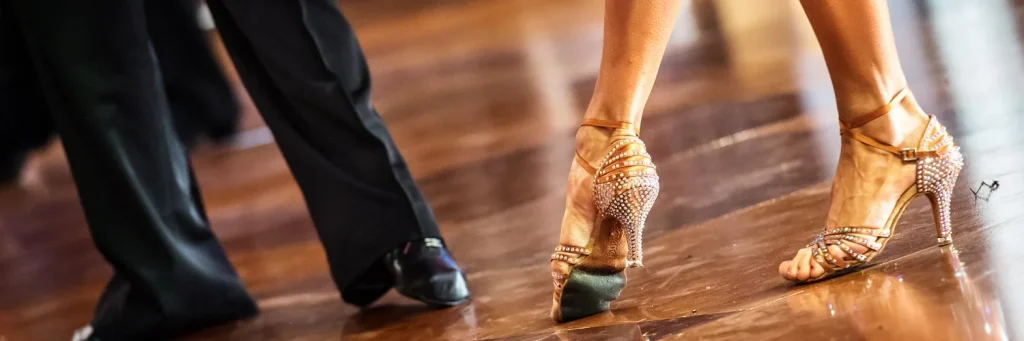
Competition outfits play an important role in Latin dance, combining movement, color, texture, and personal style. From sparkling dresses to tailored dance trousers, each element contributes to a dancer’s overall presentation. Footwear deserves the same attention because shoes are visible throughout a routine and must complement the costume without compromising comfort or movement.
Choosing the right pair of Custom Latin Dance Shoes allows dancers to consider colors, materials, heel shapes, and design details that coordinate with their competition outfits. The goal is to create a balanced appearance while ensuring the shoes remain secure and suitable for the demands of the performance. With thoughtful planning, footwear can complete a costume and support confident dancing on the floor.
Why Dance Shoes Matter to Competition Styling
Latin dance costumes are often designed to emphasize movement, posture, and personality. Shoes contribute to this visual presentation, helping create a coordinated look from head to toe.
A carefully selected pair can complement the outfit’s color palette, reinforce its style, and maintain a consistent appearance during turns and footwork. However, competition footwear should never be selected for appearance alone. A beautiful design is less useful if the shoes cause discomfort or interfere with technique.
When planning your competition look, consider footwear early rather than treating it as a last-minute accessory. This gives you time to coordinate the details and test the shoes during rehearsals.
Match Shoe Color With Your Competition Outfit
Color is often the first consideration when coordinating shoes with a costume. The best approach depends on whether you want the footwear to blend into the overall look or create a deliberate contrast.
Choose Neutral Shades for Versatility
Neutral shades such as tan, beige, and certain skin-tone colors can create a streamlined appearance, particularly when they complement the dancer’s natural coloring. These shades may help the legs appear visually elongated and work with a variety of costume colors.
Neutral shoes can be especially practical for dancers who use different outfits throughout a competition season. Instead of purchasing a separate pair for every costume, a versatile color may coordinate with several looks.
Because skin tones and lighting conditions vary, compare colors carefully before making a decision. A shade that looks suitable indoors may appear different under bright competition lighting.
Coordinate Shoes With Bold Colors
Red, royal blue, emerald green, and other saturated colors can make a strong statement on the dance floor. Shoes that closely match a bold costume may create a unified appearance, while a contrasting shade can add visual interest.
For example, black footwear may complement a dark costume with metallic accents, while a coordinated red shade can reinforce a vibrant outfit. The key is to make the contrast look intentional rather than accidental.
If the costume includes several prominent colors, choose one dominant shade to guide your footwear decision. This can prevent the overall look from becoming visually crowded.
Consider Metallic Finishes
Gold, silver, and bronze finishes can complement costumes featuring rhinestones, sequins, or metallic embellishments. These shades may reflect stage lighting and contribute to a polished competition appearance.
When choosing a metallic finish, consider the costume’s existing details. Gold shoes may coordinate naturally with warm metallic decorations, while silver can work well with cooler tones.
It is not necessary for every metallic element to match exactly. However, keeping the overall color temperature and level of shine consistent can help create a cohesive look.
Coordinate Materials and Textures
The texture of your shoes can influence how the entire outfit looks. Satin, leather, and synthetic materials each create a different visual effect, so consider how they interact with your costume fabric.
Satin for a Refined Appearance
Satin is frequently associated with formal dancewear because of its smooth finish and subtle sheen. It can coordinate well with elegant dresses and costumes that feature flowing or reflective fabrics.
Satin footwear may be particularly suitable when the costume relies on delicate detailing rather than a heavily embellished design. Choose a material and finish that complement the outfit without competing with its most prominent features.
Leather and Synthetic Finishes
Leather and synthetic materials offer a range of finishes, from understated matte surfaces to polished appearances. These options may suit dancers who prefer a simpler look or need footwear for both practice and selected performance settings.
The visual finish should be considered alongside durability and maintenance. Competition shoes may experience repeated use, so choose materials that can be cared for appropriately and remain presentable throughout the season.
Balance Shine and Decoration
A costume covered in crystals, sequins, or reflective details already draws attention. Shoes with extensive decoration may create a crowded appearance if every element competes for attention.
A simpler shoe can balance a heavily embellished outfit, while a more decorative design may complement a minimalist costume. Aim for harmony rather than matching every detail exactly.
Select a Heel Shape That Complements the Costume
Heel shape influences both the appearance and the feel of Latin dance shoes. While the costume may guide your stylistic preference, the heel must also suit your technique and comfort level.
Slim Heels for an Elegant Silhouette
Slim heels offer a narrow, refined profile that may complement sleek competition dresses and streamlined outfits. Their appearance can reinforce the graceful lines of a costume, particularly when the overall design is minimal.
Dancers should consider their experience and balance before choosing a narrow heel. A visually attractive heel is only appropriate if it feels secure and supports controlled movement.
Flared Heels for a Distinctive Look
Flared heels widen toward the base and can create a more substantial visual profile. They may appeal to dancers who prefer this shape’s appearance or feel more comfortable with a broader base.
When coordinating flared heels with an outfit, consider the costume’s overall proportions. The aim is to maintain a balanced silhouette without sacrificing stability.
Choose Heel Height Carefully
Heel height can affect posture, foot pressure, and the way a dancer moves. Some competition styles favor elevated heels, but the most suitable height depends on the dancer’s technique and physical comfort.
Avoid changing to a significantly higher heel immediately before an event. Practice in the selected footwear so that your movement, balance, and timing feel familiar before stepping onto the competition floor.
Consider the Costume’s Cut and Silhouette
A costume’s shape can help guide footwear choices. Long skirts, high-cut dresses, fringed designs, and fitted trousers each create different visual effects when paired with dance shoes.
For dresses with flowing skirts, footwear may appear intermittently during turns and steps. A coordinated color can maintain visual consistency without drawing attention away from the costume.
Fringed outfits create movement and texture, so shoes with a clean design may help keep the overall look balanced. Fitted trousers or shorter costumes may make footwear more visible, giving color and finish a stronger role in the complete appearance.
Try the shoes with the actual competition outfit whenever possible. This helps you evaluate the full silhouette rather than judging each item separately.
Coordinate With Accessories Without Overdoing It
Accessories such as earrings, bracelets, hair ornaments, and costume embellishments can help establish a consistent style. Shoes can complement these details through their color, finish, or decorative elements.
For example, a costume with gold embellishments may work well with warm metallic accents in the footwear. A design featuring silver crystals might pair naturally with a cooler finish.
However, matching every accessory precisely is rarely necessary. Too many competing details can distract from the dancer’s movements and make the costume feel overly busy.
Choose one or two visual elements to connect the outfit. This could be a shared metallic finish, a repeated accent color, or a similar level of decoration.
Prioritize Comfort and Performance During Competition
Even the most coordinated outfit needs footwear that performs reliably. Latin dance involves repeated pivots, quick weight changes, directional transitions, and movements that require precise foot placement.
Before finalizing your shoes, check the following:
- Secure fit: The heel should remain in place, and the foot should not slide excessively inside the shoe.
- Comfortable width: The shoe should not pinch the toes or create painful pressure across the forefoot.
- Suitable sole: The sole should provide an appropriate balance of grip and turning ability for the competition floor.
- Reliable fastenings: Straps and buckles should remain secure throughout the routine.
- Familiar heel height: Choose a height you can manage confidently during demanding movements.
Practice in your complete competition outfit and footwear before the event. This allows you to identify issues with straps, costume hems, or decorative elements that might interfere with your movement.
Common Mistakes When Matching Shoes With Competition Outfits
A few avoidable mistakes can make an otherwise well-planned costume less effective.
Choosing style over fit: Shoes that look perfect but cause pain can distract you throughout the performance.
Matching colors too literally: Slight differences in fabric shades are not always noticeable or problematic. Focus on overall harmony rather than demanding an exact match.
Ignoring lighting: Reflective materials and colors may appear different under competition lighting, so test the complete look in similar conditions when possible.
Introducing new shoes at the last minute: Unfamiliar footwear may create unexpected discomfort or affect your movement.
Overloading the design: Combining too many bold colors, metallic finishes, and decorative details can make the outfit look unbalanced.
Planning ahead gives you time to correct these issues without unnecessary stress.
How to Plan a Cohesive Competition Look
A simple planning process can make footwear selection easier, particularly if you have several costumes for different routines.
Start by identifying the costume’s dominant color and overall style. Next, decide whether the shoes should blend into the outfit or provide a contrasting accent. Consider the material and heel shape, then assess how the footwear works with your accessories and costume silhouette.
Finally, test the complete outfit during rehearsal. Check your comfort, movement, and appearance under suitable lighting, and make any necessary adjustments before competition day.
This approach keeps styling decisions organized while ensuring that practical requirements remain part of the process.
Final Thoughts
Matching Latin dance shoes with competition outfits involves more than selecting a similar color. Heel shape, material, finish, costume silhouette, and accessories all contribute to a cohesive appearance. At the same time, comfort, stability, and reliable construction remain essential for confident performance.
Choose footwear that complements your costume without competing with it. Neutral shades offer versatility, coordinated colors can create a unified look, and metallic finishes may enhance costumes with reflective details. Whatever style you choose, make sure the shoes fit properly and feel familiar during practice.
By planning your footwear alongside your costume and testing the complete look before competition day, you can create a polished appearance while keeping your attention on technique, musicality, and expressive movement.
About Post Author

More Stories
What to Know About Minimum Orders When Working With Sheet Mask Suppliers
How to Compare Inflatable Combos for Sale Before Purchasing
Top Qualities to Look for in Dance Shoe Manufacturers