

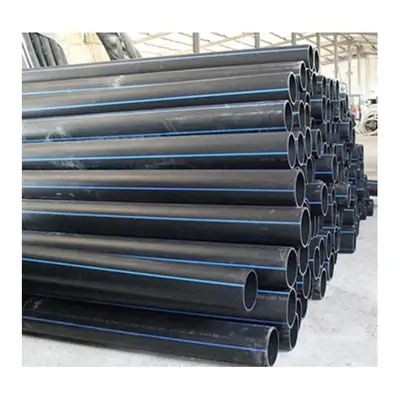
Pipes play an essential role in transporting water, but not every piping system is designed for the same purpose. Agricultural irrigation pipes and general water pipes may look similar, yet they can differ in their design, materials, pressure requirements, connection methods, and operating environments. Understanding these differences helps farmers, contractors, and procurement teams choose products that suit their specific applications.
When evaluating options, consulting an experienced Irrigation Pipe Manufacturer can help buyers understand available specifications and identify products designed for agricultural water distribution. The right choice depends on factors such as the irrigation method, water source, field layout, and the conditions under which the pipeline will operate.
1. Purpose and Intended Application
The primary difference between agricultural irrigation pipes and general water pipes is their intended use.
Agricultural irrigation pipes are designed to distribute water to crops, orchards, greenhouses, and other cultivated areas. They form part of an irrigation network that may include pumps, filters, valves, sprinklers, drip lines, and other water delivery components.
General water pipes serve a broader range of applications. These can include domestic water supply, commercial buildings, municipal distribution, industrial facilities, and other systems that transport water between locations.
Because these applications have different requirements, a pipe suitable for one purpose may not automatically be appropriate for another. Buyers should assess the operating conditions and applicable standards before selecting a product.
2. Differences in Pipe Design
Agricultural irrigation networks often cover extensive areas and may need to follow field boundaries, crop rows, uneven terrain, or changing planting layouts. Pipe design must account for these practical conditions.
Some agricultural systems use flexible pipes that are easier to route around obstacles or reposition when field arrangements change. Other installations rely on rigid pipes for main distribution lines that remain in place for many years.
General water pipes are designed according to their own installation requirements. Pipes used inside buildings, for example, may need to fit confined spaces and connect with plumbing fixtures. Municipal networks may require products suitable for buried installation and sustained water distribution.
The design of either type should match the intended installation rather than being judged by appearance alone.
3. Materials and Construction
Both agricultural irrigation pipes and general water pipes may be manufactured from materials such as polyethylene, high-density polyethylene (HDPE), PVC, and other suitable plastics or metals. The material alone does not determine whether a pipe is appropriate for a particular application.
Agricultural systems frequently use polyethylene pipes because their flexibility can simplify installation in fields and around crop rows. HDPE pipes may be used for distribution lines and water conveyance, while PVC pipes can be suitable for certain rigid mainline applications.
General water systems may use similar materials, but their specifications can differ according to the required service, local regulations, and installation environment.
When comparing products, check the material grade, wall thickness, pressure rating, dimensional tolerances, and relevant product standards. These details provide a more reliable basis for selection than the material name alone.
4. Pressure and Flow Requirements
Pressure requirements can vary considerably between agricultural irrigation and general water distribution systems.
In agriculture, the required pressure depends on the irrigation method and the design of the network. Drip irrigation systems commonly use pressure regulation to provide controlled water delivery, while sprinkler systems may require sufficient pressure to operate sprinklers effectively.
Mainlines serving large fields must also accommodate the combined water demand of the irrigation zones operating at the same time. Pipe diameter and wall thickness influence the system’s hydraulic performance and ability to withstand operating pressure.
General water pipes have their own pressure requirements based on the building, network, or industrial application. A pipe designed for one pressure range should not be assumed suitable for another without checking its specifications.
Before purchasing, verify the expected working pressure, potential pressure surges, required flow rate, and pressure losses along the pipeline.
5. Connection Methods and System Compatibility
Agricultural irrigation systems often use a combination of pipes, connectors, valves, filters, emitters, and sprinkler equipment. Connection compatibility is essential because a mismatch between components can cause leakage, installation delays, or uneven water delivery.
Depending on the system, agricultural pipes may use compression fittings, threaded connections, solvent-weld joints, or heat-fusion methods. The correct method depends on the pipe material, product design, and manufacturer’s instructions.
General water pipes also use different connection systems, including threaded fittings, mechanical joints, and welded connections. These methods are not necessarily interchangeable with those used in irrigation networks.
Buyers should confirm pipe dimensions and connection standards before ordering. This is especially important when adding new lines to an existing irrigation system or replacing damaged sections.
6. Exposure to Weather and Field Conditions
Agricultural irrigation pipes frequently operate outdoors, where they may encounter sunlight, temperature changes, soil movement, moisture, and accidental impact from farm machinery.
Above-ground pipes may need suitable resistance to ultraviolet exposure. Buried pipelines require consideration of soil conditions, installation depth, external loads, and potential damage during cultivation or excavation.
General water pipes can face similar environmental challenges, particularly in outdoor or underground installations. However, pipes used indoors may operate in more controlled conditions.
Neither category should be assumed suitable for every environment. Check the manufacturer’s guidance on outdoor exposure, burial, temperature limits, and installation practices before making a decision.
7. Water Quality and Regulatory Requirements
Water quality is another important factor when comparing pipe applications. Agricultural irrigation water may come from wells, reservoirs, canals, or recycled sources, and its characteristics can influence maintenance needs and system performance.
Sediment, suspended particles, and certain chemical conditions may affect the wider irrigation network. Appropriate filtration, flushing, and maintenance can help protect emitters and other sensitive components.
General water pipes used for drinking-water distribution must meet the relevant requirements for potable-water contact. Agricultural pipes used for irrigation are not automatically approved for drinking-water applications.
Likewise, a pipe approved for potable water should still be checked for suitability under the pressure, installation, and environmental conditions of an irrigation project. Always verify the applicable certifications and intended-use specifications.
8. Installation and Maintenance Considerations
Agricultural irrigation systems can require regular inspection because their performance directly affects crop water delivery. Maintenance tasks may include checking joints for leaks, cleaning filters, flushing lines, and inspecting exposed pipes for damage.
Some irrigation layouts are seasonal or temporary, meaning certain pipes may be removed, relocated, or stored after use. Other systems are permanent installations that require long-term durability and accessible maintenance points.
General water pipes may also require inspection and repair, but maintenance procedures vary according to the application and the location of the pipeline.
When choosing agricultural pipes, consider how easily they can be installed, connected, inspected, repaired, and expanded. The purchase price is only one part of the total cost; installation labor and future maintenance also affect long-term value.
9. Cost and Purchasing Priorities
Agricultural and general water pipes can differ in price because of their material, dimensions, pressure class, production specifications, and intended application. Comparing prices without accounting for these differences can lead to an inaccurate purchasing decision.
For agricultural projects, buyers should consider the total pipeline length, number of fittings, installation method, transportation costs, and expected operating life. Large farms may also need to coordinate deliveries with planting schedules or irrigation system upgrades.
General water projects may have different priorities, such as compliance with building codes, potable-water certification, or integration with existing plumbing infrastructure.
Request itemized quotations and compare products with equivalent specifications. Confirming the intended application before ordering helps prevent the expense of replacing unsuitable materials.
10. How to Choose the Right Type of Pipe
The best choice depends on the job the pipeline needs to perform. Before purchasing, consider these practical steps:
- Define the application: Identify whether the pipe will serve drip irrigation, sprinkler irrigation, a farm water mainline, domestic plumbing, or another purpose.
- Calculate flow and pressure: Use the system’s design requirements to determine suitable dimensions and pressure ratings.
- Check material suitability: Consider flexibility, exposure conditions, soil characteristics, and expected service life.
- Verify compatibility: Ensure that fittings, valves, and other components match the selected pipe.
- Review standards: Confirm the product meets the regulations and certifications applicable to its intended use.
- Compare total costs: Account for installation, transport, maintenance, and potential replacement needs.
For large agricultural projects, consulting a qualified irrigation designer can help ensure that pipe specifications align with hydraulic calculations and the overall system layout.
Conclusion
Agricultural irrigation pipes and general water pipes both transport water, but their suitability depends on different operating requirements and installation conditions. Agricultural systems often prioritize efficient field distribution, compatibility with irrigation equipment, and resistance to outdoor exposure. General water pipes may instead be selected for building plumbing, municipal networks, potable-water service, or other specialized applications.
The most reliable approach is to compare the intended use, material, dimensions, pressure rating, connection method, and applicable standards before purchasing. By focusing on verified specifications rather than appearance or price alone, buyers can select pipes that support dependable performance and meet the needs of their particular water distribution system.
About Post Author




More Stories
Wudu Basin Installation: Important Measurements and Plumbing Considerations
Enjoy Smooth, Creamy Coffee Creations with an Efficient Electric Milk Frother
China B87 Air Pick: Specifications, Heavy-Duty Applications, and Performance Advantages