

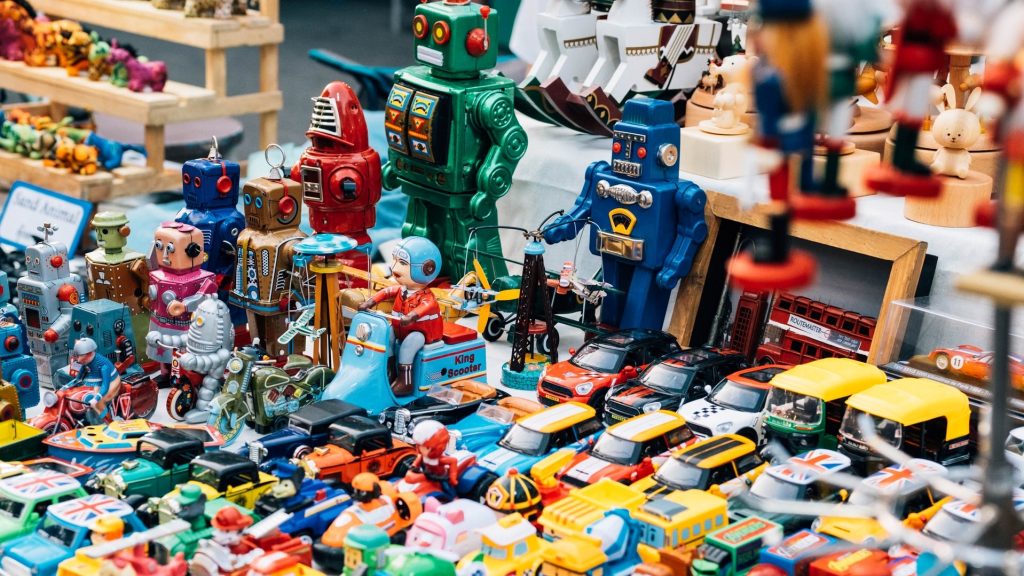
Finding the right toy supplier is an important step for retailers, wholesalers, distributors, and e-commerce businesses looking to source products from China. The right sourcing partner can help maintain consistent product quality, manage purchasing costs, and ensure orders arrive according to schedule. However, with different manufacturers, trading companies, and product ranges available, selecting a suitable supplier requires careful research and clear business objectives.
Working with a reliable China Toy Supplier can help businesses explore wholesale product options and evaluate potential sourcing opportunities. Before making a commitment, buyers should assess supplier capabilities, product quality, pricing structures, communication practices, and shipping arrangements to ensure the partnership aligns with their operational needs.
Define Your Business Requirements
Before searching for suppliers, identify exactly what your business needs. Your purchasing goals will influence which suppliers are suitable and how you evaluate their offers.
Start by determining the toy categories you want to sell, your target customers, your expected order volume, and your available budget. You should also consider whether you need standard catalog products, customized designs, private-label packaging, or a combination of these options.
For example, a small online retailer may prioritize flexible order quantities and products with broad customer appeal. A large distributor, on the other hand, may focus on production capacity, consistent availability, and competitive pricing for repeat orders.
Create a clear list of requirements before contacting suppliers. This makes it easier to compare quotations and prevents you from spending time on businesses that cannot meet your needs.
Research Potential Toy Suppliers
Once your requirements are established, begin researching potential suppliers through online catalogs, business directories, trade exhibitions, and industry recommendations.
Review supplier websites carefully to understand their product range, business background, manufacturing capabilities, and experience with international customers. Look for detailed product descriptions, clear contact information, and transparent purchasing terms.
It is also important to determine whether a company manufactures products directly or sources them from other factories. Manufacturers may provide more direct control over production and customization, while trading companies can sometimes offer a broader selection from multiple production partners.
Neither business model is automatically better for every buyer. The right choice depends on your product requirements, order size, budget, and preferred level of supplier coordination.
Evaluate Product Variety and Specialization
Toy suppliers differ in the categories they offer and the products they specialize in. Some focus on educational toys, while others provide building sets, dolls, plush toys, puzzles, pretend-play products, or outdoor toys.
Choose a supplier whose product range matches your target market and sales strategy. A retailer serving families with young children may need a different selection from a distributor supplying specialty stores or gift retailers.
Ask whether the supplier maintains an existing catalog or develops products according to customer specifications. If you plan to expand your product range over time, check whether the supplier can support additional categories without creating unnecessary sourcing complexity.
Review product details such as materials, dimensions, available colors, packaging, and age recommendations. Accurate information helps you assess whether each item fits your customers’ expectations.
Verify Supplier Credibility
Supplier verification is essential before placing a substantial order or making an advance payment. A professional website and attractive product catalog are useful starting points, but they do not independently establish a company’s reliability.
Request relevant business registration information and verify the supplier’s legal identity where possible. Ask for details about its manufacturing facilities, production capabilities, export experience, and quality management procedures.
For larger orders, consider independent verification, a factory audit, or a third-party inspection service. These measures can help confirm whether the supplier has the resources needed to fulfill your requirements.
You should also review the supplier’s proposed contract and payment arrangements. Be cautious of unexplained changes to payment details, inconsistent company information, or pressure to make immediate payments without sufficient documentation.
Compare Pricing and Minimum Order Quantities
Pricing is an important consideration, but the lowest quotation does not always provide the best overall value. Differences in materials, packaging, quality control, and included services can affect the actual cost of an order.
Request detailed quotations from several suppliers using the same product specifications. Each quotation should identify unit prices, minimum order quantities, packaging costs, customization fees, and estimated production times.
Minimum order quantity, or MOQ, refers to the smallest quantity a supplier will accept for a particular order. Requirements may vary between standard products and customized items that need special tooling or packaging.
Consider whether the required quantity fits your budget and expected demand. Larger orders may reduce unit costs, but they can also increase storage expenses and the risk of unsold inventory.
Before making a decision, calculate the expected landed cost by including freight, insurance, customs duties, taxes, and other relevant charges.
Check Product Quality and Safety Standards
Product quality should remain a priority when evaluating potential toy suppliers. Inconsistent construction or unsuitable materials can lead to customer complaints, returns, and damage to your business reputation.
Request samples before placing a large order. Examine the materials, finishing, durability, functionality, and packaging, and compare the sample against the supplier’s written specifications.
Ask how the supplier checks product quality during manufacturing and before shipment. For larger orders, independent pre-shipment inspections can help verify that the finished goods match the approved sample and purchase agreement.
Toy safety requirements depend on the product category and the country where the toys will be sold. Relevant requirements may cover chemical restrictions, small parts, mechanical hazards, labeling, and age-related warnings.
Request applicable testing reports and conformity documentation, and confirm that they relate to the specific products you intend to purchase. Never assume that a general factory certificate automatically establishes compliance for every item in a supplier’s catalog.
Assess Customization and Private-Label Options
If your business plans to build a recognizable brand, customization may be an important supplier selection criterion.
Depending on the supplier’s capabilities, customization options may include branded packaging, color variations, product bundles, logo placement, or modifications to existing designs. More extensive development may involve new molds, specialized components, or original product designs.
Before proceeding, ask about development fees, minimum quantities, sample approval, intellectual property rights, and additional production time. These requirements can significantly affect the cost and feasibility of a project.
For businesses with limited budgets, customizing an existing product or its packaging may provide a practical alternative to developing a completely new toy.
Ensure that all approved changes are documented in writing and that the supplier understands the exact specifications required for production.
Evaluate Communication and Customer Support
Clear communication can make the sourcing process easier and help prevent costly misunderstandings. A supplier should be able to explain product specifications, answer questions about pricing, and provide realistic updates about production and shipping.
During the initial discussions, assess how promptly and accurately the supplier responds. Pay attention to whether answers are consistent and whether requested information is provided in a clear, organized format.
Ask who will manage your account and how you should communicate production changes, inspection findings, or delivery concerns. Establishing a clear contact process is especially useful when managing large orders or several product variations.
Remember that communication quality alone does not guarantee reliable performance. Use it alongside independent verification, sample reviews, and documented order requirements.
Confirm Production Capacity and Lead Times
A supplier must be able to manufacture the required quantity within a schedule that suits your business. This is particularly important for seasonal products, promotional campaigns, and retail launches.
Ask about normal production lead times, current capacity, material availability, and any factors that could delay an order. Confirm whether the stated timeline begins after deposit payment, sample approval, or another milestone.
If you plan to place repeat orders, determine whether the supplier can maintain product consistency and support future replenishment. A supplier that meets your initial requirements but cannot support your expected growth may not be the best long-term choice.
Build additional time into your purchasing plan for inspections, transportation, and customs clearance. International orders can encounter delays even when production is completed on schedule.
Review Shipping and Export Capabilities
International shipping arrangements should be evaluated before selecting a supplier. Confirm whether the company can prepare the necessary export documentation and coordinate with freight forwarders or logistics providers.
Ask which shipping methods are available and whether the supplier can provide quotations under different Incoterms. These terms define particular responsibilities for transportation, costs, and risk between buyers and sellers.
Sea freight may be appropriate for large orders when delivery time is flexible, while air freight may suit smaller or urgent shipments at a higher cost. The best option depends on order size, destination, budget, and delivery requirements.
Clarify who will arrange cargo insurance, customs documentation, and destination handling. You should also check the import requirements of your country before production is finalized.
A clear understanding of logistics helps you estimate the total landed cost and avoid unexpected expenses when the shipment arrives.
Start With a Trial Order
Even after researching a supplier, a smaller initial order can provide useful evidence of its performance. When commercially feasible, use the first transaction to evaluate product quality, order accuracy, communication, and delivery reliability.
Record whether the goods match the approved samples and specifications. Check packaging, quantities, labeling, and any other requirements included in the purchase agreement.
If issues arise, discuss them with the supplier and evaluate how effectively they are resolved. A supplier’s response to problems can reveal important information about its approach to customer service and long-term cooperation.
Once the supplier demonstrates consistent performance, you can consider increasing order quantities or expanding the product range. For customized or high-value purchases, maintain appropriate inspection and payment safeguards regardless of previous experience.
Build a Long-Term Supplier Relationship
Finding a suitable supplier is not simply a one-time purchasing decision. A productive relationship can help businesses improve planning, maintain product consistency, and manage repeat orders more efficiently.
Share realistic forecasts when possible, communicate changes early, and keep records of specifications, quotations, invoices, and inspection results. These practices create a clearer foundation for future transactions.
Evaluate supplier performance regularly using practical measures such as delivery accuracy, defect rates, responsiveness, pricing transparency, and consistency between orders.
It is also wise to maintain alternative sourcing options for important product categories. Having backup suppliers can reduce dependence on a single company and provide greater flexibility if production capacity, prices, or delivery schedules change.
Conclusion
Finding a toy supplier in China that meets your business requirements involves more than comparing product catalogs and unit prices. Buyers should define their purchasing needs, verify supplier credibility, assess product quality, understand minimum order quantities, and confirm production and shipping capabilities.
Careful preparation helps retailers, wholesalers, and distributors reduce sourcing risks while choosing products that match their budgets and customer expectations. Requesting samples, checking relevant safety documentation, and starting with a manageable order can provide valuable evidence before making a larger commitment.
By evaluating suppliers against clear business criteria and monitoring their performance over time, businesses can establish dependable sourcing relationships that support efficient purchasing, customer satisfaction, and sustainable growth.
About Post Author

More Stories
Wudu Basin Installation: Important Measurements and Plumbing Considerations
Enjoy Smooth, Creamy Coffee Creations with an Efficient Electric Milk Frother
China B87 Air Pick: Specifications, Heavy-Duty Applications, and Performance Advantages