

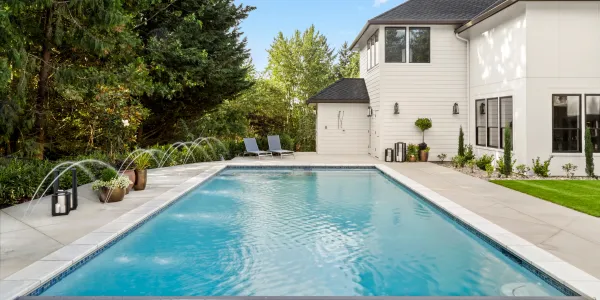
A swimming pool is a valuable investment, but keeping it in good condition requires more than occasional cleaning. Pumps, filters, heaters, sanitation systems, and other components work together to maintain water circulation, cleanliness, and comfortable swimming conditions. Without consistent care, these systems can experience unnecessary wear, reduced efficiency, and costly breakdowns. Regular maintenance helps protect this investment by identifying small problems early and keeping equipment operating as intended.
Choosing the right Swimming Pool Solutions can help homeowners and commercial pool operators establish a maintenance routine that supports equipment reliability and long-term performance. From cleaning filters and monitoring water chemistry to inspecting pumps and servicing heating systems, preventive care can reduce avoidable repairs and extend the useful life of essential pool components. Understanding these practices makes it easier to manage operating costs while maintaining a safe and enjoyable swimming environment.
Why Regular Pool Maintenance Matters
Swimming pool equipment operates under demanding conditions. Pumps circulate chemically treated water, filters collect debris, heaters manage temperature changes, and sanitation systems maintain water quality. Over time, mineral deposits, debris accumulation, chemical imbalances, and mechanical wear can affect their performance.
Regular maintenance helps reduce these risks by keeping equipment clean, properly adjusted, and free from preventable operating problems.
The key benefits include:
- Longer equipment lifespan: Routine inspections and servicing help reduce unnecessary wear.
- Improved energy efficiency: Clean, correctly adjusted systems can operate with less wasted energy.
- Fewer unexpected breakdowns: Early identification of problems may prevent more extensive damage.
- Better water quality: Properly maintained filtration and sanitation equipment support consistent treatment.
- Lower repair expenses: Preventive care can reduce the likelihood of expensive component failures.
- More reliable operation: Equipment is more likely to perform consistently throughout the swimming season.
Although maintenance cannot prevent every failure, it can help pool owners identify developing issues before they become more serious.
Maintaining Swimming Pool Pumps
The pool pump is one of the most important components of a circulation system. It moves water through the filter, heater, and other connected equipment, helping distribute treatment chemicals and remove suspended contaminants.
Because the pump often operates for several hours a day, its condition has a significant influence on overall system performance.
Clean Pump Baskets Regularly
Pump strainer baskets collect leaves, insects, and other debris before they enter the pump assembly. When these baskets become clogged, water flow may decrease, placing additional strain on the circulation system.
Inspect the basket regularly and remove accumulated debris according to the manufacturer’s instructions. Check the basket for cracks or damage and replace it when necessary.
Before opening a pump strainer housing, switch off the equipment and release pressure according to the manufacturer’s safety procedure. Never open a pressurized system.
Monitor Water Flow and Pump Noise
Changes in pump sound, vibration, or water flow may indicate a developing issue. Unusual grinding noises, persistent rattling, or repeated loss of prime should be investigated rather than ignored.
Possible causes include air entering the plumbing, blocked baskets, restricted suction lines, worn bearings, or other mechanical problems.
Prompt inspection can help prevent additional damage. Electrical and internal mechanical repairs should be handled by a qualified technician when required.
Inspect Seals and Connections
Pump seals help prevent water from reaching electrical or mechanical areas where it could cause damage. Leaks around the pump housing or shaft area should be investigated promptly.
Inspect accessible connections for moisture, corrosion, and signs of deterioration. Replacing worn components early may help prevent damage to nearby equipment and reduce water loss.
Keeping Pool Filters in Good Condition
Filters remove suspended particles that affect water clarity and sanitation. A poorly maintained filter may restrict circulation, reduce filtration performance, and force the pump to work harder.
The correct maintenance routine depends on the filter type.
Sand Filter Maintenance
Sand filters trap contaminants within a bed of filter media. Over time, accumulated debris can increase resistance to water flow.
Backwash the filter when indicated by its pressure reading and the manufacturer’s instructions. Excessive backwashing can waste water, so it is important to follow an appropriate cleaning schedule rather than performing the procedure unnecessarily.
The filter media may eventually require inspection or replacement, depending on its condition and the system’s operating requirements.
Cartridge Filter Maintenance
Cartridge filters use pleated elements to capture particles from circulating water. As debris accumulates, the filter may become less effective and restrict flow.
Remove and clean cartridges according to the recommended procedure. Avoid excessive water pressure or harsh cleaning agents that could damage the pleated material.
Inspect cartridges for tears, deformation, or persistent contamination. Replacing damaged elements helps maintain effective filtration and protects the circulation system.
Diatomaceous Earth Filter Maintenance
Diatomaceous earth filters use a fine filtering medium to capture small particles. Their maintenance requirements can be more involved than those of some other filter types.
Follow the manufacturer’s instructions for backwashing, replenishing filter media, inspecting internal components, and disposing of used material. Proper handling is important for both equipment performance and personal safety.
Watch for Changes in Filter Pressure
A pressure gauge provides useful information about filter performance. A gradual pressure increase may indicate that debris is accumulating, while unexpectedly low pressure can point to a circulation problem, air leak, or other fault.
Compare readings with the system’s normal operating conditions. Investigate unusual changes rather than assuming that every pressure variation requires the same response.
Protecting Pool Heaters and Heat Pumps
Pool heaters and heat pumps help maintain comfortable water temperatures, but they require regular attention to operate efficiently. Poor water chemistry, restricted water flow, dirty components, and inadequate ventilation can affect their performance.
Maintain Appropriate Water Chemistry
Unbalanced water can contribute to scaling or corrosion in heating equipment. Mineral deposits may reduce heat transfer, while corrosive conditions can damage susceptible metal components.
Test pool water consistently and maintain chemistry within the ranges specified for the pool and heating equipment. If scale develops repeatedly, investigate the underlying water balance rather than relying solely on frequent cleaning.
Keep Airflow and Ventilation Clear
Heat pumps depend on adequate airflow to transfer heat effectively. Leaves, grass, dust, and other obstructions around the unit can reduce performance.
Keep the manufacturer’s recommended clearance around the equipment and remove debris from accessible exterior surfaces. Do not obstruct air intakes or outlets, and arrange professional servicing when internal cleaning is required.
Gas heaters have their own combustion and ventilation requirements. These systems should be inspected and serviced by qualified professionals according to the manufacturer’s schedule and applicable regulations.
Check Performance and Operating Costs
An unexpected increase in heating time or energy consumption may indicate restricted flow, dirty components, incorrect settings, or a developing equipment fault.
Monitor performance over time and investigate persistent changes. Correcting a small issue early may prevent unnecessary energy use and reduce the risk of more expensive repairs.
Maintaining Water Chemistry to Protect Equipment
Water chemistry has a direct effect on the lifespan of pool equipment and surfaces. Improperly balanced water can contribute to corrosion, mineral scaling, and premature deterioration of certain components.
Maintaining suitable chemical levels helps protect pumps, heaters, filters, plumbing, and pool finishes.
Test pH Regularly
For many conventional chlorine-treated pools, a commonly recommended pH range is approximately 7.2 to 7.8. The appropriate target depends on the pool system, treatment method, and applicable guidelines.
Low pH can contribute to corrosive conditions, while high pH may encourage scaling and reduce chlorine effectiveness.
Use a reliable testing method and make adjustments according to product instructions. Avoid adding chemicals without confirming the water’s actual condition.
Monitor Calcium Hardness
Calcium hardness affects the balance between water and mineral-containing surfaces. Excessive calcium can contribute to deposits inside heaters and plumbing, while insufficient calcium may make certain cement-based surfaces more vulnerable to deterioration.
The suitable range varies with pool construction, temperature, pH, alkalinity, and equipment requirements.
Regular testing helps identify trends before mineral imbalance becomes a persistent maintenance problem.
Keep Sanitizer Levels Appropriate
Sanitizers help control microorganisms and maintain suitable water conditions. However, incorrect treatment practices may affect equipment, surfaces, and swimmer comfort.
Follow the requirements of the selected sanitation system and use only compatible products. Store chemicals separately and never mix pool chemicals together, because dangerous reactions may occur.
A consistent testing routine supports effective sanitation without unnecessary chemical additions.
Inspecting Pool Plumbing and Valves
Pool plumbing carries water between the pool, pump, filter, heater, and other treatment equipment. Leaks, blockages, and damaged valves can interfere with circulation and place extra demands on the system.
Regular visual inspections help identify developing problems.
Check accessible pipes and fittings for moisture, corrosion, cracks, and loose connections. Inspect valves to ensure they move correctly and direct water as intended.
A sudden drop in water level may have several causes, including evaporation, splash-out, or a leak. If the loss appears unusual or continues despite normal conditions, investigate the cause rather than repeatedly topping up the pool without assessment.
Professional leak detection may be appropriate when the source is difficult to locate. Repairing plumbing problems promptly can protect nearby structures and prevent unnecessary pump operation.
The Importance of Cleaning Pool Surfaces and Baskets
Leaves, dirt, insects, and other debris can increase the workload placed on pool equipment. When debris accumulates in skimmers, pump baskets, or filters, circulation may become less efficient.
Routine cleaning helps prevent these avoidable problems.
Empty Skimmer Baskets
Skimmer baskets collect floating debris before it reaches the pump. Empty them regularly, especially during periods of heavy leaf fall or frequent pool use.
Check that the basket remains correctly positioned and is free from cracks that could allow debris to bypass it.
Brush Walls and Steps
Brushing pool walls, steps, corners, and other surfaces loosens dirt and helps prevent buildup. The appropriate brush depends on the pool’s finish, so use equipment that will not scratch or damage the surface.
Removing debris before it accumulates can reduce cleaning demands and support effective filtration.
Remove Debris From the Water
Skimming the water surface helps limit the amount of organic material entering the circulation system. Leaves and other debris left to break down can increase the demand for sanitation chemicals and contribute to staining or cloudy water.
Regular cleaning is a simple way to reduce the workload on filters and other pool equipment.
How Preventive Maintenance Reduces Repair Costs
Preventive maintenance focuses on identifying and addressing small issues before they cause larger failures. Although inspections and servicing require time and sometimes professional fees, they can be less expensive than replacing damaged equipment.
For example, cleaning a clogged basket may restore normal flow before prolonged restriction affects system performance. Replacing a worn seal may prevent a persistent leak from causing additional damage. Correcting water chemistry may help reduce the risk of corrosion or scaling in costly equipment.
A practical preventive maintenance program should include:
- Routine visual inspections of pumps, filters, heaters, and plumbing.
- Regular water testing and chemical adjustments.
- Cleaning of baskets, filters, and accessible equipment surfaces.
- Monitoring of operating pressure, flow, temperature, and unusual sounds.
- Scheduled professional servicing where recommended.
- Written records of inspections, repairs, and replacement parts.
Keeping maintenance records can help identify recurring problems, track equipment performance, and plan replacement budgets more accurately.
Seasonal Pool Maintenance for Longer Equipment Life
Pool equipment may experience different operating demands throughout the year. Seasonal maintenance helps prepare the system for changing temperatures, usage patterns, and periods of inactivity.
Preparing for the Swimming Season
Before regular use begins, inspect the pump, filter, heater, valves, and visible plumbing. Clean the pool, check water chemistry, and confirm that the circulation and sanitation systems operate as expected.
Examine electrical components and safety devices through a qualified professional when required. Address any damage or unusual operating conditions before the pool enters a period of heavier use.
Maintaining Equipment During Peak Use
During busy periods, increased swimmer activity can introduce more contaminants into the water. Higher temperatures and intense sunlight may also affect chemical demand.
Increase testing and cleaning frequency when conditions require it. Monitor equipment performance and respond promptly to persistent changes in flow, pressure, or water quality.
Closing or Winterizing the Pool
Pools that will remain unused during cold weather may require a specific closing procedure. Depending on the climate and equipment, this can include lowering water levels as appropriate, protecting plumbing from freezing, preparing heaters and pumps, and securing the pool with a suitable cover.
Follow the manufacturer’s winterization instructions and local recommendations. Incorrect closing procedures can allow water to freeze in pipes or equipment, potentially causing expensive damage.
Pools that remain operational year-round require a maintenance approach suited to their climate and usage rather than a standard winter closure.
Using Smart Technology for Maintenance Monitoring
Modern pool controllers and connected monitoring devices can make maintenance more organized. Depending on the system, they may track selected water parameters, provide equipment alerts, schedule circulation, or help manage heating and lighting.
These features can support preventive maintenance by making unusual conditions easier to notice. For example, an alert about abnormal pressure or a change in measured water chemistry may prompt an inspection before the issue becomes more serious.
However, connected equipment does not replace physical inspections or appropriate water testing. Sensors need calibration and maintenance, and alerts must be interpreted according to the equipment’s instructions.
Pool owners should prioritize technology that addresses their actual maintenance challenges and is compatible with existing equipment.
When to Call a Pool Maintenance Professional
Some maintenance tasks are suitable for routine owner care, while others require specialized knowledge or equipment. Recognizing the difference helps protect both the pool system and the people maintaining it.
Professional assistance may be appropriate when:
- A pump repeatedly loses prime or makes unusual mechanical noises.
- Water leaks persist around equipment or plumbing.
- A heater fails to maintain temperature or displays recurring faults.
- Filter pressure remains abnormal after the recommended cleaning procedure.
- Water chemistry cannot be stabilized despite correct testing and adjustments.
- Electrical components show signs of damage or malfunction.
- Equipment requires internal servicing, replacement, or complex troubleshooting.
Never open pressurized equipment or attempt electrical repairs around a pool without the necessary qualifications. Professional servicing can help identify the cause of persistent problems and ensure repairs are completed correctly.
Common Pool Maintenance Mistakes to Avoid
Even a well-designed pool system can deteriorate prematurely when maintenance is inconsistent. Avoiding these common mistakes helps support equipment reliability.
- Ignoring small leaks: Persistent leaks can waste water and contribute to additional damage.
- Skipping water tests: Chemical imbalance can affect both sanitation and equipment materials.
- Neglecting filter cleaning: Restricted flow may reduce filtration effectiveness and increase operating demands.
- Running damaged equipment: Continuing to use faulty pumps or heaters can worsen the underlying problem.
- Using incompatible chemicals: Incorrect products or unsafe mixing practices can damage equipment and create hazards.
- Overlooking manufacturer instructions: Different pumps, filters, heaters, and controllers have specific servicing requirements.
- Delaying professional repairs: Repeated alarms or unexplained performance changes should be investigated.
A consistent maintenance schedule is usually more effective than waiting for visible problems or equipment failure.
Conclusion
Regular pool maintenance plays a major role in extending equipment lifespan, improving efficiency, and reducing avoidable repair expenses. Cleaning pump baskets, maintaining filters, monitoring water chemistry, inspecting plumbing, and servicing heating equipment can all help keep a swimming pool system operating reliably.
The most effective approach combines routine owner care with professional servicing when necessary. By following manufacturer recommendations, responding to early warning signs, and keeping accurate maintenance records, residential and commercial pool owners can protect their investment and maintain better water quality over time.
Consistent preventive care cannot eliminate every equipment problem, but it can reduce unnecessary wear, support efficient operation, and help ensure that the pool remains enjoyable and dependable for years to come.
About Post Author

More Stories
Wudu Basin Installation: Important Measurements and Plumbing Considerations
Enjoy Smooth, Creamy Coffee Creations with an Efficient Electric Milk Frother
China B87 Air Pick: Specifications, Heavy-Duty Applications, and Performance Advantages