

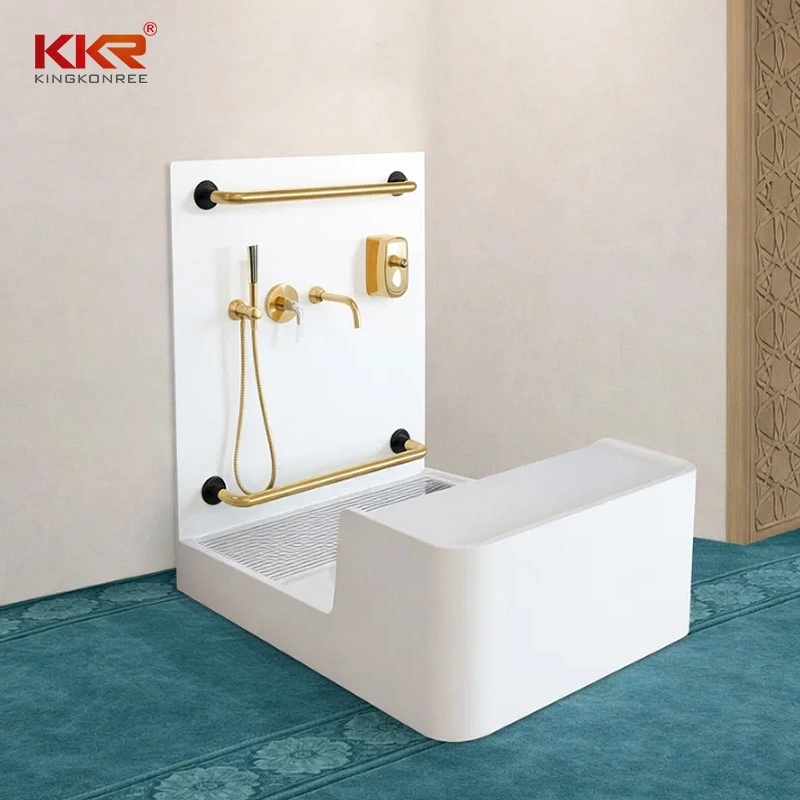
Wudu Basin Installation: Important Measurements and Plumbing Considerations
Installing a wudu basin requires careful planning to ensure comfortable use, effective drainage, and long-term reliability. Whether the basin is being fitted in a private bathroom, a mosque, or a dedicated ablution area, the installation should account for available space, user accessibility, water supply, and plumbing connections. Proper preparation helps prevent common problems such as leaks, water pooling, and uncomfortable washing positions.
Before beginning the project, measure the installation area and review the basin manufacturer’s specifications. Selecting a suitable Wudu Basin is only the first step; its height, depth, mounting method, and drainage arrangement must also work with the surrounding space. A well-planned installation makes daily ablution more convenient and simplifies ongoing maintenance.
1. Measure the Available Installation Space
Accurate measurements help determine which basin design will fit the room without restricting movement. Start by measuring the available wall width, floor depth, and distance between the proposed basin and nearby fixtures.
Consider the space needed for users to approach the basin, wash comfortably, and move away safely. In shared facilities, allow sufficient room between adjacent basins to reduce crowding and prevent users from interfering with one another.
Record the locations of existing water supply lines, waste pipes, electrical outlets, doors, and other obstacles before choosing the final position. These details can affect both the installation method and the overall cost.
2. Determine the Appropriate Basin Height
Basin height directly affects comfort during ablution. If the basin is too low, users may need to bend excessively. If it is too high, washing the feet or lower legs may become difficult.
The ideal height depends on the basin’s design, the intended users, and the activities performed at the installation point. A standard bathroom basin height may not be suitable for every wudu basin, particularly models designed for foot washing.
Before fixing the mounting position, review the manufacturer’s installation guidance and consider the needs of children, older adults, and people with limited mobility. For public facilities, accessibility requirements should also be considered.
3. Check Basin Depth and Width
The basin’s width and depth influence how comfortably users can wash while controlling splashes. A basin that is too shallow may allow water to spill onto the floor, while an unnecessarily deep model may require users to reach farther than is comfortable.
Choose dimensions that provide adequate washing space without making the installation area feel cramped. The shape of the basin, the position of the faucet, and the slope toward the drain all contribute to usability.
If the basin is intended for foot washing, confirm that its design accommodates the required movement and washing position. Do not rely on external dimensions alone; review the internal bowl dimensions as well.
4. Select the Right Mounting Method
Wudu basins are available in several installation styles, and each has different structural and plumbing requirements.
Wall-Mounted Basins
Wall-mounted models can preserve floor space and make cleaning beneath the basin easier. However, the wall and fixing system must be capable of supporting the basin and the expected load.
Installers should identify suitable structural support and use mounting hardware specified by the manufacturer. Where the wall cannot safely support the basin, reinforcement may be required.
Floor-Supported or Pedestal Designs
Some basins use a pedestal or floor-supported structure. These designs can provide additional support but require adequate floor space and careful alignment with the plumbing connections.
Check that the base sits securely on the finished floor and that the waste pipe remains accessible for maintenance.
Countertop or Integrated Designs
Countertop basins require a suitable supporting surface and correctly sized cutouts where applicable. The countertop must be level, water-resistant, and strong enough to support the basin.
Follow the manufacturer’s instructions for sealing joints and connecting the waste outlet to reduce the risk of water entering the cabinetry or surrounding structure.
5. Plan the Water Supply Connections
The water supply should provide an appropriate flow for the intended use without causing excessive splashing. Before installation, confirm the position of the hot and cold water lines, where applicable, and check that the faucet matches the basin’s configuration.
Some basins use a single faucet hole, while others may accommodate separate handles or wall-mounted fittings. Confirm the required hole size, faucet reach, and clearance between the spout and the basin.
Accessible shut-off valves are useful because they allow the water supply to be isolated during repairs. A qualified plumber should check the connections for leaks and ensure that the installation complies with local plumbing requirements.
6. Position the Drain Correctly
Effective drainage is essential for a clean and functional ablution area. The waste outlet should align with the plumbing connection, and the drain assembly must be compatible with the basin’s outlet size.
Check the following before finalizing the installation:
- The drain opening matches the specified waste fitting.
- The waste pipe has the correct alignment and slope.
- Connections are properly sealed to prevent leaks.
- The trap and waste fittings remain accessible for cleaning.
- The drainage system can handle the expected water flow.
Incorrect alignment may cause slow drainage, persistent water pooling, or unnecessary stress on pipe connections. Avoid forcing fittings into place when the outlet and waste pipe do not align; adjust the plumbing layout as needed.
7. Prevent Water Splashes and Floor Pooling
Water management should be considered before the basin is permanently fixed. The faucet should direct water into the bowl rather than toward the rim, wall, or floor. Faucet reach and flow rate should be suitable for the basin’s dimensions.
The surrounding floor should also be designed to manage occasional splashes. Use appropriate wet-area flooring and ensure that any floor drainage system is installed according to local building requirements.
In mosques and other shared ablution spaces, the layout should allow users to wash without obstructing walkways. Keeping the surrounding area clear can improve both hygiene and safety.
8. Consider Accessibility and User Safety
A properly installed wudu basin should accommodate the people who will use it most frequently. Consider the height of the basin, the distance to the faucet, available legroom, and the ease of reaching the washing area.
Where accessibility is important, provide adequate approach space and select fittings that are simple to operate. Lever handles or appropriately designed sensor faucets may be useful for some installations.
The floor around the basin should provide reliable slip resistance when wet. Avoid leaving exposed pipework, sharp edges, or protruding fittings in locations where they could cause injury. For public or commercial facilities, confirm the relevant accessibility and safety standards before construction.
9. Test the Installation Before Regular Use
Once the basin has been installed, test every connection before putting the area into service. Turn on the water supply and inspect the faucet, supply hoses, waste outlet, and visible pipe joints for leaks.
Fill the basin partially, then release the water to check how effectively it drains. Observe whether water collects around the outlet or spills over the edges during normal use.
Also check that the basin remains stable, the faucet operates correctly, and any mounting hardware is secure. Follow the manufacturer’s recommendations for curing times if sealants or adhesives have been used before exposing the installation to water.
10. Plan for Maintenance and Future Repairs
Good installation planning should make future maintenance straightforward. Position shut-off valves where they can be reached, avoid permanently enclosing essential plumbing connections without an access panel, and choose fittings for which replacement parts are available.
Clean the basin with products suitable for its material and finish. Abrasive cleaners may damage certain surfaces, while unsuitable chemicals can affect sealants or metal fittings.
Periodically inspect the faucet, drain, mounting points, and surrounding sealant. Address small leaks promptly to prevent damage to cabinets, walls, floors, and nearby fixtures.
Common Wudu Basin Installation Mistakes to Avoid
Several preventable mistakes can reduce the performance and lifespan of a wudu basin.
- Ignoring measurements: Failing to account for the basin’s full dimensions can restrict movement or create awkward washing positions.
- Choosing an unsuitable height: Incorrect placement may cause discomfort during repeated use.
- Overlooking wall support: A wall-mounted basin needs an appropriate structure and fixing system.
- Misaligning the drain: Poor alignment can lead to leaks and drainage problems.
- Using incompatible fittings: Faucets, waste outlets, and connectors must match the basin specifications.
- Neglecting floor safety: Water splashes can create slipping hazards if the surrounding area is not designed appropriately.
- Sealing away plumbing access: Inaccessible connections can make repairs more difficult and expensive.
Reviewing these details before installation can reduce rework and help ensure dependable performance.
Conclusion
Successful wudu basin installation depends on more than selecting an attractive design. Accurate measurements, suitable mounting support, correctly positioned water supplies, effective drainage, and appropriate floor safety measures all contribute to a comfortable and reliable ablution area.
Before work begins, confirm the basin dimensions and installation instructions, plan the plumbing layout, and account for the needs of the people who will use the space. Having a qualified plumber or installer complete and test the connections can help prevent avoidable problems. With careful planning and regular maintenance, a well-installed wudu basin can serve homes, mosques, and other facilities effectively for years.
About Post Author


More Stories
Enjoy Smooth, Creamy Coffee Creations with an Efficient Electric Milk Frother
China B87 Air Pick: Specifications, Heavy-Duty Applications, and Performance Advantages
How to Choose Inflatable Sports Games for Indoor and Outdoor Events