

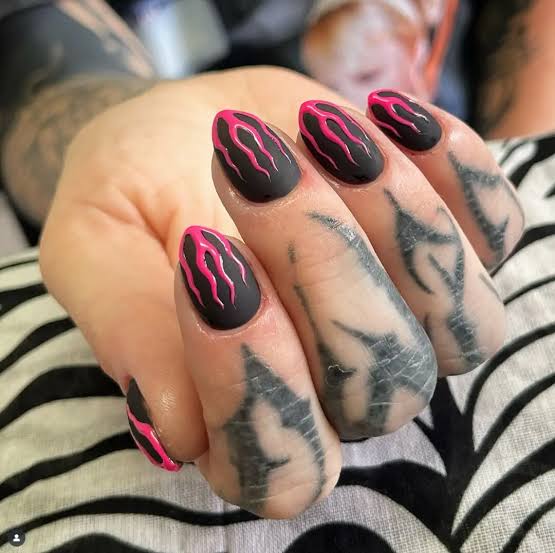
Launching a gel polish collection can be an exciting step for a beauty brand, but turning an idea into a dependable product line requires careful planning. Color development, formulation, testing, packaging, production, quality control, labeling, inventory, and delivery all need to work together. The manufacturing partner you choose can influence almost every stage of that process.
Working with the right Gel Polish Manufacturer can give beauty brands greater control over product development and presentation. Depending on the manufacturer’s capabilities, a brand may be able to develop specific shades, finishes, packaging, bottle designs, and other product details. The key is to choose a partner that can meet your specifications consistently rather than simply offering an attractive initial quotation.
What Is a Gel Polish Manufacturer?
A gel polish manufacturer produces gel-based nail color products according to established product specifications.
Some manufacturers focus on ready-made formulas, while others provide private-label or custom manufacturing services. The level of support can vary significantly.
A manufacturing partner may assist with:
- Formula development
- Color creation
- Sample production
- Raw-material sourcing
- Gel polish production
- Bottle filling
- Brush selection
- Labeling
- Packaging
- Quality inspection
- Bulk production
Before starting a project, it is important to understand exactly which services the manufacturer provides.
Why Manufacturer Selection Matters
A gel polish product is only as strong as the process behind it.
If the formula is inconsistent, customers may notice differences between purchases. If packaging is unreliable, products can arrive damaged. If production schedules are poorly managed, a delayed shipment could affect a product launch.
A dependable manufacturer helps reduce these risks.
The ideal partner should be able to balance product quality, customization, production capacity, communication, and commercial requirements.
Define Your Brand Concept First
Before contacting manufacturers, establish a clear product concept.
Think about the audience you want to serve and the position you want your brand to occupy.
Consider:
- Target customer
- Retail price range
- Product style
- Color preferences
- Finish types
- Packaging style
- Professional or consumer use
- Collection size
For example, a premium beauty brand might focus on elegant neutrals and sophisticated packaging, while a trend-driven brand may prefer vivid shades and expressive finishes.
A clear concept makes the manufacturing process much easier to manage.
Decide Between Private Label and Custom Development
Beauty brands generally have different options when developing gel polish.
Private Label
A private-label product usually involves an existing manufacturer formula that is sold under your brand name with your own packaging and presentation.
This approach can be useful for businesses that want to launch relatively quickly.
Custom Development
Custom development can involve creating specific colors, finishes, formulas, packaging, or other product characteristics.
This approach can provide greater differentiation but may involve more development time, testing, and investment.
The best option depends on your budget, launch schedule, target market, and desired level of uniqueness.
Build a Focused Color Collection
A new brand does not necessarily need dozens or hundreds of shades.
A focused collection can be easier to manage and easier for customers to understand.
A starter range could include:
- White
- Black
- Nude
- Soft pink
- Classic red
- Burgundy
- Brown
- One or two bright colors
- Glitter
- Shimmer
The specific selection should reflect your target market.
Rather than choosing colors simply because they look attractive, consider how customers will actually use them.
Custom Color Development
Color is one of the most important elements of a gel polish collection.
If you want custom shades, communicate your requirements clearly.
You may provide:
- Color references
- Physical samples
- Existing shade references
- Digital references
- Descriptions of the desired tone
However, digital images should not be treated as the final standard because colors can appear differently across screens and lighting conditions.
Request physical samples and approve the final shade before bulk production.
Test Colors Under Different Lighting
A shade that looks perfect under one light source may appear different under another.
Evaluate samples under several lighting conditions.
Check:
- Daylight
- Indoor lighting
- Warm lighting
- Cooler lighting
This is especially important when developing nude, pastel, neutral, and subtle shades.
A careful approval process can help reduce color-related surprises after production.
Understand Gel Polish Formulation
Formula characteristics have a direct impact on application and performance.
Important properties include:
- Viscosity
- Pigmentation
- Coverage
- Leveling
- Application control
- Curing behavior
- Finish
- Wear characteristics
- Removal
Different markets may require different priorities.
A salon-focused product may need efficient application, while a consumer-focused product may emphasize ease of use.
Discuss your intended application and target user with the manufacturer before finalizing the formula.
Why Sample Testing Is Essential
Samples give you the opportunity to evaluate a manufacturer’s actual capabilities.
Do not approve a product simply because the color looks attractive in a bottle.
Test the formula on appropriate nail surfaces and follow the recommended application and curing instructions.
Evaluate:
- Application
- Coverage
- Pigmentation
- Texture
- Curing
- Finish
- Brush performance
- Compatibility
- Removal
If possible, ask experienced nail technicians to test the products and provide feedback.
Test Different Types of Shades
Not every color behaves the same way.
Light shades, dark colors, highly pigmented formulas, glitter, and specialty finishes can present different formulation challenges.
If your collection includes several categories, test representative samples from each one.
This gives you a better understanding of whether the manufacturer can maintain quality across the complete collection.
Consider Specialty Finishes
Finishes can make a gel polish collection more distinctive.
Possible options include:
- Glossy
- Matte
- Glitter
- Shimmer
- Metallic
- Pearl
- Magnetic
- Sheer
- Jelly
- Chrome-inspired
Each finish should be tested for its intended visual effect.
For example, glitter should provide attractive distribution, while magnetic gel polish should produce the expected pattern when used correctly.
Packaging Is Part of Your Brand
Packaging can influence how customers perceive a product before they use it.
Your bottle, label, cap, box, and outer presentation should communicate the positioning of your brand.
Consider:
- Bottle shape
- Bottle size
- Cap design
- Brush
- Label material
- Label placement
- Shade identification
- Box design
- Shipping protection
A premium formula can lose some of its perceived value if the packaging looks poorly made.
Choose the Brush Carefully
Brush performance directly affects application.
A professional user needs adequate control, especially around the cuticle area.
When reviewing brush samples, consider:
- Width
- Flexibility
- Bristle quality
- Product pickup
- Control
- Application consistency
Test several brushes if possible rather than evaluating only one.
Quality Control During Production
Quality control should cover the entire manufacturing process.
A professional manufacturer may monitor:
Raw materials: Materials are checked and handled appropriately.
Production: Formulas are produced according to approved specifications.
Filling: Bottles receive the intended quantity.
Packaging: Bottles, caps, labels, and boxes are inspected.
Finished products: Completed units are checked before shipment.
Ask manufacturers to explain their quality-control procedures before placing an order.
Maintaining Batch Consistency
Consistency is particularly important for products that customers reorder.
Suppose a customer purchases a particular shade today and buys it again six months later. They expect the product to remain substantially consistent.
This means approved formulas and specifications should be documented.
Ask how the manufacturer maintains records for:
- Formula
- Color
- Packaging
- Bottle
- Brush
- Fill volume
- Labels
Proper records make future production more predictable.
Understand Minimum Order Quantities
Minimum order quantity, commonly called MOQ, can affect your entire launch strategy.
Manufacturers may set separate minimum quantities for:
- Individual shades
- Custom formulas
- Bottles
- Labels
- Boxes
- Specialty packaging
A high MOQ can create inventory pressure for a new business.
Before development begins, make sure you understand the manufacturer’s minimum requirements.
Calculate the Complete Product Cost
Do not focus exclusively on the price per bottle.
The total cost may include:
- Formula development
- Color matching
- Samples
- Bottles
- Brushes
- Labels
- Boxes
- Printing
- Testing
- Shipping
- Import expenses
Calculate the expected landed cost before setting your retail price.
This helps you determine whether the project makes commercial sense.
Ask About Production Lead Times
Manufacturing involves multiple stages.
A typical development process may look like:
Product concept → Formula development → Samples → Testing → Approval → Packaging → Production → Inspection → Shipping
Each stage requires time.
Ask the manufacturer for realistic estimates and determine whether lead times change for custom products or larger orders.
Building some flexibility into your launch schedule can reduce pressure.
Review Documentation
Beauty products can be subject to different requirements depending on where they are sold.
Depending on your target market, you may need information relating to:
- Ingredients
- Product specifications
- Labeling
- Safety information
- Batch details
- Testing
- Manufacturing practices
Ask the manufacturer what documentation it can provide.
At the same time, verify the specific requirements that apply to your target market rather than assuming that manufacturer documentation covers every obligation.
Ingredient Transparency Matters
A responsible beauty brand should understand the ingredients used in its products.
Ask the manufacturer for appropriate ingredient information and discuss formulation requirements before production.
Ingredient information may also be needed when preparing:
- Product labels
- Packaging
- Online product pages
- Customer information
- Regulatory records
If the formula changes later, make sure those changes are properly communicated and documented.
Evaluate Communication
Communication is often an overlooked part of manufacturer selection.
Pay attention to how potential suppliers handle your questions.
A professional partner should be able to:
- Explain product specifications
- Provide clear quotations
- Confirm requirements
- Discuss limitations
- Communicate production changes
- Provide realistic timelines
If communication is unclear during the development stage, managing a large production order may become difficult.
Consider Manufacturing Capacity
Your current order may be small, but successful products can create much larger demand.
Ask about the manufacturer’s production capacity and ability to scale.
Important considerations include:
- Current production capability
- Larger-order capacity
- Material availability
- Packaging availability
- Quality control at higher volumes
- Reorder lead times
A manufacturer should be able to support reasonable growth without compromising consistency.
Plan for Reorders
Your relationship with a manufacturer should not be evaluated only by the first order.
If a particular shade becomes a bestseller, you will want to reorder it without unnecessary changes.
Ask how the manufacturer handles repeat production.
Approved formulas, colors, packaging, and specifications should be properly recorded so future orders can be produced consistently.
Watch for Warning Signs
Some issues should make you pause before selecting a supplier.
Be cautious if a manufacturer:
- Refuses to provide samples
- Gives vague technical information
- Avoids questions about quality control
- Makes unrealistic product claims
- Provides unclear pricing
- Changes specifications without explanation
- Pressures you into a very large order
- Cannot provide realistic production timelines
A professional supplier should be willing to discuss requirements openly.
Start With a Manageable Order
If you are working with a new manufacturing partner, consider starting with a manageable production quantity when practical.
Use the initial order to evaluate:
- Product consistency
- Packaging
- Delivery
- Communication
- Quality control
- Customer response
If the experience is positive, you can increase order volumes over time.
This approach can be particularly useful for startups and smaller beauty businesses.
Use Customer Feedback to Improve Your Collection
Once your products reach the market, feedback becomes valuable.
Track which shades customers request most often and which products receive repeat purchases.
For professional users, collect feedback about:
- Application
- Curing
- Coverage
- Finish
- Brush performance
For consumer brands, pay attention to reviews, returns, complaints, and repeat orders.
Use this information to guide future product development.
Quality Should Come Before Collection Size
A large catalog is not automatically a competitive advantage.
A smaller collection of reliable, attractive products can create a better customer experience than a large range with inconsistent quality.
Focus on getting your core products right.
Then expand according to real demand.
Building a Long-Term Manufacturer Relationship
A strong manufacturing relationship can become an important business asset.
As your brand develops, you may need:
- New shades
- Seasonal collections
- Specialty finishes
- Updated packaging
- Larger production runs
- Additional product categories
Working with a manufacturer that already understands your brand specifications can make future projects more efficient.
A Practical Manufacturer Checklist
Before making your final decision, compare potential manufacturers using a consistent checklist.
| Area | What to Evaluate |
|---|---|
| Experience | Relevant gel polish manufacturing experience |
| Formula | Texture, pigmentation, application, curing |
| Samples | Quality and testing process |
| Colors | Accuracy and consistency |
| Finishes | Ability to produce required effects |
| Brush | Control and application |
| Packaging | Quality and brand compatibility |
| MOQ | Minimum quantities |
| Pricing | Complete production cost |
| Quality control | Production and finished-product checks |
| Documentation | Available product information |
| Lead time | Realistic production schedule |
| Capacity | Ability to support future growth |
| Communication | Responsiveness and transparency |
| Reorders | Ability to reproduce approved products |
Using the same criteria for each supplier makes comparison easier.
Final Thoughts
Choosing a gel polish manufacturer is one of the most important decisions a beauty brand can make during product development. The right partner can influence formula quality, color consistency, packaging, production efficiency, documentation, costs, and the overall customer experience.
Start by defining your target audience and product concept. Decide which colors, finishes, packaging, and formula characteristics fit your brand. Then evaluate potential manufacturers based on samples, quality-control procedures, customization capabilities, MOQs, production capacity, communication, and documentation.
Do not rush into a large order simply because a supplier offers a low price. Test the products, verify the specifications, understand the complete costs, and make sure the manufacturer can support future reorders.
A successful gel polish collection is built through careful product development and dependable manufacturing. When the right manufacturing partner combines technical capability with consistent quality and clear communication, a beauty brand has a much stronger foundation for creating products that customers trust and want to purchase again.
About Post Author



More Stories
The Role of Xprinter Thermal Printers in Improving Retail Checkout Efficiency
How to Identify High-Quality Tissue Culture Plants Before Purchasing
Understanding Acoustic Panel Specifications Before Placing a Bulk Order