

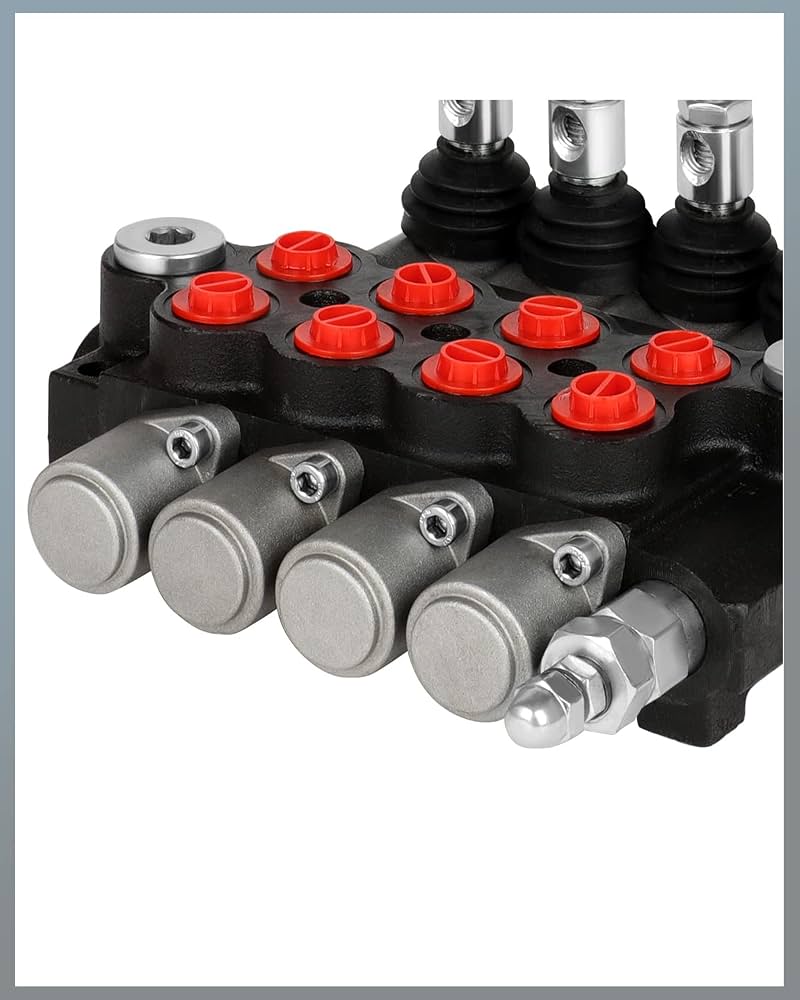
Selecting a hydraulic control valve for a specialized machine requires careful attention to the system’s operating conditions and performance requirements. A valve that appears suitable by size alone may not provide the necessary pressure control, flow capacity, or response characteristics once installed.
When standard components do not fully match the application, a customized hydraulic control valve can be specified according to the equipment’s particular requirements. The process starts with collecting accurate technical information and identifying which valve characteristics are essential to system performance.
Start With the Hydraulic Circuit
Before specifying a valve, examine the complete hydraulic circuit. Understanding how the pump, actuator, reservoir, hoses, filters, and other control components interact provides useful context for determining the valve’s requirements.
Identify where the valve will be installed and what function it needs to perform. This helps avoid selecting specifications based on isolated requirements that may not reflect actual system conditions.
Define Pressure Requirements
Pressure is a fundamental specification for any hydraulic valve. Determine the normal operating pressure as well as the maximum pressure the system may experience.
Pressure fluctuations and temporary spikes should also be considered. The selected valve should have an appropriate pressure rating for the complete operating range rather than only the typical working pressure.
Establish the Required Flow Rate
Flow capacity determines how much hydraulic fluid the valve can handle and can directly influence actuator speed. Specify both the expected operating flow and any potential peak flow.
An undersized valve may create excessive pressure drop and heat generation. Conversely, selecting a valve with substantially more capacity than necessary may add cost without providing a practical performance benefit.
Identify the Valve Function
Clearly define what the valve needs to accomplish within the hydraulic circuit. Common functions include directional control, pressure regulation, flow control, load holding, and sequence control.
The required function determines the basic valve configuration and internal design. It also helps establish the number of ports, positions, adjustment ranges, and other technical specifications.
Specify the Control Method
Determine how the valve will be operated. Depending on the equipment, possible options include manual, mechanical, hydraulic, pneumatic, or electrical actuation.
For automated systems, additional requirements may include electrical voltage, connector type, feedback, switching characteristics, or compatibility with a control system. These details should be established before the valve design is finalized.
Check Hydraulic Fluid Compatibility
The hydraulic medium can affect the choice of seals and other internal materials. Specify the exact fluid type and consider its viscosity range and operating temperature.
If the equipment uses a specialized or less common hydraulic fluid, this information is particularly important. Material compatibility helps reduce the risk of seal deterioration, leakage, or inconsistent operation.
Define Temperature Conditions
Temperature should be considered alongside pressure and fluid specifications. Hydraulic fluid viscosity can change with temperature, while seals and other materials have their own operating limits.
Provide the expected minimum and maximum operating temperatures when requesting a valve design. This allows the component to be evaluated under realistic environmental conditions.
Provide Connection Details
Connection requirements should be documented precisely. These may include:
- Port size
- Thread or connection standard
- Number and location of ports
- Port orientation
- Mounting configuration
- Hose or tubing requirements
Accurate connection information helps ensure that the valve can be integrated into the existing hydraulic system without unnecessary modifications.
Account for Available Space
Installation dimensions can be critical, particularly when replacing a valve or adding a component to an established machine. Measure the available space and identify any restrictions around mounting and service access.
Overall valve dimensions, mounting-hole positions, port orientation, and access for adjustment or maintenance should all be included in the specification.
Define Performance Expectations
Technical specifications should describe not only what the valve must withstand but also how it should perform. Depending on the application, this may include response time, flow stability, pressure regulation accuracy, leakage limits, or actuator control precision.
Clear performance targets make it easier to determine whether the final design meets the actual needs of the machine.
Consider Environmental Conditions
The surrounding environment can influence valve selection. Equipment used outdoors, in dusty facilities, near moisture, or in areas with significant vibration may require additional protection or different materials.
Specify relevant environmental conditions early in the design process. This prevents important requirements from being overlooked during component selection.
Provide Complete Technical Documentation
When requesting a customized valve, complete technical information can make the design process more efficient. Useful documentation may include hydraulic circuit diagrams, installation drawings, operating parameters, photographs, and details of the existing valve.
If replacing an existing component, providing its specifications and explaining any performance issues can also help identify the appropriate design requirements.
Test Before Full Implementation
Testing provides an opportunity to verify whether the valve performs as expected under representative conditions. Pressure, flow, temperature, leakage, response, and control behavior can be evaluated during validation.
If the application is particularly demanding, testing should reflect the most challenging expected operating conditions. This helps identify potential issues before the valve is integrated into production equipment.
Final Thoughts
Specifying a hydraulic valve for a specialized application involves more than choosing pressure and flow ratings. The valve’s function, control method, fluid compatibility, connections, dimensions, temperature range, environmental conditions, and performance requirements should all be clearly defined.
A detailed specification gives engineers a stronger foundation for developing the right valve configuration. By providing accurate system data and validating the final design, users can improve compatibility, reliability, and overall hydraulic system performance.
About Post Author



More Stories
How to Identify High-Quality Tissue Culture Plants Before Purchasing
Factors to Consider When Choosing Paper Lunch Boxes Wholesale
Understanding Sand Aluminium Casting and Its Role in Custom Metal Component Production