

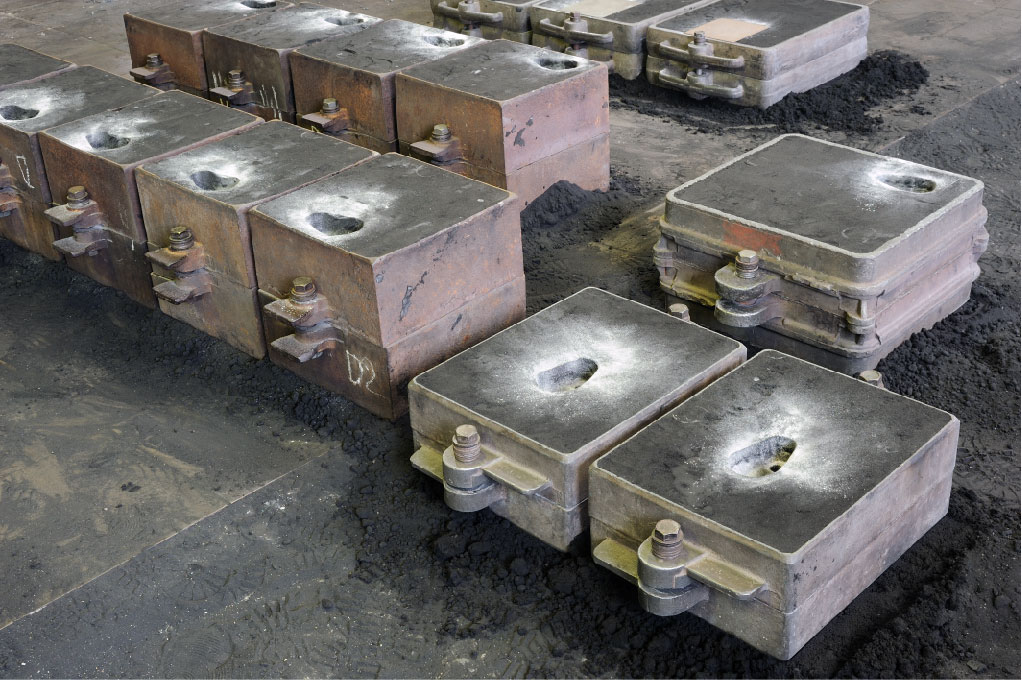
Aluminium casting is widely used in manufacturing because it allows businesses to produce metal components with different shapes, sizes, and functional requirements. Among the available casting methods, sand casting remains an important option for producing custom components, prototypes, and small-to-medium production runs. Its flexible moulding process makes it suitable for applications where complex geometries or specialized designs are required without the expense of permanent metal tooling.
Sand Aluminium casting involves pouring molten aluminium alloy into a mould formed from specially prepared sand. Once the metal cools and solidifies, the mould is removed to reveal the cast component. This method offers design flexibility, a relatively economical tooling approach, and compatibility with a range of aluminium alloys. Understanding its working process, benefits, limitations, and applications helps manufacturers determine when it is the right choice for custom metal component production.
What Is Sand Aluminium Casting?
Sand aluminium casting is a metal manufacturing process in which molten aluminium is poured into a cavity created inside a sand mould. The cavity is shaped according to the dimensions and design of the required component.
Unlike permanent mould casting, which uses reusable metal dies, sand casting generally uses an expendable mould. The sand mould is broken or removed after the aluminium has solidified, and a new mould is prepared for the next casting.
The process can accommodate a wide range of component designs, including parts with relatively large dimensions, intricate external shapes, and selected internal cavities created using cores.
Common features of sand aluminium casting include:
- Moulds made from prepared foundry sand
- Compatibility with various aluminium casting alloys
- Flexibility for custom component designs
- Relatively low initial tooling costs compared with permanent dies
- Suitability for prototypes and selected production volumes
- Options for machining and surface finishing after casting
The final quality depends on alloy selection, mould design, pouring conditions, cooling behavior, and post-casting operations.
How the Sand Aluminium Casting Process Works
Producing a sand-cast aluminium component involves several controlled stages. Each stage influences the dimensional accuracy, surface quality, and mechanical properties of the finished part.
1. Component Design and Pattern Preparation
The process begins with a technical drawing or three-dimensional component design.
A pattern is created to represent the required shape of the casting. It usually includes allowances for metal shrinkage during solidification and additional material where machining will be performed.
Pattern design also considers mould removal, wall thickness, parting lines, and the location of gates and risers.
2. Preparing the Sand Mould
Foundry sand is prepared with suitable binders and other additives to provide the required mould strength and permeability.
The pattern is placed in a moulding box, and sand is packed around it. Once the pattern is removed, it leaves a cavity that forms the external shape of the component.
The mould must be strong enough to retain its shape during pouring while allowing gases to escape.
3. Making Cores for Internal Features
Some components require internal passages, cavities, or hollow sections.
In these cases, sand cores are prepared separately and positioned inside the mould before pouring. Core design and placement are important because they influence the accuracy and integrity of internal features.
4. Melting the Aluminium Alloy
The selected aluminium alloy is melted in a suitable furnace.
During this stage, foundry personnel monitor the metal temperature and composition. Proper melt handling helps limit contamination and reduce the risk of casting defects.
The alloy must be appropriate for the component’s intended strength, corrosion resistance, thermal behavior, and other performance requirements.
5. Pouring Molten Aluminium
Molten aluminium is transferred into the mould through a gating system.
The pouring process must be controlled to ensure that the cavity fills properly while minimizing turbulence, oxidation, and unwanted air entrapment.
The gating design helps direct the metal into the mould and supports consistent filling.
6. Cooling and Solidification
After pouring, the aluminium cools and solidifies inside the mould.
Cooling conditions influence the casting’s microstructure, dimensional stability, and potential defect formation. Risers may be used to feed additional molten metal into regions that shrink during solidification.
7. Mould Removal and Cleaning
Once the metal has solidified sufficiently, the sand mould is broken apart to remove the casting.
The component is then cleaned to remove attached sand, excess material, and other residues. Gates and risers are cut away, and the casting is prepared for further processing.
8. Finishing and Inspection
Depending on the design, the casting may undergo machining, grinding, polishing, heat treatment, or surface finishing.
Inspection is performed to verify important dimensions and identify defects that could affect component performance.
Key Benefits of Sand Aluminium Casting
Sand casting offers several advantages for manufacturers producing custom aluminium components.
1. Flexible Component Design
Sand moulds can accommodate a broad range of shapes and dimensions.
This flexibility makes the process suitable for components with irregular profiles, selected internal cavities, and design features that may be difficult to produce through simpler manufacturing methods.
2. Lower Initial Tooling Investment
Compared with processes that require expensive permanent metal dies, sand casting generally has lower initial tooling requirements.
This can make it attractive for prototypes, custom parts, and production runs where the investment in permanent tooling may not be justified.
3. Suitable for Different Component Sizes
Sand casting can be used for relatively small components as well as larger metal parts.
The practical size range depends on foundry equipment, moulding capacity, alloy requirements, and component geometry.
4. Broad Alloy Selection
Different aluminium casting alloys offer different combinations of strength, corrosion resistance, castability, and thermal properties.
This allows manufacturers to select a material based on the component’s operating environment and performance needs.
5. Supports Prototype Development
Because sand moulds can be produced without complex permanent dies, design changes may be easier to implement during early product development.
This can help manufacturers evaluate component geometry and manufacturing feasibility before committing to larger-scale production tooling.
6. Adaptable Production Volumes
Sand casting can be appropriate for one-off components, prototype batches, and selected recurring production requirements.
The economics depend on mould preparation time, finishing needs, material usage, and the number of components required.
Common Aluminium Alloys Used in Sand Casting
Aluminium alloys are selected according to their casting characteristics and the functional requirements of the finished component.
Aluminium-Silicon Alloys
Aluminium-silicon alloys are widely used in casting because silicon can improve fluidity and support the production of detailed shapes.
These alloys are commonly considered for housings, covers, machinery components, and other cast products.
Aluminium-Magnesium Alloys
Some aluminium-magnesium alloys offer useful corrosion resistance and mechanical properties.
They may be suitable for components exposed to moisture or demanding environmental conditions, depending on the specific alloy and application.
Aluminium-Copper Alloys
Aluminium-copper casting alloys can provide relatively high strength in suitable applications.
Their use requires consideration of corrosion behavior, heat treatment requirements, and the operating environment.
Aluminium-Silicon-Magnesium Alloys
These alloys can offer a useful combination of castability and mechanical properties. Certain grades respond to heat treatment, allowing manufacturers to achieve specified strength levels.
The final choice should be based on applicable material standards, design requirements, and the intended service conditions.
Applications of Sand Aluminium Cast Components
Sand-cast aluminium parts are used across several industrial sectors where custom geometry, relatively low tooling investment, or specific material properties are important.
1. Automotive Industry
Automotive manufacturers use aluminium castings in selected structural, mechanical, and supporting components.
Potential applications include:
- Engine housings and covers
- Brackets and mounting components
- Transmission-related housings
- Pump bodies
- Selected chassis and support parts
The suitability of sand casting depends on the component’s mechanical requirements, production volume, and required dimensional accuracy.
2. Industrial Machinery
Industrial machines contain housings, covers, mounting structures, and other components that may be produced through sand casting.
Aluminium’s relatively low density can help reduce component weight while providing useful mechanical properties.
3. Pump and Valve Manufacturing
Pump bodies, valve housings, and fluid-handling components may require internal passages and specialized external geometries.
Sand casting can produce these shapes, although machining and pressure or leak testing may be necessary depending on the application.
4. Electrical Equipment
Aluminium castings are used in selected electrical enclosures, motor housings, and equipment supports.
Their design may take advantage of aluminium’s thermal conductivity and relatively low weight. Electrical performance and enclosure protection requirements must be considered separately.
5. Agricultural Equipment
Agricultural machinery operates in environments involving dust, moisture, vibration, and mechanical loads.
Sand-cast aluminium components may be used in housings, covers, brackets, and other parts where the alloy and design provide suitable performance.
6. Custom Engineering Projects
Sand casting is also useful for specialized engineering products that require non-standard dimensions or shapes.
It can support the development of replacement components, custom machinery parts, and prototypes when suitable drawings and material specifications are available.
Sand Aluminium Casting Compared with Other Casting Methods
Different casting methods offer different advantages. The most suitable option depends on design complexity, production volume, tolerances, surface finish, and cost.
Sand Casting vs. Pressure Die Casting
Sand casting uses an expendable sand mould, while pressure die casting forces molten metal into a reusable metal die under pressure.
Sand casting generally offers greater flexibility for certain larger or lower-volume components and requires less investment in permanent tooling. Pressure die casting is often preferred for high-volume production of relatively small or medium-sized components that require consistent dimensions and a good surface finish.
Sand Casting vs. Gravity Die Casting
Gravity die casting uses a reusable metal mould that is filled by gravity.
It can offer better surface finish and dimensional consistency than many conventional sand casting applications. However, the initial tooling investment is generally higher.
Sand casting may be more practical for prototypes, custom shapes, and lower-volume requirements.
Sand Casting vs. Investment Casting
Investment casting uses expendable patterns and ceramic moulds to produce detailed components.
It can achieve intricate shapes and relatively fine surface details, but the process may involve higher tooling and production costs.
Sand casting is often considered when component size, production economics, or design requirements make it a more practical option.
Factors That Influence Sand Aluminium Casting Quality
Consistent casting quality requires attention to design, materials, process conditions, and inspection.
Mould and Core Design
Mould geometry determines how molten aluminium enters and fills the cavity.
Poorly designed gating systems can cause turbulence, incomplete filling, or gas-related defects. Cores must also be positioned securely to maintain the required internal geometry.
Metal Temperature
The pouring temperature must be appropriate for the selected alloy and component design.
If the metal is too cool, incomplete filling may occur. Excessive temperatures can increase oxidation, gas absorption, or other process-related risks.
Sand Properties
Sand grain size, moisture content, binder characteristics, and permeability influence mould performance.
These properties must be controlled to help maintain mould strength and allow gases to escape during pouring.
Cooling and Solidification
Uneven cooling can contribute to shrinkage defects, residual stress, or dimensional variation.
Mould design, riser placement, and solidification control help improve casting consistency.
Alloy Composition
The chemical composition of the aluminium alloy influences its fluidity, strength, corrosion resistance, and response to heat treatment.
Material verification is important when components must meet specific engineering requirements.
Finishing and Machining
Some castings require machining to achieve accurate dimensions, surface quality, or functional interfaces.
Machining allowances should be included during the design stage to ensure sufficient material remains for finishing operations.
Common Defects in Sand Aluminium Casting
Casting defects can affect component appearance, dimensional accuracy, and mechanical performance.
Porosity: Small cavities may form because of gas entrapment or shrinkage during solidification. Melt quality and process control help reduce the risk.
Cold shuts: These occur when separate streams of molten metal fail to fuse properly. Suitable pouring temperatures and gating design help prevent incomplete fusion.
Misruns: A misrun occurs when molten metal does not completely fill the mould cavity. Metal temperature, pouring conditions, and mould design are important factors.
Sand inclusions: Loose sand can become trapped in the casting, affecting its surface or internal quality. Proper mould preparation and handling help limit this problem.
Shrinkage cavities: These defects can develop when metal contracts during solidification without adequate feeding from risers.
Dimensional variation: Pattern accuracy, mould preparation, cooling behavior, and process consistency can all influence final dimensions.
Inspection methods should be selected according to the component’s function and the consequences of a potential defect.
How to Choose a Reliable Sand Aluminium Casting Manufacturer
Selecting an experienced manufacturing partner can make a significant difference to component quality and production consistency.
Consider the following factors when evaluating a supplier:
- Foundry experience: Review the manufacturer’s experience with aluminium alloys and components similar to the required design.
- Pattern and moulding capabilities: Confirm that the supplier can produce the required moulds and cores.
- Material control: Ask how alloy composition, melting, and pouring conditions are monitored.
- Machining capabilities: Determine whether the manufacturer can provide the additional machining needed to meet dimensional specifications.
- Quality inspection: Review available dimensional checks, material testing, and non-destructive inspection methods.
- Production capacity: Ensure the supplier can meet the required component size, quantity, and delivery schedule.
- Technical communication: Clear drawings, material specifications, inspection criteria, and production updates help avoid misunderstandings.
Providing complete engineering drawings and clearly defining critical requirements can help a manufacturer assess feasibility and recommend a suitable process.
Conclusion
Sand aluminium casting is a flexible manufacturing method for producing custom metal components with a wide range of shapes and dimensions. Its expendable moulding process, relatively low initial tooling investment, and compatibility with different aluminium alloys make it useful for prototypes, specialized components, and selected production runs.
The success of the process depends on several factors, including mould design, alloy selection, pouring conditions, solidification control, and post-casting inspection. By understanding these requirements and working with a capable foundry, manufacturers can produce aluminium components that meet their intended dimensional and performance specifications.
About Post Author



More Stories
Why Tissue Culture Philodendron Is a Popular Choice for Commercial Plant Nurseries
Understanding the Working Process and Industrial Applications of a Vacuum Drum Filter
Understanding the Artistic Techniques Behind Realistic Figurative Oil Painting