

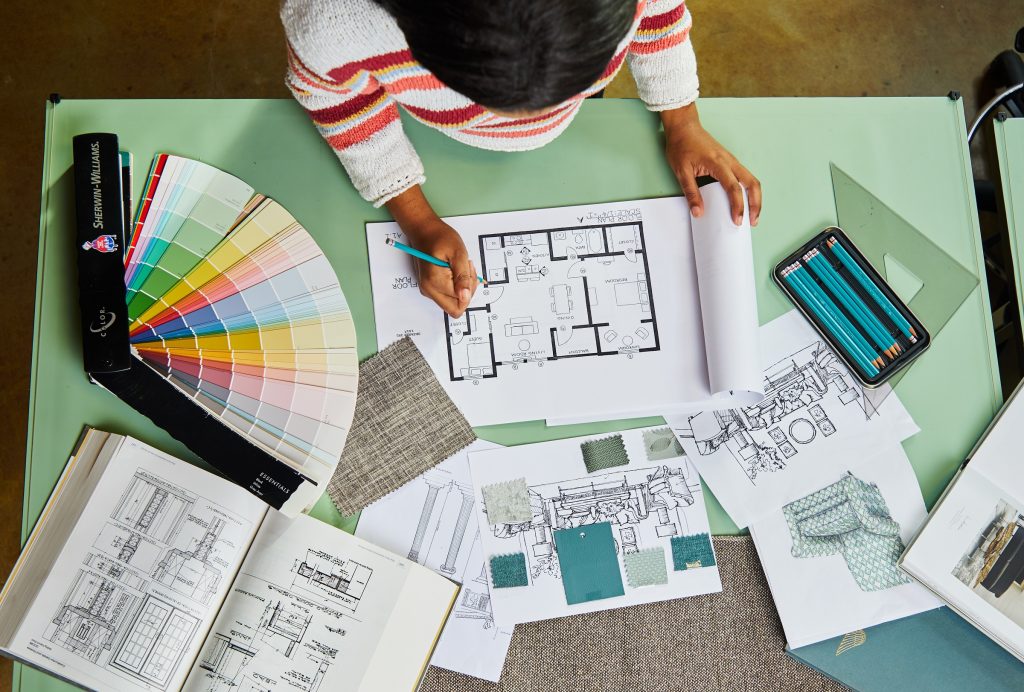
A well-designed interior space does more than look beautiful—it also influences how people feel, think, and function every day. Modern homeowners are increasingly focusing on interiors that promote relaxation, productivity, and emotional well-being. By combining thoughtful layouts, natural elements, and calming aesthetics, interior spaces can be transformed into environments that support both physical and mental health.
When exploring modern approaches to healthier living environments, many individuals research wellness interior design as a way to integrate comfort, sustainability, and mindful living into their homes. This design philosophy focuses on creating interiors that reduce stress, improve air quality, enhance natural light, and promote a balanced lifestyle.
Understanding the Concept of Wellness Interior Design
Wellness interior design is an approach that prioritizes human health and well-being through thoughtful design choices. Rather than focusing solely on visual appeal, this concept considers how the environment affects mood, productivity, and overall quality of life.
The goal is to create spaces that support relaxation, encourage healthy habits, and provide comfort. This often involves the use of natural materials, soothing color palettes, ergonomic furniture, and layouts that encourage natural light and airflow.
By focusing on these elements, wellness-centered interiors help create homes that feel peaceful, refreshing, and supportive of everyday life.
Why Wellness-Focused Spaces Are Becoming More Popular
In recent years, people have become more aware of how their surroundings influence their health. With more time spent indoors—whether working, studying, or relaxing—interior environments play a critical role in overall well-being.
Several factors have contributed to the rise of wellness-oriented interiors:
-
Growing awareness of mental health and stress management
-
Increased focus on work-from-home lifestyles
-
Desire for healthier indoor environments
-
Greater appreciation for nature-inspired living spaces
As a result, homeowners are prioritizing interiors that combine comfort, functionality, and emotional balance.
Key Principles of Wellness Interior Design
Designing a wellness-focused interior involves several important principles that help create a healthy and harmonious environment.
Natural Light and Open Spaces
Natural light plays a crucial role in supporting physical and emotional health. Sunlight helps regulate sleep cycles, improves mood, and enhances productivity.
Large windows, open layouts, and light-colored surfaces help maximize natural light throughout the home. When natural light flows freely through a space, it creates an uplifting and energizing atmosphere.
Air Quality and Ventilation
Indoor air quality significantly impacts health. Poor ventilation can lead to discomfort and reduced concentration.
Wellness-oriented interiors often include:
-
Improved ventilation systems
-
Indoor plants that help purify the air
-
Non-toxic paints and materials
-
Natural airflow through windows and open layouts
These features help maintain a fresh and healthy indoor environment.
Natural Materials and Textures
Using natural materials creates a strong connection between indoor spaces and the natural world. Materials such as wood, stone, cotton, and linen bring warmth and authenticity to interior spaces.
Natural textures also create a calming atmosphere and make rooms feel more inviting and comfortable.
Calming Color Palettes
Color influences mood and emotional well-being. Soft and neutral tones are often used in wellness-focused interiors because they promote relaxation and balance.
Common color choices include:
-
Soft whites and creams
-
Light earth tones
-
Gentle greens and blues
-
Warm neutral shades
These colors create a soothing environment that encourages rest and tranquility.
Designing Wellness Spaces in Different Areas of the Home
Each area of the home can benefit from wellness-focused design strategies.
Living Room
The living room is often the heart of the home. Comfortable seating, natural lighting, and clutter-free layouts create a relaxing space for socializing and unwinding.
Incorporating indoor plants, soft textiles, and natural materials can further enhance the calming atmosphere.
Bedroom
The bedroom should be a sanctuary for rest and relaxation. Wellness-focused bedrooms often feature:
-
Soft lighting that promotes restful sleep
-
Minimal clutter for a peaceful environment
-
Comfortable bedding made from natural fabrics
-
Neutral color schemes that support relaxation
Creating a calming bedroom environment helps improve sleep quality and overall well-being.
Kitchen and Dining Area
The kitchen is closely connected to healthy living. A well-organized kitchen with functional storage encourages better cooking habits and mindful eating.
Natural lighting, clean surfaces, and efficient layouts help create a welcoming and practical cooking space.
Home Office
With remote work becoming more common, a wellness-oriented home office is essential. Ergonomic furniture, proper lighting, and organized layouts help improve productivity and reduce physical strain.
Adding plants and natural elements can also make workspaces feel more refreshing and inspiring.
Bathroom
Bathrooms can be designed as spa-like retreats that promote relaxation. Soft lighting, natural stone materials, and calming colors can transform this space into a peaceful escape.
Simple additions such as plants, scented candles, or wooden accents can further enhance the atmosphere.
The Role of Biophilic Design
Biophilic design is an important element of wellness-focused interiors. This concept emphasizes the human connection to nature by integrating natural elements into indoor environments.
Examples of biophilic design include:
-
Indoor gardens or plant walls
-
Natural wood and stone materials
-
Water features
-
Large windows with outdoor views
These elements help create a calming environment while improving overall mental well-being.
Reducing Clutter for Mental Clarity
A cluttered environment can contribute to stress and distraction. Wellness interiors often emphasize minimalism and thoughtful organization.
Smart storage solutions, built-in cabinets, and multi-functional furniture help maintain a clean and organized living space.
When rooms feel open and uncluttered, they create a sense of calm and mental clarity.
Lighting Design for Well-Being
Lighting plays a significant role in wellness-focused interiors. Proper lighting design includes multiple layers that serve different purposes:
-
Ambient lighting: Provides overall illumination
-
Task lighting: Supports activities such as reading or cooking
-
Accent lighting: Highlights decorative features or architectural details
Warm lighting tones are often preferred because they create a relaxing atmosphere in the evening.
Sustainability and Eco-Friendly Materials
Sustainability is closely linked with wellness-focused design. Many homeowners choose environmentally friendly materials and energy-efficient solutions.
Examples include:
-
Energy-saving lighting systems
-
Recycled or sustainable materials
-
Low-emission paints and finishes
-
Water-efficient fixtures
These choices not only support environmental responsibility but also contribute to healthier indoor environments.
Creating a Personalized Wellness Environment
Every home and lifestyle is unique, so wellness interiors should reflect the personal preferences and habits of the occupants. Some people may prioritize quiet meditation spaces, while others may focus on creative work areas or fitness zones.
Designing spaces that align with personal routines ensures the home truly supports well-being.
Conclusion
Wellness interior design represents a thoughtful approach to creating living environments that nurture both body and mind. By focusing on natural light, healthy materials, calming colors, and functional layouts, homeowners can transform their spaces into peaceful and supportive environments.
As people continue to prioritize health and balance in their daily lives, wellness-focused interiors are becoming an essential part of modern home design. With careful planning and mindful choices, any home can become a place that promotes relaxation, comfort, and long-term well-being.
About Post Author




More Stories
15 Benefits of Partnering with a Professional Commercial Furniture Manufacturer
Why Global Buyers Prefer Experienced Meditation Seat Manufacturers
How to Compare Different Living Room Furniture Manufacturers