

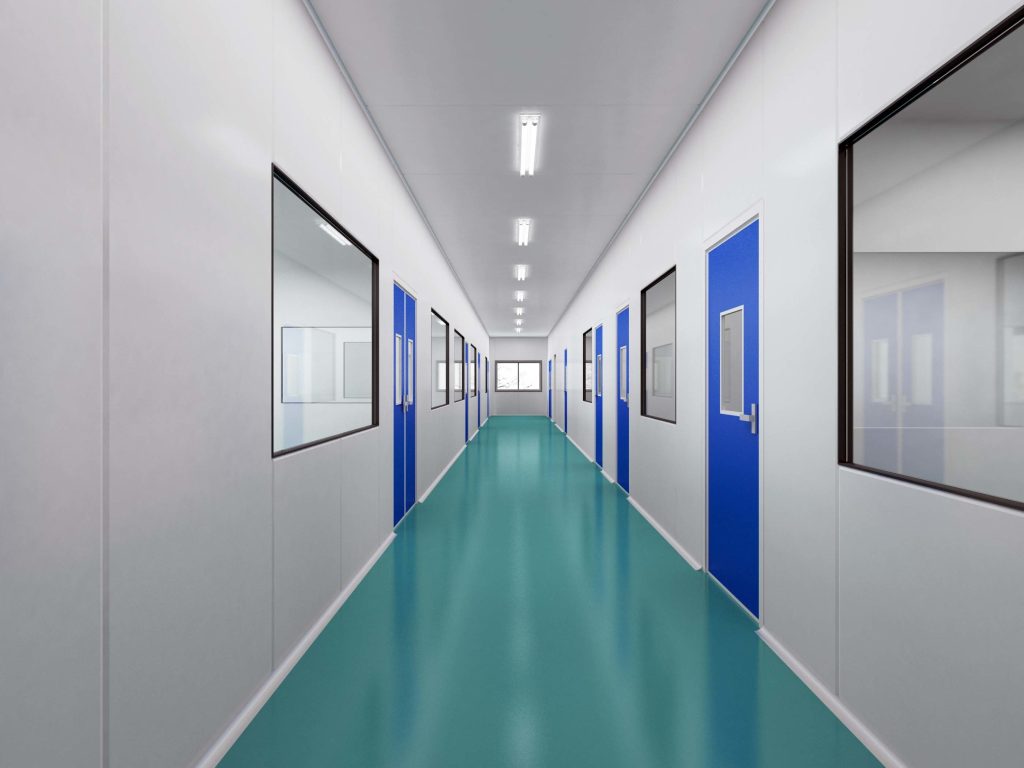
Cleanroom facilities are essential in industries where environmental control directly impacts product quality, safety, and regulatory compliance. From pharmaceuticals and biotechnology to semiconductors and medical device manufacturing, these controlled environments ensure that sensitive processes are protected from contamination and external interference.
Because cleanrooms involve complex engineering systems and strict regulatory requirements, their development must follow a structured and carefully managed process. Instead of coordinating multiple contractors for different phases, many organizations now prefer an integrated approach that simplifies execution and improves consistency.
A Turn-key Project for Clean Room provides a complete end-to-end solution where a single provider manages the entire lifecycle—from initial planning and design to construction, installation, validation, and final handover. Below is a step-by-step overview of how this process typically works.
Table of Contents
ToggleStep 1: Requirement Gathering and Feasibility Analysis
The first stage focuses on understanding the client’s operational needs and compliance requirements. This step lays the foundation for the entire project.
Key activities include:
- Defining cleanroom classification (ISO or GMP standards)
- Identifying production processes and equipment requirements
- Evaluating facility space and structural conditions
- Assessing regulatory and environmental constraints
This ensures that the project is aligned with both technical goals and industry regulations from the beginning.
Step 2: Concept Design and Layout Planning
Once requirements are defined, engineers develop the initial cleanroom concept and layout. This stage focuses on creating an efficient workflow and contamination-controlled environment.
Key design elements include:
- Cleanroom zoning and classification layout
- Airflow direction and pressure cascade planning
- Personnel and material flow paths
- Equipment placement and space optimization
The goal is to ensure operational efficiency while maintaining strict contamination control.
Step 3: Detailed Engineering and System Design
After concept approval, the project moves into detailed engineering. This phase translates design concepts into precise technical specifications for construction and system integration.
Engineering components typically include:
- HVAC system design and air filtration planning
- Temperature, humidity, and pressure control systems
- Electrical and utility system integration
- Selection of cleanroom-grade materials and components
Advanced modeling may also be used to simulate airflow and environmental performance before construction begins.
Step 4: Modular Fabrication and Manufacturing
A key advantage of turn-key cleanroom projects is modular construction. In this stage, cleanroom components are manufactured in controlled factory environments.
Common fabricated elements include:
- Wall and ceiling panel systems
- Cleanroom doors and windows
- Air handling and filtration units
- Structural support systems
Factory-controlled production ensures higher precision, better quality control, and reduced on-site installation errors.
Step 5: On-Site Installation and Assembly
Once components are delivered to the site, installation begins under expert supervision. This phase involves assembling the cleanroom structure and integrating all mechanical and electrical systems.
Key installation tasks include:
- Modular panel assembly and sealing
- HVAC ductwork and system installation
- Electrical wiring and utility connections
- Contamination control finishing work
Proper installation ensures that the cleanroom performs according to design specifications.
Step 6: System Commissioning and Performance Testing
After installation, all systems undergo commissioning to verify operational performance. This step ensures that environmental conditions meet required standards.
Testing procedures include:
- Airflow pattern validation
- HEPA/ULPA filtration efficiency testing
- Temperature and humidity control checks
- Pressure differential verification
This ensures that all systems function correctly and consistently.
Step 7: Validation and Regulatory Compliance
Validation is a critical step in ensuring that the cleanroom meets industry regulations and is ready for operational use. This is especially important in regulated industries such as pharmaceuticals and biotechnology.
Key validation activities include:
- Installation Qualification (IQ)
- Operational Qualification (OQ)
- Performance Qualification (PQ)
- Environmental and particle monitoring tests
Complete documentation is prepared to support regulatory audits and inspections.
Step 8: Final Handover and Documentation
Once validation is complete, the cleanroom is officially handed over to the client in a fully operational state. Comprehensive documentation is provided to support ongoing use and maintenance.
Deliverables include:
- System operation manuals
- Compliance and validation reports
- Maintenance guidelines
- Equipment specifications and certifications
This ensures smooth operation and long-term reliability.
Step 9: Maintenance and Lifecycle Support
Even after handover, ongoing maintenance is essential to ensure consistent performance and compliance. Cleanroom systems require regular monitoring and servicing.
Maintenance activities may include:
- HVAC system servicing and filter replacement
- Environmental monitoring and calibration
- Periodic compliance revalidation
- System performance optimization
This helps maintain long-term efficiency and regulatory compliance.
Conclusion
A Turn-key Project for Clean Room follows a structured, step-by-step process that transforms initial requirements into a fully functional controlled environment. Each stage—from planning and engineering to installation and validation—is carefully managed to ensure precision, efficiency, and compliance.
By integrating all phases under a single coordinated system, turnkey delivery simplifies complex cleanroom development and ensures reliable, high-quality outcomes for industries that depend on controlled manufacturing environments.



More Stories
BOPP Film Manufacturers for Pharmaceutical and Medical Packaging
Custom LED Neon Lights: Materials, Colors, and Style Variations
PETG Film vs PET Film: Key Differences and Performance Comparison