

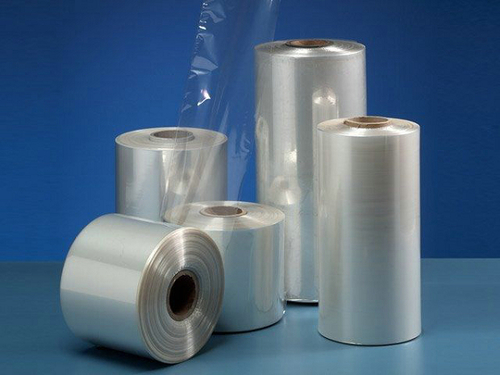
In the packaging, printing, and thermoforming industries, polyester-based materials are widely used because of their balance between clarity, strength, and cost efficiency. Two of the most commonly compared materials are PET and PETG, both derived from polyethylene terephthalate but modified to achieve different performance characteristics. While they share a similar base structure, their physical properties and processing behavior differ in important ways that directly impact their applications.
To understand why manufacturers choose one over the other, it is important to evaluate their optical quality, impact resistance, thermoforming behavior, and overall usability in industrial production. In many modern packaging solutions, material selection plays a crucial role in both performance and customer perception. For example, PETG film is often selected when clarity and formability need to be balanced with durability, making it a strong alternative to traditional PET in complex forming applications.
Table of Contents
ToggleUnderstanding PET Film and PETG Film
PET film is widely known for its strength, dimensional stability, and excellent barrier properties. It is commonly used in food packaging, electrical insulation, and laminated structures due to its rigidity and chemical resistance. PET, however, is more crystalline in nature, which gives it higher stiffness but limits its flexibility in thermoforming processes.
PETG film, on the other hand, is a glycol-modified version of PET. The addition of glycol reduces crystallization, resulting in a more amorphous structure. This modification improves clarity, impact resistance, and thermoformability while slightly reducing rigidity compared to standard PET.
Optical Clarity and Appearance
One of the most noticeable differences between PET and PETG is optical clarity. While both materials are transparent, PETG generally offers higher clarity and a glossier surface finish. This makes it more suitable for retail packaging and display applications where visual presentation is critical.
PET film maintains good clarity but may become slightly hazy depending on processing conditions or thickness. PETG’s amorphous structure allows it to remain consistently clear even after forming, which enhances product visibility and shelf appeal.
In applications such as cosmetic packaging, protective covers, and display cases, clarity can significantly influence consumer perception, giving PETG an advantage in visually driven industries.
Impact Resistance and Mechanical Strength
Mechanical performance is another key factor when comparing these two materials. PET film is known for its high tensile strength and excellent dimensional stability, making it suitable for flat applications and laminated structures that require rigidity.
However, PETG offers superior impact resistance. It is less brittle and can absorb shock more effectively without cracking. This makes it ideal for applications where the material may be exposed to handling stress, transportation impact, or repeated use.
Key differences include:
- PET: Higher rigidity, excellent tensile strength
- PETG: Higher toughness, better impact absorption
- PETG: Lower risk of cracking under stress
Because of this, PETG is often preferred for protective packaging and thermoformed containers.
Thermoforming Performance
Thermoformability is one of the most significant distinctions between PET and PETG. PET requires higher forming temperatures and more controlled processing conditions. It can crystallize during heating if not managed properly, which limits design flexibility.
PETG performs much better in thermoforming applications due to its lower forming temperature and reduced crystallization tendency. It heats more evenly and maintains transparency after shaping, allowing manufacturers to create complex geometries with minimal distortion.
This makes PETG more suitable for:
- Blister packaging
- Medical trays
- Custom molded containers
- Display packaging
Its processing efficiency also reduces energy consumption and cycle time in production.
Chemical Resistance and Stability
PET film offers excellent resistance to chemicals, oils, and moisture, making it ideal for barrier packaging and industrial insulation applications. Its stability under varying environmental conditions contributes to its long-term performance.
PETG also provides good chemical resistance, though slightly lower than PET in some aggressive environments. However, it compensates with better flexibility and reduced risk of stress cracking, especially in formed parts.
In general, PET is preferred for static, high-barrier applications, while PETG is chosen for dynamic, shaped, or impact-prone uses.
Application Suitability Across Industries
Both materials are widely used across multiple industries, but their ideal applications differ based on performance priorities.
PET film is commonly used in:
- Food packaging laminates
- Electrical insulation
- Industrial tapes and films
- Barrier packaging layers
PETG film is preferred in:
- Retail packaging and display cases
- Medical and healthcare packaging
- Thermoformed trays and containers
- Protective covers and housings
The choice ultimately depends on whether rigidity and barrier performance or clarity and formability are more important.
Conclusion
PET and PETG films are both valuable materials in modern manufacturing, but they serve different purposes based on their structural and processing differences. PET excels in strength, stability, and barrier performance, making it suitable for flat and rigid applications. PETG, however, offers superior clarity, impact resistance, and thermoforming capability, making it ideal for shaped and visually demanding applications.
As industries continue to demand more efficient and versatile packaging solutions, PETG stands out as a material that bridges performance and design flexibility, while PET remains essential for high-strength and barrier-focused applications.

More Stories
Wudu Basin Installation: Important Measurements and Plumbing Considerations
Enjoy Smooth, Creamy Coffee Creations with an Efficient Electric Milk Frother
China B87 Air Pick: Specifications, Heavy-Duty Applications, and Performance Advantages