

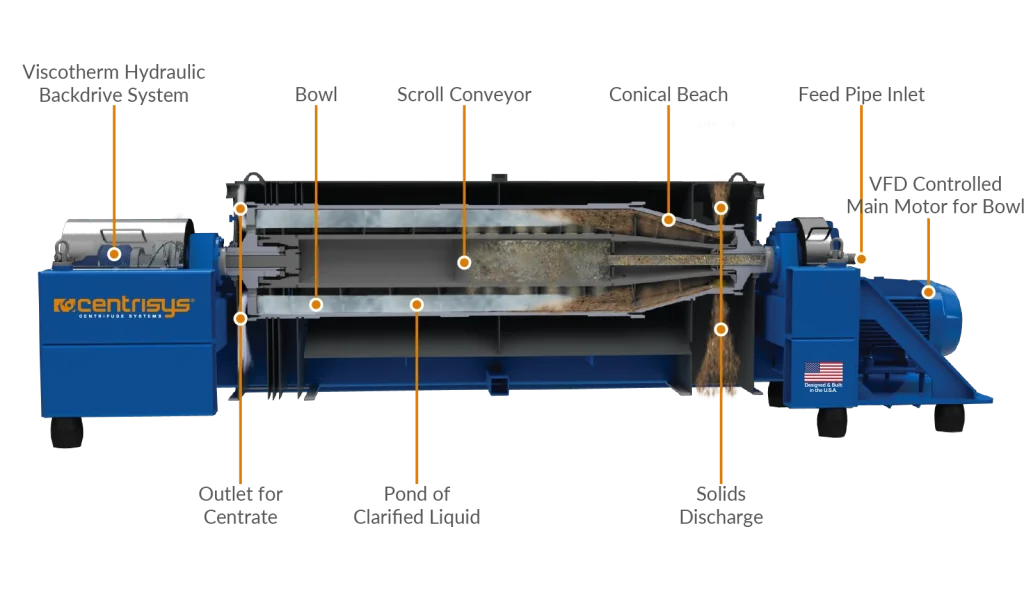
Choosing the right centrifuge machine manufacturer is an important decision for businesses that depend on efficient separation processes. Whether your industry involves wastewater treatment, food processing, pharmaceuticals, chemical manufacturing, mining, or oil and gas, the quality of your equipment can directly impact productivity, maintenance costs, and operational reliability. Asking the right questions before making a purchase helps ensure you select a manufacturer that meets your technical and business requirements.
Before partnering with a Centrifuge Machine Manufacturer, it is essential to evaluate more than just product specifications and pricing. Understanding the manufacturer’s experience, production standards, technical capabilities, and customer support can help you make a well-informed investment that delivers long-term value.
Table of Contents
ToggleHow Much Industry Experience Do You Have?
Experience is often a strong indicator of a manufacturer’s ability to produce reliable equipment and solve industry-specific challenges.
Ask whether the manufacturer has supplied centrifuge machines for industries such as:
- Wastewater treatment
- Food and beverage processing
- Chemical manufacturing
- Pharmaceutical production
- Mining and mineral processing
- Oil and gas operations
Manufacturers with broad industry experience are often better equipped to recommend suitable solutions for different applications.
What Quality Standards Do You Follow?
Reliable manufacturers implement strict quality control procedures throughout the production process.
Ask about:
- Quality management systems
- Manufacturing certifications
- Inspection procedures
- Product testing methods
- Material traceability
A structured quality system helps ensure consistent product performance and reliability.
Can You Customize the Equipment?
Industrial processes often have unique operating requirements that standard equipment may not fully address.
Discuss whether the manufacturer can customize:
- Processing capacity
- Machine dimensions
- Material selection
- Control systems
- Automation features
- Installation configurations
Customized solutions can improve efficiency and better match your production needs.
What Materials Are Used in Manufacturing?
The durability and performance of centrifuge machines depend greatly on the quality of their materials.
Request information about:
- Stainless steel grades
- Wear-resistant components
- Corrosion-resistant materials
- Bearing quality
- Seal construction
High-quality materials contribute to longer equipment life and reduced maintenance.
How Is Product Quality Verified?
Manufacturers should have comprehensive testing procedures before equipment leaves the factory.
Ask whether they perform:
- Dynamic balancing
- Vibration testing
- Speed verification
- Mechanical inspections
- Performance testing
- Safety checks
Thorough testing helps ensure the equipment operates reliably under real production conditions.
What Certifications Does the Manufacturer Hold?
International certifications demonstrate a commitment to recognized manufacturing and quality standards.
Common certifications include:
- ISO 9001
- ISO 14001
- ISO 45001
- CE compliance where applicable
Request copies of certification documents if needed to verify compliance.
What After-Sales Support Is Available?
Long-term support is essential for maintaining equipment performance throughout its service life.
Ask whether the manufacturer provides:
- Installation assistance
- Operator training
- Preventive maintenance guidance
- Spare parts supply
- Technical troubleshooting
- Service response times
Reliable support helps minimize downtime and improve operational efficiency.
Can You Provide Customer References?
Customer references offer valuable insight into a manufacturer’s reputation and product performance.
Consider requesting:
- Case studies
- Customer testimonials
- Industry references
- Long-term project examples
Speaking with existing customers can provide practical information about equipment reliability and customer service.
What Is the Expected Delivery Timeline?
Production schedules vary depending on machine specifications and customization requirements.
Clarify details such as:
- Manufacturing lead time
- Shipping schedule
- Installation planning
- Spare parts availability
- Future equipment expansion options
Clear communication helps businesses plan production schedules more effectively.
What Is the Total Cost of Ownership?
The purchase price is only one part of the overall investment.
Ask about long-term considerations, including:
- Energy efficiency
- Maintenance requirements
- Spare parts costs
- Equipment lifespan
- Operating expenses
Evaluating total ownership costs provides a more accurate comparison between manufacturers.
Conclusion
Selecting the right centrifuge machine manufacturer requires careful evaluation of experience, product quality, certifications, manufacturing processes, customization capabilities, and customer support. Asking detailed questions before making a purchasing decision helps businesses identify manufacturers that can deliver reliable equipment and long-term value.
By taking the time to assess both technical capabilities and service quality, organizations can build strong partnerships with manufacturers that support efficient operations, lower maintenance costs, and dependable performance for years to come.

More Stories
Wudu Basin Installation: Important Measurements and Plumbing Considerations
Enjoy Smooth, Creamy Coffee Creations with an Efficient Electric Milk Frother
China B87 Air Pick: Specifications, Heavy-Duty Applications, and Performance Advantages