

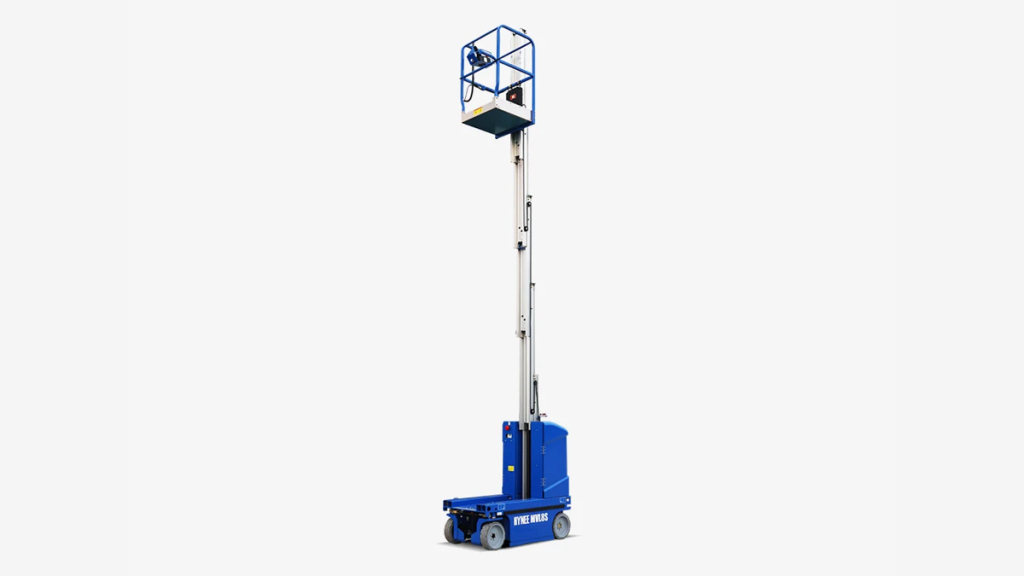
Investing in a vertical mast lift is a decision that can influence your business for many years. Whether you’re managing a warehouse, maintaining commercial buildings, or operating a manufacturing facility, the quality of your equipment directly affects productivity, safety, and operating costs. That’s why choosing the right supplier deserves careful attention.
Before signing a purchase agreement, it’s important to ask the right questions. A professional vertical mast lifts manufacturer should be able to explain their products, manufacturing standards, customer support, and long-term service with confidence. The answers you receive will help you identify a manufacturer that offers not only quality equipment but also dependable support throughout the machine’s lifespan.
Why Asking Questions Is So Important
Many buyers focus primarily on product specifications such as platform height, lifting capacity, or price. While these details are important, they don’t tell the whole story.
The manufacturer behind the equipment determines factors like:
- Product reliability
- Engineering quality
- Safety standards
- Spare parts availability
- Warranty service
- Technical support
- Long-term maintenance costs
Asking thoughtful questions before making a purchase can prevent expensive problems later.
1. How Long Have You Been Manufacturing Vertical Mast Lifts?
Experience is often a strong indicator of product quality.
Manufacturers with years of experience have usually refined their engineering, improved production processes, and gained valuable insight from real-world customer feedback.
Ask about:
- Years in business
- Experience with aerial work platforms
- Industries they serve
- Product development history
A manufacturer with a proven track record often provides greater confidence than one with limited industry experience.
2. What Industries Use Your Equipment?
Different industries have different operating requirements.
For example:
- Warehouses require compact equipment for narrow aisles.
- Hotels prioritize quiet operation.
- Manufacturing plants often need extended battery life.
- Construction projects may require higher platform capacities.
A manufacturer that serves multiple industries is more likely to understand a variety of workplace challenges and recommend the right solution.
3. What Safety Features Are Included?
Safety should always be one of your first priorities.
Ask which safety systems come standard rather than assuming every model includes the same features.
Look for equipment with:
- Emergency stop controls
- Platform overload protection
- Tilt sensors
- Automatic braking
- Emergency lowering systems
- Secure guardrails
- Non-slip platforms
A manufacturer committed to safety will clearly explain how these systems protect operators.
4. How Is Product Quality Controlled?
Quality doesn’t happen by accident.
Ask manufacturers about their production and inspection procedures.
Questions may include:
- How are materials inspected?
- What testing is performed during production?
- Is every machine tested before shipment?
- How are hydraulic and electrical systems evaluated?
Well-established quality control procedures help ensure consistent product performance.
5. What Warranty Is Included?
Warranty coverage reflects a manufacturer’s confidence in its products.
Request clear information about:
- Warranty duration
- Covered components
- Exclusions
- Claim procedures
- Repair responsibilities
Avoid relying on verbal promises. Make sure warranty terms are documented.
6. How Quickly Are Spare Parts Available?
Even reliable equipment eventually requires replacement components.
Ask questions such as:
- Are spare parts stocked locally?
- How quickly are orders processed?
- Will parts remain available for older models?
- Are genuine replacement components supplied?
Fast parts availability reduces downtime and helps keep operations running smoothly.
7. What Type of Technical Support Do You Provide?
Customer support becomes especially important after delivery.
Reliable manufacturers should provide:
- Technical assistance
- Troubleshooting guidance
- Maintenance recommendations
- Product documentation
- Warranty support
Ask how customers contact technical teams and what response times you can expect.
8. Can You Provide Customer References?
Speaking with existing customers provides valuable insight.
References can help you understand:
- Equipment reliability
- Service quality
- Communication
- Warranty experience
- Long-term satisfaction
Manufacturers with strong customer relationships are often happy to share references or case studies.
9. How Often Are Your Products Updated?
Technology continues to improve throughout the access equipment industry.
Ask about recent improvements such as:
- Better battery performance
- Enhanced safety systems
- Improved operator controls
- More efficient electric drive systems
- Easier maintenance access
Manufacturers that regularly improve their products often provide better long-term value.
10. What Maintenance Is Required?
Understanding maintenance requirements helps businesses estimate future operating costs.
Ask:
- How often should inspections be performed?
- Are maintenance schedules provided?
- Which components require regular servicing?
- Is preventive maintenance recommended?
Equipment designed for simple maintenance often remains operational longer.
11. Do You Offer Operator Training Resources?
Proper operator training improves both safety and equipment longevity.
Many manufacturers provide:
- Operator manuals
- Safety guides
- Maintenance documentation
- Training materials
- Inspection checklists
These resources help employees use equipment correctly from the beginning.
12. What Testing Is Completed Before Delivery?
Every machine should undergo testing before reaching the customer.
Ask manufacturers about procedures such as:
- Load testing
- Stability testing
- Hydraulic inspections
- Electrical system checks
- Safety function verification
- Operational testing
Comprehensive testing helps ensure reliable performance in the field.
13. What Is the Expected Equipment Lifespan?
Although actual service life depends on maintenance and operating conditions, experienced manufacturers can often provide general expectations.
This information helps buyers estimate:
- Long-term value
- Replacement planning
- Total ownership costs
Long-lasting equipment often delivers a better return on investment.
14. Can the Equipment Be Customized?
Some businesses have unique operational requirements.
Ask whether the manufacturer offers options such as:
- Different platform configurations
- Power system variations
- Additional safety accessories
- Industry-specific modifications
Customization may improve efficiency for specialized applications.
15. How Do You Handle International Customers?
If you’re purchasing equipment from another country, ask about:
- Shipping procedures
- Export documentation
- Delivery timelines
- Technical support
- Spare parts distribution
Experienced manufacturers usually have systems in place to support international buyers.
Mini Case Study: Asking the Right Questions Pays Off
A warehouse operator planned to purchase several vertical mast lifts for facility maintenance.
Instead of selecting the first supplier, the purchasing team interviewed three manufacturers.
During the discussions, they compared:
- Safety features
- Warranty terms
- Spare parts availability
- Product testing procedures
- Technical support
Although one manufacturer offered the lowest price, another provided stronger warranty coverage, faster parts delivery, and more responsive customer support.
The company selected the second supplier and experienced fewer maintenance issues during the following years, resulting in lower operating costs and improved equipment availability.
The extra time spent asking detailed questions led to a better long-term investment.
Create Your Own Evaluation Checklist
When comparing manufacturers, consider using a checklist that includes:
- Industry experience
- Product quality
- Safety systems
- Manufacturing standards
- Warranty coverage
- Customer support
- Spare parts availability
- Product innovation
- Maintenance requirements
- Customer reviews
Scoring each manufacturer using the same criteria makes comparisons much easier.
Warning Signs to Watch For
Be cautious if a manufacturer:
- Avoids answering technical questions
- Provides unclear warranty information
- Has limited customer reviews
- Cannot explain quality control procedures
- Offers poor communication
- Has difficulty supplying spare parts
These warning signs may indicate future ownership challenges.
Final Thoughts
Hiring the right vertical mast lifts manufacturer involves much more than comparing prices or reviewing product specifications. Asking detailed questions about engineering, safety, manufacturing quality, customer support, spare parts availability, warranty coverage, and long-term service helps you identify a manufacturer that will support your business well beyond the initial purchase.
Take the time to evaluate multiple manufacturers, compare their answers, and focus on the complete ownership experience rather than upfront cost alone. A reliable manufacturer will provide quality equipment, dependable technical support, and ongoing service that helps your business improve safety, reduce downtime, and maximize the value of your investment for many years.
About Post Author

More Stories
Wudu Basin Installation: Important Measurements and Plumbing Considerations
Enjoy Smooth, Creamy Coffee Creations with an Efficient Electric Milk Frother
China B87 Air Pick: Specifications, Heavy-Duty Applications, and Performance Advantages