

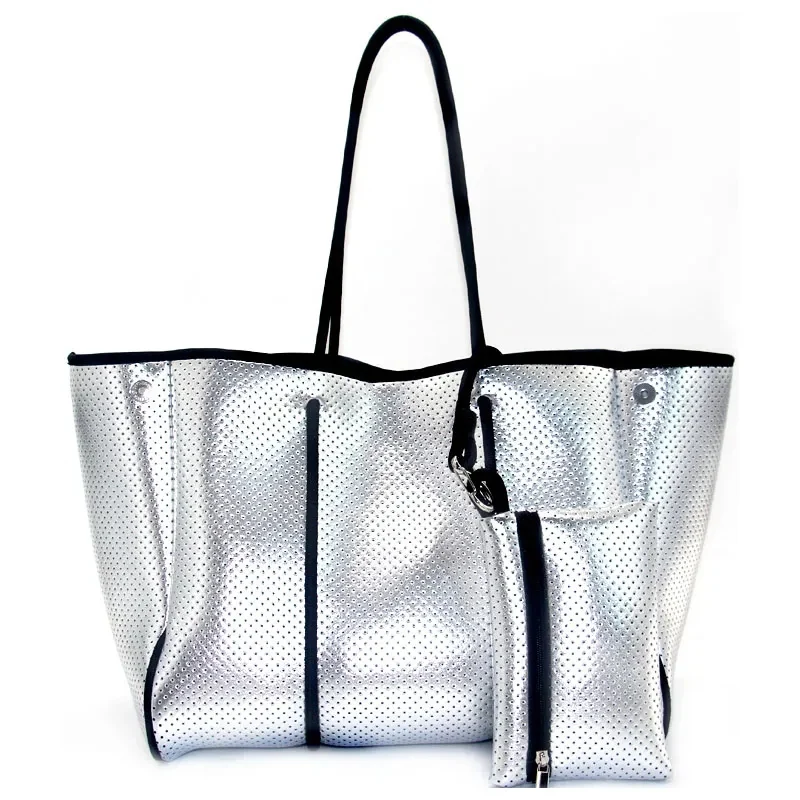
Beach trips are enjoyable, but they can leave bags covered with sand, salt residue, sunscreen, and moisture. Over time, these substances may affect a bag’s appearance and create unpleasant odors if they are not removed properly. Regular cleaning and suitable storage practices can help keep beach accessories in good condition.
A Neoprene Beach Bag is a practical choice for outdoor activities because its synthetic rubber material is flexible, cushioned, and resistant to moisture. However, it still requires proper care after repeated exposure to beach conditions. Following a simple maintenance routine can help preserve its appearance, cleanliness, and usability.
Why Regular Cleaning Is Important
A beach bag often carries several items that can leave dirt and residue behind. Wet swimwear, sandy towels, sunscreen containers, and snacks may contribute to stains or unpleasant smells when stored together.
Regular cleaning helps prevent dirt from accumulating on the material and keeps the interior more hygienic. It also provides an opportunity to check for minor problems, such as loose stitching, damaged handles, or worn closures.
Cleaning the bag after each beach trip does not necessarily require a complicated process. A few simple steps can make routine maintenance easier.
Step 1: Empty the Bag Completely
Start by removing everything from the main compartment and any additional pockets. Check smaller sections carefully because sand, wrappers, and other debris can become trapped in corners.
Remove detachable pouches, straps, or accessories if the design allows it. Clean these components separately according to their material and the manufacturer’s care instructions.
Keeping the bag empty makes it easier to reach every surface and prevents personal belongings from becoming wet during cleaning.
Step 2: Remove Loose Sand and Dirt
Sand is one of the most common substances found inside beach bags. If left in the material or compartments, it can create friction and make the bag feel dirty.
Turn the bag upside down and gently shake out loose sand. Use a soft brush or dry cloth to remove particles from corners, seams, and pockets.
Avoid using sharp objects or rough tools to remove stubborn debris because they may damage the neoprene surface or stitching.
Step 3: Wipe the Exterior Surface
Once loose dirt has been removed, clean the outside of the bag with a soft, damp cloth.
Use clean water and gentle wiping movements to remove surface dust, salt residue, and minor stains. Avoid scrubbing aggressively, particularly around seams and printed designs.
If the bag has visible sunscreen marks or other stubborn residue, a small amount of mild soap diluted in water may help. Always check the manufacturer’s instructions and test the cleaning solution on a small, inconspicuous area first.
Step 4: Clean the Interior Compartments
The inside of a beach bag may collect sand, sunscreen, food crumbs, and moisture from wet belongings. Cleaning these areas is important for maintaining freshness.
Use a damp cloth to wipe the main compartment, side pockets, and other accessible sections. Pay attention to corners and seams where dirt can accumulate.
If the bag has a removable lining or pouch, check whether it can be cleaned separately. Do not assume that every neoprene bag is suitable for machine washing or soaking.
Step 5: Deal With Saltwater and Sunscreen Residue
Saltwater and sunscreen can leave marks on bag surfaces, especially after repeated beach visits.
If the bag has been exposed to seawater, wipe the affected areas with a clean cloth dampened with fresh water. This helps remove surface salt residue before it dries.
For sunscreen stains, use mild soap only when permitted by the manufacturer’s care instructions. Avoid strong solvents, bleach, and abrasive cleaning products, as they may affect the material, color, or surface finish.
Step 6: Dry the Bag Thoroughly
Proper drying is one of the most important parts of neoprene bag maintenance. Even though neoprene resists moisture, water can remain inside pockets, seams, and folded sections.
After cleaning:
- Remove excess water with a soft, dry towel.
- Open all compartments and pockets.
- Place the bag in a well-ventilated area.
- Allow the interior and exterior to dry completely.
- Check seams and corners before putting the bag away.
Avoid placing the bag near heaters or using excessive heat to speed up drying. Prolonged direct sunlight may also affect some colors and finishes.
Step 7: Inspect Handles, Seams, and Closures
Cleaning provides a good opportunity to examine the bag’s construction. Frequent carrying and exposure to outdoor conditions can gradually affect handles, stitching, and accessories.
Check these areas regularly:
- Handles: Look for loose threads, stretching, or damaged attachment points.
- Side seams: Examine stitching for gaps or separation.
- Bottom panel: Check for wear caused by placing the bag on rough surfaces.
- Zippers: Remove trapped sand and check that the slider moves smoothly.
- Pockets: Inspect their edges and attachment points for signs of damage.
Addressing small problems early may help prevent more serious damage during future use.
Step 8: Remove Unpleasant Odors
Odors can develop when wet towels, swimwear, or other damp belongings remain inside a bag for extended periods.
The best first step is to remove all damp items and clean the affected areas. Then leave the bag open in a well-ventilated location until it is completely dry.
Avoid covering the odor with strong fragrances or using harsh deodorizing chemicals. These products may leave residues or affect the material. If an odor persists, follow the manufacturer’s recommended cleaning procedure.
Step 9: Store the Bag Properly
Once the bag is completely clean and dry, store it in a suitable location.
Choose a cool, dry area away from excessive heat and prolonged direct sunlight. Keep the bag away from sharp objects that could puncture or scratch the neoprene.
If the design is flexible, it may be possible to fold or compress it gently. However, avoid creating sharp folds that could leave permanent creases or affect its shape.
For structured bags, keeping them upright or loosely filled with clean material may help maintain their form.
Common Cleaning Mistakes to Avoid
Incorrect cleaning methods can affect the appearance and performance of neoprene. Avoid these common mistakes:
| Cleaning Mistake | Why to Avoid It |
|---|---|
| Using bleach | May damage or discolor the material |
| Scrubbing with rough brushes | Can affect the surface and stitching |
| Using strong solvents | May cause material deterioration |
| Storing the bag while damp | Can contribute to unpleasant odors |
| Applying excessive heat | May affect the material or construction |
| Machine washing without approval | Can damage seams, accessories, or shape |
| Leaving sand inside | Allows dirt to accumulate between uses |
Always follow the care label or manufacturer’s recommendations when they differ from general cleaning guidance.
How Often Should You Clean a Neoprene Beach Bag?
Cleaning frequency depends on how often the bag is used and the conditions it encounters.
For regular beach visitors, a quick cleaning after each trip is a practical habit. Remove sand, empty the compartments, and wipe away visible dirt. A more thorough cleaning may be necessary when the bag has been exposed to saltwater, sunscreen spills, food residue, or wet clothing.
For occasional users, inspect the bag before storing it for an extended period. Make sure there is no trapped moisture or debris inside.
Regular light maintenance is generally easier than waiting until dirt and odors become difficult to remove.
A Simple After-Beach Maintenance Checklist
Use this checklist after each outing to keep your bag in good condition:
-
Remove all personal belongings.
-
Empty loose sand and debris.
-
Wipe the exterior with a soft, damp cloth.
-
Clean the interior compartments.
-
Remove saltwater and sunscreen residue.
-
Check handles, seams, and zippers.
-
Allow the bag to dry completely.
-
Store it in a cool, dry place.
Following these steps can help make bag maintenance a regular part of your post-beach routine.
Conclusion
Cleaning and maintaining a neoprene beach bag after beach trips helps preserve its appearance and keep it ready for future use. Removing sand, wiping away saltwater and sunscreen residue, cleaning the compartments, and allowing the bag to dry completely are essential care practices.
It is equally important to avoid harsh chemicals, excessive heat, and unsuitable washing methods. With regular cleaning and proper storage, a well-constructed neoprene bag can remain a convenient accessory for beach visits, swimming, shopping, and other everyday activities.
About Post Author




More Stories
U Type Sheet Pile: Features, Benefits, and Applications in Foundation Projects
How to Choose Pool Finishes and Colors for a Custom Swimming Pool
A Guide to Designing Custom Animatronic Spinosaurus Models