

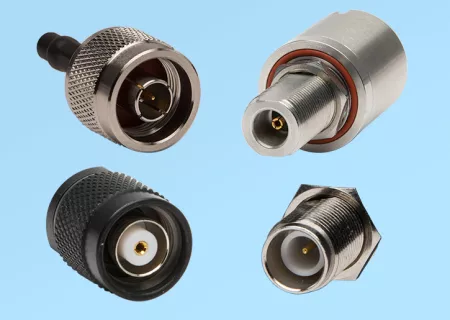
Selecting the right RF connector is essential for maintaining reliable signal transmission and ensuring the long-term performance of any radio frequency system. Whether you’re designing communication equipment, testing electronic devices, or building industrial systems, the connector you choose directly affects signal quality, durability, and overall efficiency.
Every application has unique technical requirements, so understanding the different connector types and their specifications is the first step toward making an informed decision. A well-selected rf connector helps reduce signal loss, maintains proper impedance, and provides dependable performance across various operating environments.
Table of Contents
ToggleUnderstand Your Frequency Requirements
One of the first factors to consider is the operating frequency of your system. RF connectors are designed to support different frequency ranges, and using an unsuitable connector may result in increased signal attenuation and poor performance.
For example:
- Low-frequency applications may use BNC connectors.
- Medium- to high-frequency systems often require SMA connectors.
- High-power outdoor installations frequently rely on N-Type connectors.
Matching the connector to the intended frequency range helps maintain signal integrity.
Choose the Correct Impedance
Most RF systems operate with either 50-ohm or 75-ohm impedance. Selecting the correct impedance is critical because mismatched components can create signal reflections, reduce efficiency, and negatively affect overall system performance.
Generally:
- 50-ohm connectors are common in wireless communications, industrial equipment, and test instruments.
- 75-ohm connectors are widely used in television broadcasting and video distribution systems.
Always ensure that the connector, cable, and connected equipment share the same impedance rating.
Consider the Operating Environment
Environmental conditions play an important role in connector selection. Applications exposed to moisture, dust, vibration, or extreme temperatures require connectors built for harsh conditions.
Look for features such as:
- Corrosion-resistant materials
- Weatherproof sealing
- Durable threaded coupling
- High mechanical strength
Outdoor communication systems and industrial facilities often demand rugged connectors that can withstand continuous environmental stress.
Select the Appropriate Connector Type
Different RF connector designs offer unique advantages depending on the application.
SMA Connectors
SMA connectors are compact and support high-frequency operation, making them ideal for wireless devices, antennas, GPS equipment, and laboratory testing.
BNC Connectors
BNC connectors feature a quick bayonet locking mechanism that allows fast installation and removal. They are commonly used in testing equipment and video applications.
N-Type Connectors
Known for their durability and excellent weather resistance, N-Type connectors are widely used in telecommunications infrastructure, base stations, and outdoor antennas.
TNC Connectors
TNC connectors provide threaded coupling for improved resistance to vibration, making them suitable for mobile communication and military applications.
Evaluate Power Handling Requirements
Not all RF connectors are designed to carry the same amount of power. High-power transmitters require connectors that can safely handle greater electrical loads without overheating or affecting signal quality.
Review the connector’s specifications carefully to ensure it meets your application’s power requirements.
Verify Cable Compatibility
RF connectors are designed for specific coaxial cable sizes and constructions. Using an incompatible connector may result in poor mechanical fit, increased insertion loss, or unreliable performance.
Before purchasing, verify:
- Cable diameter
- Center conductor size
- Shielding type
- Connector termination method
Proper compatibility simplifies installation and improves long-term reliability.
Consider Installation and Maintenance
Ease of installation can significantly reduce assembly time and maintenance costs.
Common termination methods include:
- Crimp connectors
- Clamp connectors
- Solder connectors
- Compression connectors
Choose a style that matches your available tools, technical expertise, and maintenance requirements.
Think About Future Expansion
If your system may be upgraded in the future, selecting standardized RF connectors can simplify maintenance and equipment replacement. Widely adopted connector types also make sourcing compatible components easier over the lifetime of the system.
Planning ahead helps reduce future redesign costs and minimizes downtime during upgrades.
Common Mistakes to Avoid
When choosing an RF connector, avoid these common errors:
- Selecting the wrong impedance
- Ignoring frequency limitations
- Using connectors incompatible with the cable
- Choosing indoor connectors for outdoor use
- Overlooking environmental protection requirements
- Prioritizing cost over technical specifications
Avoiding these mistakes can significantly improve system reliability and signal performance.
Conclusion
Choosing the right RF connector involves more than simply matching physical dimensions. Factors such as frequency range, impedance, environmental conditions, power handling, cable compatibility, and installation requirements all influence connector performance. By carefully evaluating these considerations, you can select an RF connector that delivers reliable signal transmission, minimizes losses, and supports the long-term efficiency of your communication or electronic system.




More Stories
Wudu Basin Installation: Important Measurements and Plumbing Considerations
Enjoy Smooth, Creamy Coffee Creations with an Efficient Electric Milk Frother
China B87 Air Pick: Specifications, Heavy-Duty Applications, and Performance Advantages