

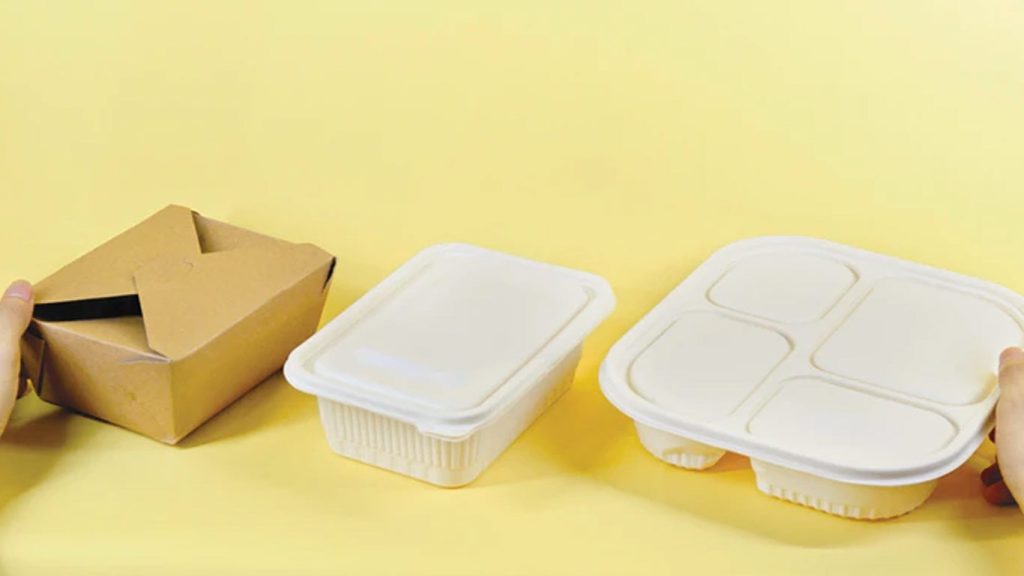
In the food industry, packaging is more than a means to contain food—it protects meals, maintains freshness, ensures hygiene, and reinforces a brand’s image. Choosing a reliable food packaging box supplier is crucial for businesses that want to maintain high operational standards and deliver a consistent experience to customers. Evaluating the quality standards of a supplier ensures that the packaging meets food safety regulations, durability requirements, and branding expectations.
Partnering with a trusted food packaging box supplier allows businesses to access packaging that aligns with industry standards and operational needs. Suppliers with high-quality benchmarks provide materials, designs, and production processes that guarantee safety, durability, and aesthetic appeal. Understanding the criteria for evaluating a supplier’s quality standards helps businesses make informed decisions and maintain consistent packaging performance.
Table of Contents
ToggleMaterial Quality and Food Safety
The first factor to consider when evaluating a supplier is the quality of materials used. High-quality packaging materials must be food-grade, non-toxic, and compliant with safety regulations. Common materials include cardboard, paperboard, molded fiber, bagasse, and biodegradable plastics. The choice of material affects durability, insulation, and suitability for different food types.
A reputable supplier provides certifications or documentation proving that their materials meet national and international food safety standards. Evaluating samples from potential suppliers allows businesses to check for strength, leak resistance, and suitability for hot, cold, or oily foods. Material quality is fundamental to protecting food during storage and transport while ensuring customer safety.
Manufacturing Processes and Hygiene Standards
Even the best materials can fail if the manufacturing process is substandard. A quality food packaging box supplier maintains strict hygiene protocols, including clean production environments, sanitized equipment, and proper handling of raw materials. Adherence to Good Manufacturing Practices (GMP) ensures that packaging is free from contaminants and safe for food contact.
Suppliers should also have quality control measures in place, such as batch inspections, dimensional verification, and leak tests. Evaluating the supplier’s production process gives businesses confidence that packaging meets consistent quality and safety standards.
Durability and Functional Testing
Durability is a key aspect of packaging quality, particularly for takeaway and delivery services. Suppliers should conduct functional testing to ensure that boxes can withstand stacking, transportation, and handling without deformation or leaks. Features like reinforced seams, leak-proof coatings, and structural stability enhance the overall performance of packaging.
Businesses should request testing data or perform their own assessments to verify the durability of the supplier’s packaging. Reliable packaging reduces food wastage, protects brand reputation, and improves customer satisfaction by ensuring meals arrive intact.
Customization and Design Accuracy
High-quality suppliers offer consistent customization options that meet brand and operational requirements. This includes accurate printing of logos, color schemes, promotional messages, and QR codes. Printing should be durable, clear, and consistent across large-volume orders, maintaining professional aesthetics and brand integrity.
Evaluating a supplier’s ability to deliver precise customization is essential for businesses looking to reinforce their brand identity. Suppliers who provide design proofs, prototypes, and controlled printing processes demonstrate commitment to quality and consistency.
Compliance with Regulations
Suppliers must adhere to relevant food safety and packaging regulations. Certifications such as ISO 22000, FSC, FDA compliance, and other local food contact standards indicate that the supplier meets recognized quality benchmarks. Regulatory compliance ensures that the packaging is safe, legal, and reduces potential liability for food businesses.
When evaluating a supplier, businesses should verify certifications and review documentation for adherence to regulatory requirements. Compliance provides confidence that the packaging aligns with legal and industry standards.
Sustainability and Eco-Friendly Practices
Sustainability is increasingly an indicator of quality for modern food businesses. Eco-friendly packaging options such as biodegradable, compostable, or recyclable materials must still meet functional and durability standards. Suppliers committed to sustainable practices ensure that environmentally responsible packaging does not compromise food safety or quality.
Evaluating a supplier’s sustainable offerings includes checking material sourcing, production processes, and certifications that support eco-friendly claims. Combining sustainability with quality ensures long-term operational and reputational benefits.
Supplier Support and Accountability
A quality supplier provides support beyond product delivery. This includes consultation on material selection, design optimization, and guidance on handling and storage. Suppliers who are responsive, transparent, and accountable contribute to long-term partnerships and consistent packaging performance.
Businesses should assess supplier reliability, responsiveness, and willingness to provide technical support. Strong supplier relationships enhance operational efficiency and ensure that packaging consistently meets quality expectations.
Conclusion
Evaluating the quality standards of a food packaging box supplier involves assessing material quality, manufacturing processes, durability, customization capabilities, regulatory compliance, sustainability, and supplier support. Partnering with a reputable supplier ensures access to safe, durable, and visually appealing packaging that meets operational and branding needs. By carefully examining these factors, businesses can secure packaging solutions that protect food, enhance customer satisfaction, and support long-term success in the competitive food industry.




More Stories
HEMA and TPO Free Gel Polish: Performance Factors and Application Tips
Factors to Consider Before Ordering Wholesale Gel Nail Polish in Bulk
BOPP Film Manufacturers for Pharmaceutical and Medical Packaging