

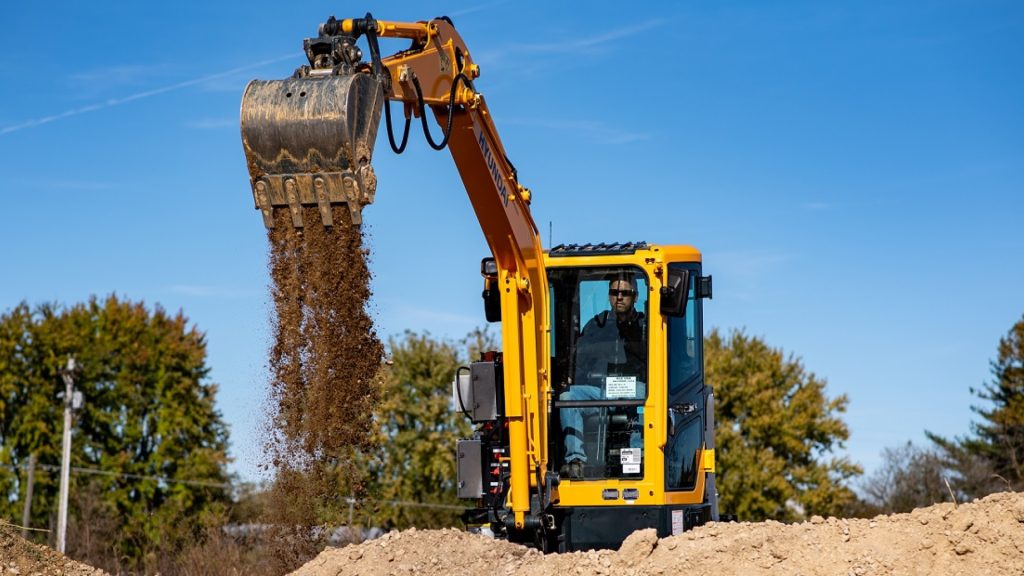
Electric mini excavators are becoming increasingly popular in modern construction due to their efficiency, reduced emissions, and simplified operation. As more contractors compare equipment options, maintenance requirements have become a key factor in choosing between electric and traditional diesel-powered machines.
When evaluating an electric mini excavator, understanding how its maintenance needs differ from conventional models helps buyers make more informed decisions and better manage long-term operating costs.
Table of Contents
ToggleOverall Maintenance Differences
The most significant difference between electric and traditional mini excavators lies in their power systems. Diesel machines rely on internal combustion engines with many moving parts, while electric models use batteries and electric motors with far fewer mechanical components.
This structural difference directly impacts maintenance frequency, complexity, and cost.
Engine Maintenance in Traditional Excavators
Traditional mini excavators require regular engine servicing to remain operational. This includes:
- Oil and filter changes
- Fuel system maintenance
- Air filter replacement
- Cooling system checks
- Exhaust system repairs
These tasks are essential to keep combustion engines running efficiently but add ongoing maintenance time and cost.
Electric Motor Maintenance Advantages
Electric mini excavators eliminate the need for engine-related maintenance. Electric motors have fewer moving parts, which reduces wear and tear over time.
Key advantages include:
- No oil changes required
- No fuel system maintenance
- Fewer mechanical failures
- Reduced vibration-related wear
This significantly lowers routine servicing needs compared to diesel models.
Battery System Maintenance
While electric machines require less general maintenance, they depend heavily on battery systems. Proper battery care is essential for long-term performance.
Maintenance considerations include:
- Monitoring charge cycles
- Avoiding deep discharge when possible
- Keeping battery systems within optimal temperature ranges
- Regular inspection of connectors and wiring
Modern lithium-ion batteries are designed for durability, but proper usage extends their lifespan.
Hydraulic System Maintenance
Both electric and traditional mini excavators use hydraulic systems, so maintenance requirements in this area remain similar.
Common hydraulic maintenance tasks include:
- Checking hydraulic fluid levels
- Inspecting hoses for leaks
- Replacing filters
- Ensuring pressure stability
However, electric models often experience smoother operation, which may reduce hydraulic strain over time.
Cooling System Requirements
Diesel engines require complex cooling systems to manage high operating temperatures. These systems need regular inspection and maintenance.
Electric mini excavators generate less heat overall, so their cooling systems are simpler and require less frequent servicing.
Wear and Tear Comparison
Traditional Models
Diesel excavators experience higher mechanical wear due to combustion, vibration, and heat generation. This leads to more frequent part replacements over time.
Electric Models
Electric mini excavators experience less mechanical stress, resulting in:
- Reduced component wear
- Longer service intervals
- Fewer unexpected breakdowns
This contributes to improved long-term reliability.
Downtime and Operational Impact
Maintenance directly affects machine downtime. Traditional excavators often require scheduled servicing that can interrupt project timelines.
Electric mini excavators typically have shorter maintenance routines, allowing for:
- Increased uptime
- More consistent productivity
- Reduced service-related delays
This is especially beneficial for contractors working on tight schedules.
Cost of Maintenance
Maintenance costs are generally lower for electric mini excavators due to reduced servicing requirements and fewer consumable parts.
Traditional machines incur ongoing expenses such as fuel system repairs, oil changes, and engine overhauls, which add up over time.
Electric models shift maintenance focus toward battery care and electrical system monitoring, which are typically less costly.
Operator-Level Maintenance
Electric mini excavators often require less technical maintenance knowledge from operators. Basic checks such as battery status and hydraulic fluid levels are usually sufficient for daily operation.
Traditional machines, however, may require more detailed inspections and engine-related checks before operation.
Environmental Impact of Maintenance
Maintenance activities also have environmental implications. Diesel engines produce waste materials such as used oil, filters, and emissions-related components.
Electric mini excavators reduce this impact by eliminating many of these consumables, supporting more sustainable construction practices.
Long-Term Reliability Considerations
Electric mini excavators generally offer strong long-term reliability due to fewer mechanical components and reduced system complexity.
However, battery health management becomes a critical factor in ensuring consistent performance over the machine’s lifespan.
Conclusion
Maintenance requirements for electric mini excavators are significantly lower and simpler compared to traditional diesel models. With fewer engine-related components, reduced wear and tear, and streamlined servicing needs, electric machines offer clear operational advantages. When selecting an electric mini excavator, understanding these maintenance differences helps contractors reduce downtime, lower costs, and improve long-term equipment reliability in modern construction environments.



More Stories
Electric Mini Excavator for Residential Construction and Renovation Projects
Future Innovations in Book Printing Manufacturer Technology and Services
Comparing the Best Portable Sound Machines for Noise Masking